Robotic "Powerbank" on wheels solves logistical bottleneck in condominiums without infrastructure and is already tested on highways
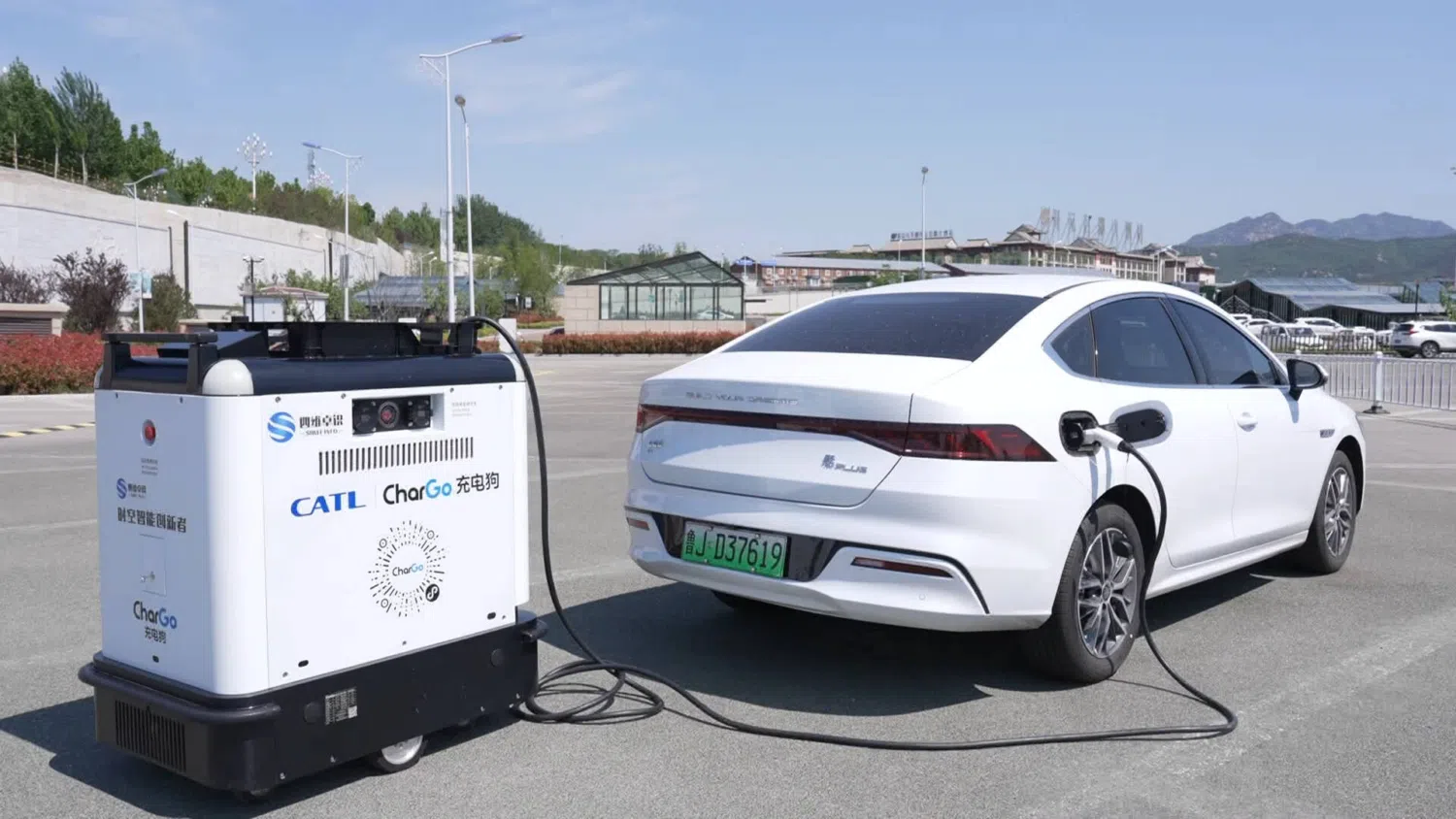
The advance of the electric vehicle fleet often comes up against a logistical bottleneck: the lack of charging infrastructure in old residential areas. In China, a new generation of self-guided mobile robots promises to solve this obstacle, transforming any parking space into an on-demand electric station and dispensing with expensive renovations in the electrical network.
The dynamic is already a reality in the city of Nanning. In a local neighborhood, which concentrates more than 400 battery-powered cars, the paradigm of “vehicle goes to the charger” was inverted. Now, through a cell phone application, residents request a robot to go to the space where the car is parked. The equipment, about 1.5 meters high and with its own 100 kWh battery, completes a fast recharge (from 10% to 100%) in an interval of 40 minutes to an hour.
SEE ALSO:
Developed by the company Eraergy, the technology called “Energy Tank” acts as a “power bank” on wheels. The system combines energy storage, mobile chassis and intelligent control, circumventing the historical difficulty of installing fixed chargers in condominiums that suffer from physical and electrical capacity limitations. The manufacturer also offers models with batteries from 30 kWh to 200 kWh, capable of providing up to 120 kW of power when discharging.
The business model goes beyond residential neighborhoods: Eraergy is already testing the system in hotels — where guests book rooms with a mobile recharge guarantee — and in logistics operations, such as that of the giant SF Express, which optimizes the time loading its vans during the process of loading and unloading goods. The brand’s future goal is to achieve level 4 autonomous driving for robots to operate on their own indoors.
The demand for flexible solutions has also attracted industry heavyweights. CATL, the world’s largest battery maker, already operates its own robot, CharGo. The equipment was deployed on a large scale on Chinese highways during the recent Spring Festival, relieving pressure on fixed charging stations at holiday travel peaks.



