Technology took command of executive aircraft after incapacitating the commander; system chose airport, communicated tower and braked on runway
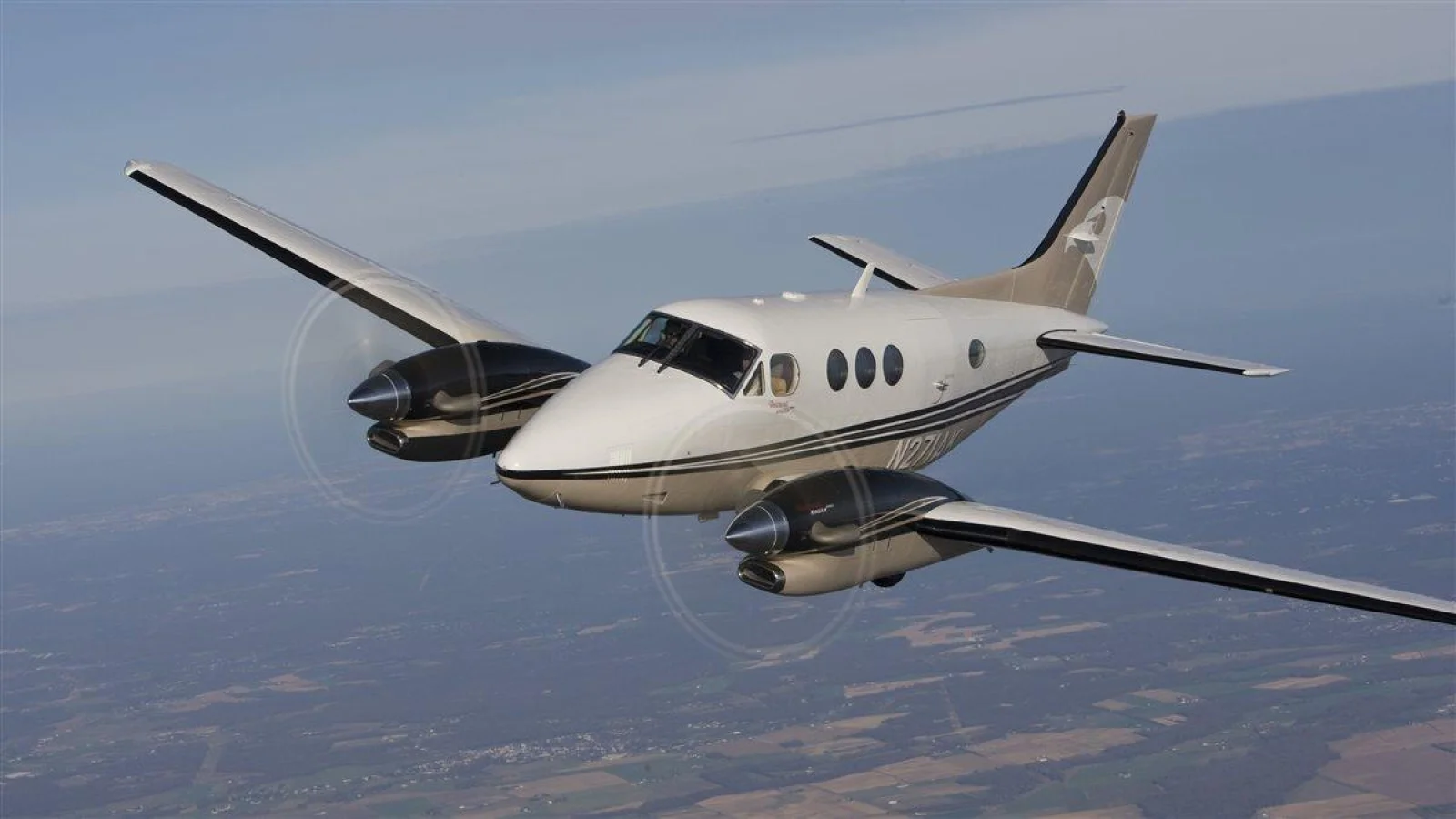
An autonomous piloting system performed, last Saturday (20), an unprecedented feat in civil aviation by executing a complete emergency landing without human intervention. The case occurred in the state of Colorado (USA), when a Beechcraft King Air 200 was controlled by the Garmin Autoland feature after the pilot was incapacitated, marking the first use of the technology in a real crisis situation in this model.
SEE ALSO:
The aircraft had taken off from Aspen bound for Broomfield. About 20 minutes after departure, the pilot suffered a health problem, activating the emergency system. The software immediately took over the physical controls of the aircraft and began flight management.
The system automatically changed the transponder to code 7700 (international emergency) and, through a synthesized voice, communicated the situation on board to air traffic control, informing that the landing would take place in 19 minutes.
Analyzing variables such as fuel range, mountainous terrain and weather conditions in real time, the computer selected the Rocky Mountain metropolitan airport as the safest alternative.
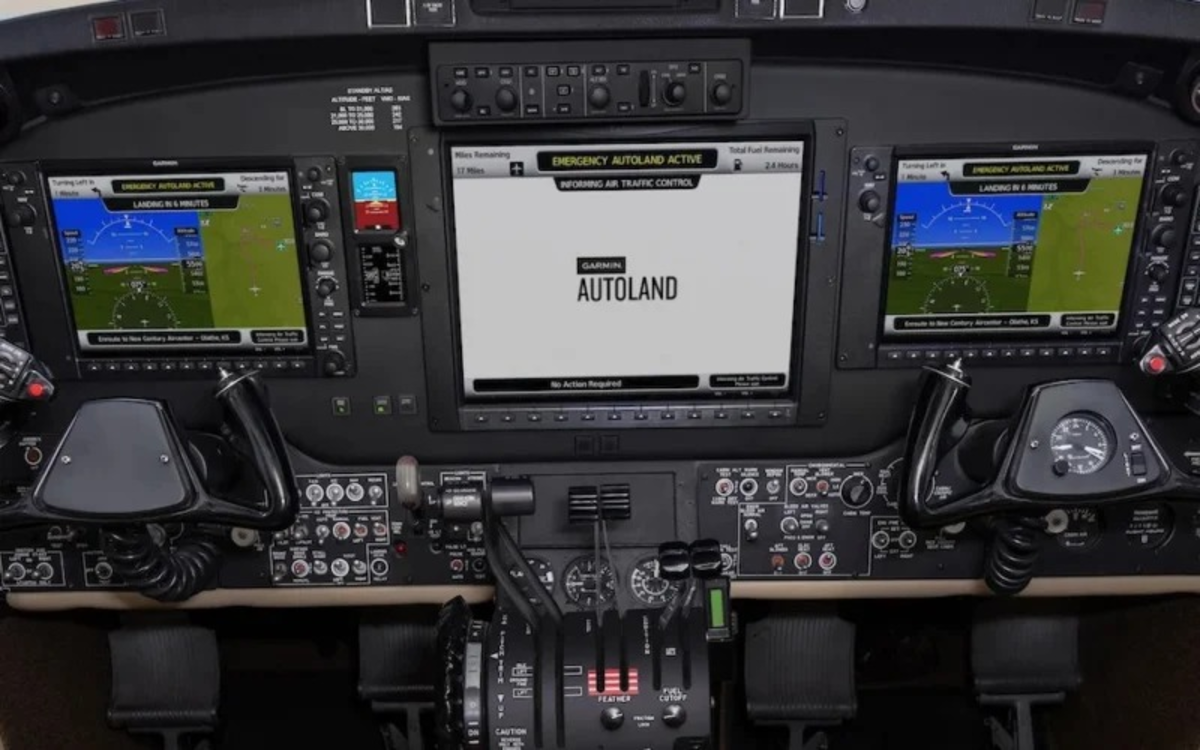
The “digital co-pilot” performed all the complex procedures: controlled the descent, aligned the aircraft with runway 30, reduced power, applied the brakes after touching the ground, and turned off the engines on the taxiway to allow passengers to safely disembark.
Although Autoland already existed in smaller jets, FAA (US aviation agency) certification for the King Air line, via an update to the G1000 NXi avionics, only took place in August 2025. The success of the operation validates the effectiveness of automation in larger turboprops and ends debates about the reliability of the system in critical scenarios. There were no injuries in the incident.



