Boldness in Elon Musk's design creates optical illusion that deceives authorities; Understand the loophole in the law that allowed the creation of indirect lights
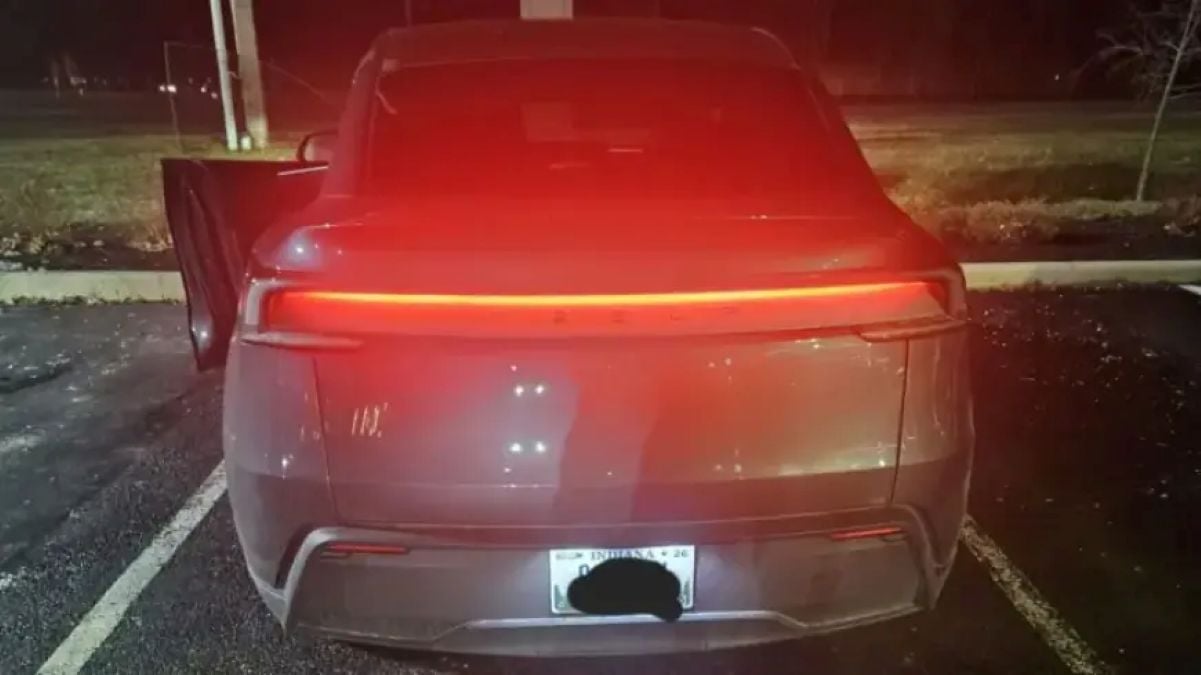
The minimalist design of the restyled version of the Tesla Model Y, dubbed “Juniper” and launched in the United States in 2025, has become a traffic enforcement problem. Although the vehicle meets technical standards, the aesthetic solution adopted for the taillights has confused the authorities, leading to police approaches under the suspicion that the car travels with the lights off.
The most recent case occurred in Indiana, where an owner was stopped by a patrol car. The police officer justified the approach by claiming the absence of night signaling, confusing the original factory system with an illegal modification or electrical defect. The confusion occurs because the Model Y’s taillight bar does not emit light directly to the rear; It projects the lighting against the body itself, working by reflection.
SEE ALSO:
The incident, first reported by the Tesla Oracle blog, exposes a gray area between aesthetic innovation and the clarity needed for road safety. According to the driver, the traffic agent even issued a verbal warning for the “problem” to be corrected.
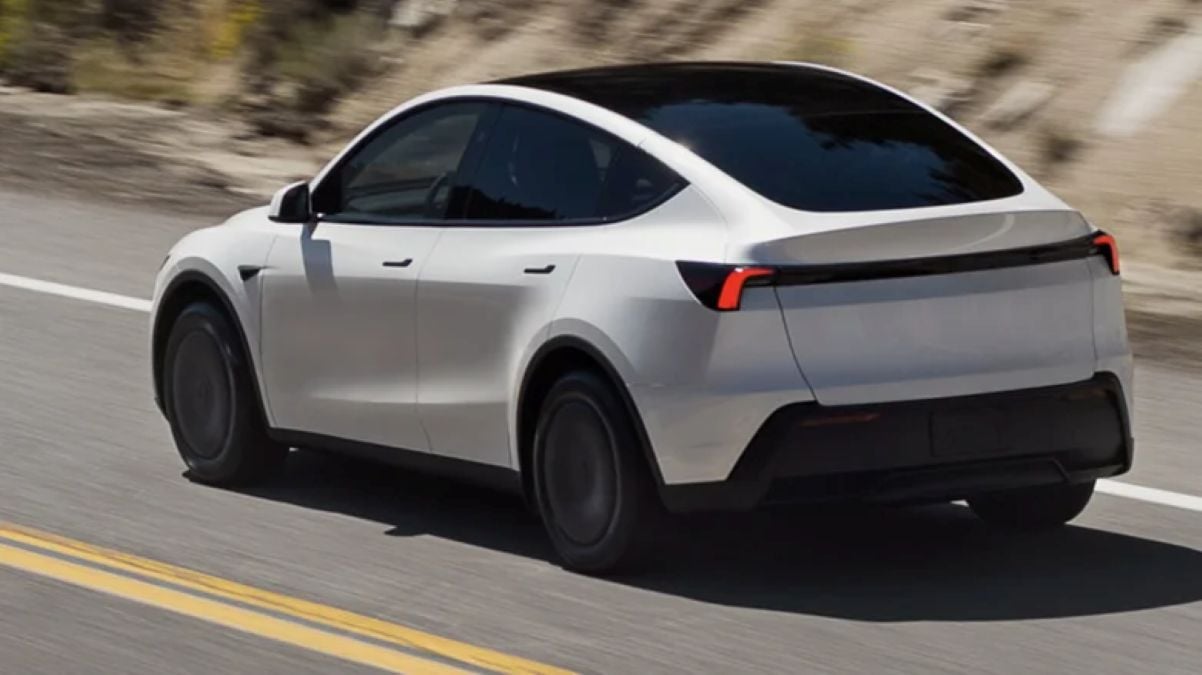
The engineering behind the system was detailed by Lars Moravy, Tesla’s vice president of vehicle engineering, in an appearance on the Jay Leno’s Garage program. The automaker relied on a strict interpretation of the U.S. federal rules (FMVSS). The legislation requires a specific amount of lumens emitted, but does not require the light source to be directly visible, nor does it specify the emitting surface.
To ensure homologation, the Model Y retains traditional “C”-shaped brake lights and turn signals at the ends. The central bar, which causes optical illusion and confusion, acts only as a position light. Critics point out that, although legal, the design fails in the basic principle of communicating the presence of the vehicle unambiguously to other drivers and to enforcement.



