Fear of global crisis changes customer priorities in Europe; Automotive sector already suffers from US tariffs and advance of Chinese brands
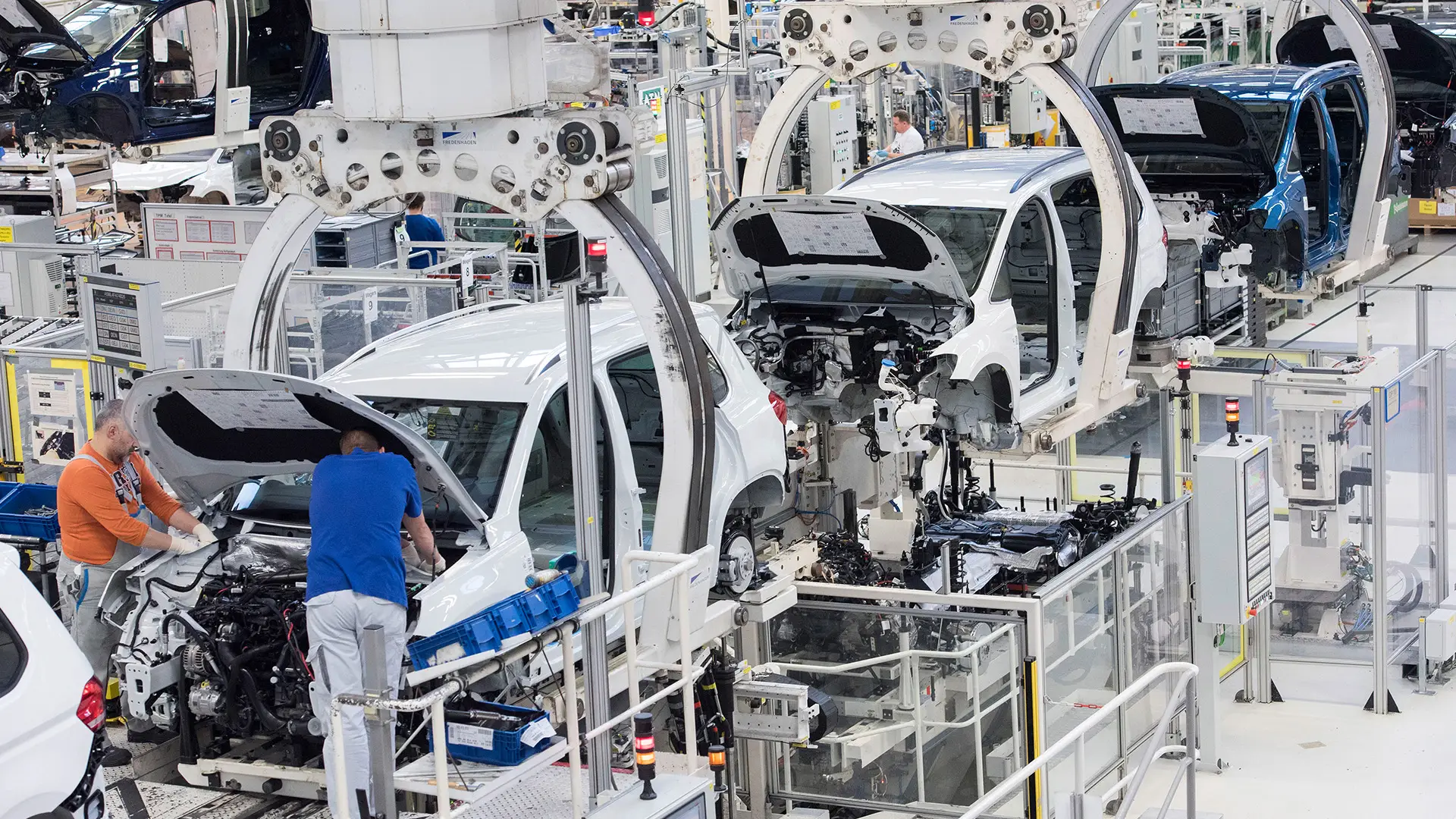
The escalation of the conflict in the Middle East, led by tensions between Israel, Iran and the United States, has lit the red alert in the global automotive industry. The fear of automakers, at this moment, is not only logistical, but behavioral: the fear of a broader economic crisis threatens to drastically curb consumers’ purchase intention.
The diagnosis was made last Thursday (12) by leaders of industry giants, during a meeting organized by the SMMT (Society of Motor Manufacturers and Traders), the main automotive association in the United Kingdom. In the view of the executives, geopolitical instability has started to dictate a new and cautious pace in the concessionaires.
SEE ALSO:
Martin Sander, head of passenger car sales at Volkswagen in the country, pointed out that the international news has generated growing anxiety in the public. Faced with uncertainties, families tend to withhold capital and postpone the acquisition of high-value goods, such as automobiles.
The analysis is endorsed by Nicole Melillo Shaw, managing director of Volvo in the UK. She points out that the climate of insecurity forces households to prioritize strictly essential expenses, adopting a pragmatic stance. “If I don’t need it, I don’t buy it,” summarized the executive about the current customer behavior.
Despite the sharp brake on demand and the freeze on local business in the Middle East, the direct impact on production is still contained. Oliver Zipse, BMW’s chief executive, assured that the German automaker’s supply chains continue to operate normally. Zipse downplayed the panic, comparing the current scenario to the recent global turbulence overcome by the sector, such as the Covid-19 pandemic, the shortage of semiconductors and the European energy crisis.
However, the new conflict adds to a liability of vulnerabilities in the traditional industry. The Western automotive sector was already under hard pressure from the recent import tariffs imposed by Donald Trump and the financial difficulties in the electric transition — factors that, combined with the new crisis, further pave the way for the global hegemony of Chinese brands.



