South Korean giant sold unit for symbolic value and confirms that it will not return to production in the country due to the prolongation of the war in Ukraine
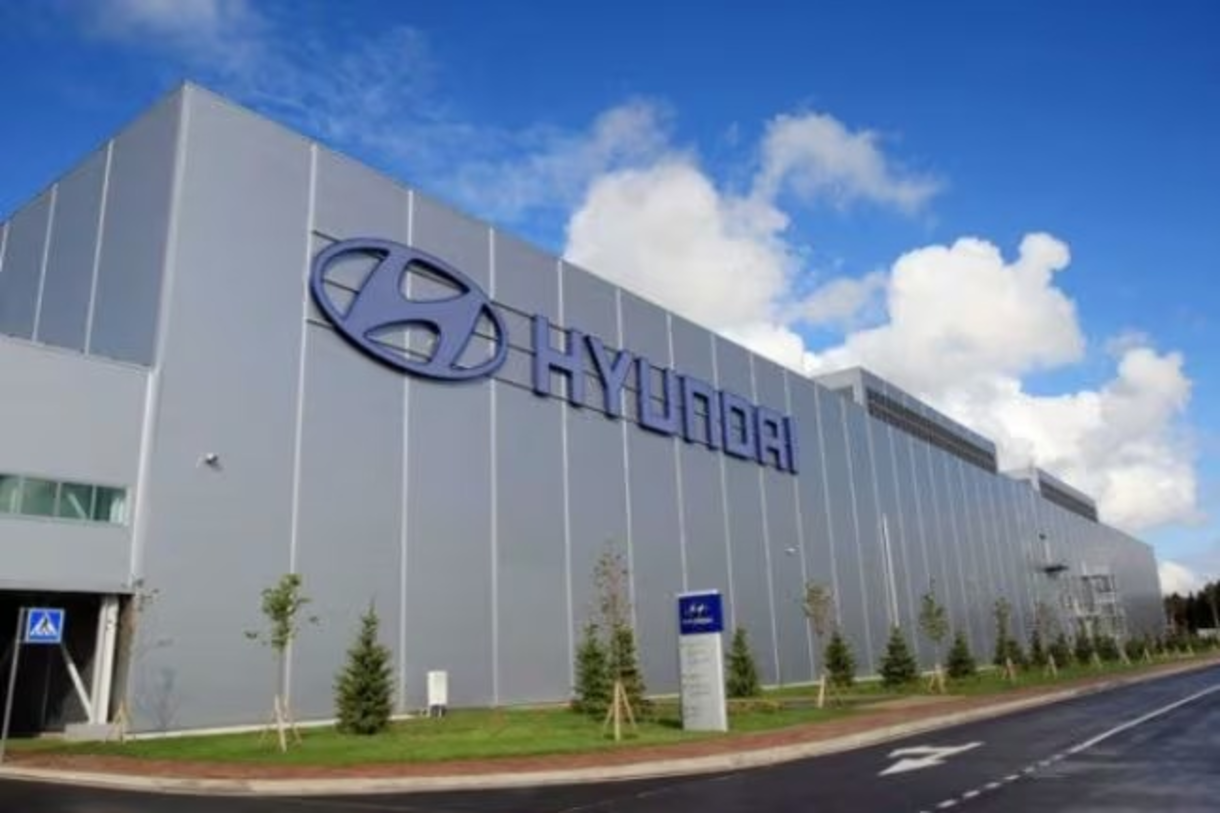
Hyundai sealed its definitive exit from the Russian market on Monday (2). The South Korean automaker confirmed that it did not exercise the option to buy back its plant in St. Petersburg, whose contractual term officially expired in January, transferring full ownership of the asset to local group AGR Automotive.
The factory had been sold in a hurry, for the equivalent of R$ 500, shortly after the invasion of Ukraine — when sanctions imposed on Russia caused a stampede of international brands from the country. The decision now reflects the prolongation of the war between the neighbors and the tightening of economic sanctions, which have made it impossible to maintain supply chains and financial flows. The unit had been negotiated in 2024 in an agreement that provided for a two-year window for a possible return — a clause that the company chose to let expire.
SEE ALSO:
The move marks a historic turning point in the local automotive sector. Before the outbreak of the conflict in Eastern Europe, Hyundai and its affiliate Kia held the lead among foreign manufacturers in Russia, operating with robust production and sales volumes. With the suspension of activities of Western and Asian brands allied with the US, the supply vacuum was quickly filled by the industry in China.
Over the past four years, Chinese automakers have capitalized on the absence of global competitors to take majority control of the Russian market. The former Hyundai plant, now under full management of AGR, should continue to focus on assembling vehicles from partner brands or rebranding models, consolidating the new economic geography of the region.
Despite the end of the industrial cycle, Hyundai announced that it will maintain responsibility for the circulating fleet. The company reiterated its commitment to providing spare parts, warranty repairs and customer service to customers who already have the brand’s vehicles in the country. The strategy aims to preserve the company’s reputation and avoid legal liabilities, while the automaker reallocates its investments to markets with greater predictability and legal certainty outside the conflict zone.



