Closure of the Strait of Hormuz boosts demand for battery-powered models; in Thailand, sales quadrupled after gasoline price adjustment
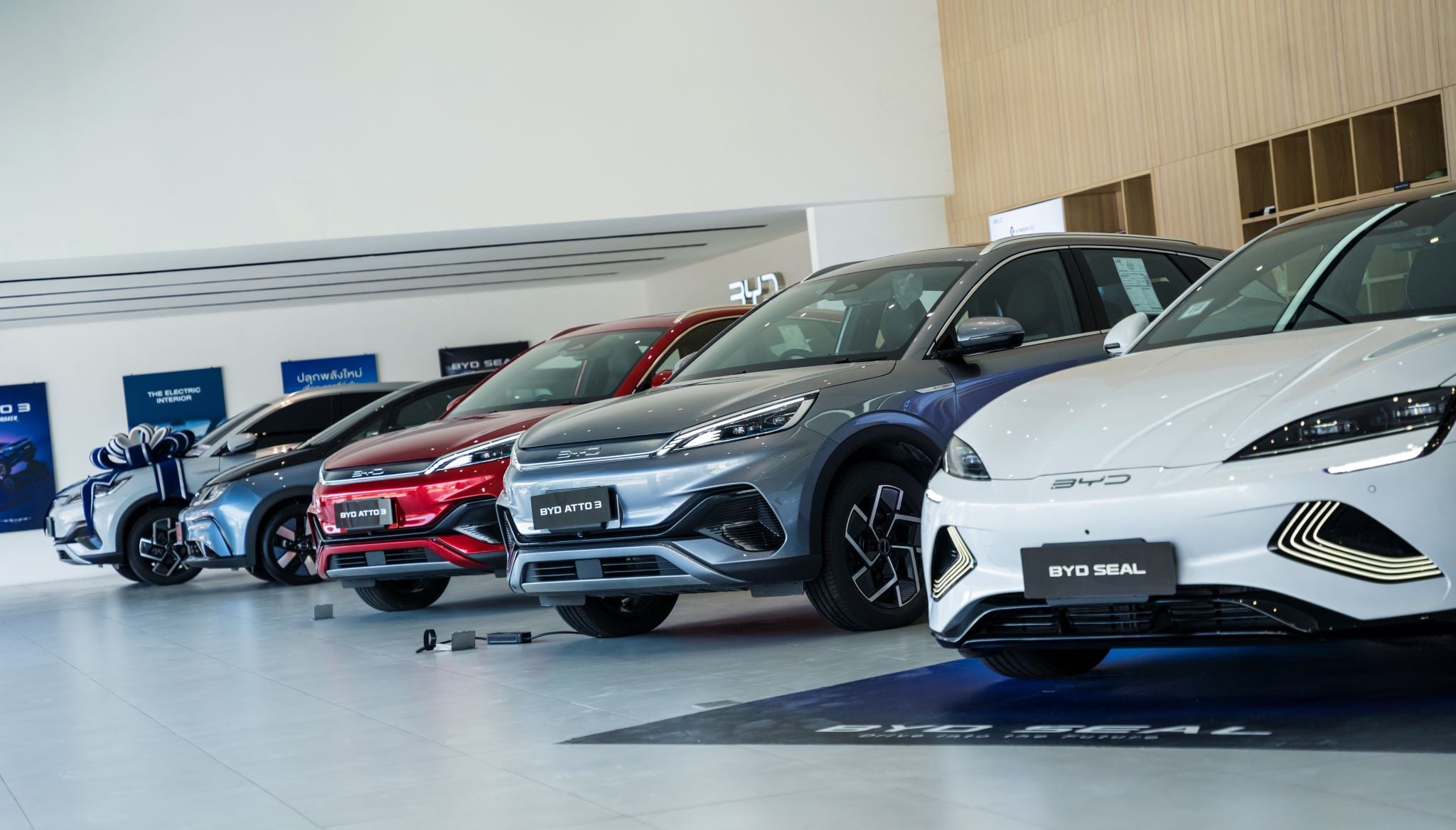
The closure of the Strait of Hormuz and the consequent escalation in oil prices caused an immediate side effect on the automotive market: an unprecedented rush for electric vehicles. The fossil fuel supply shock, driven by the conflict involving Iran, has turned the green transition into an economic survival strategy for drivers around the world.
Asian manufacturers, such as China’s BYD and Vietnam’s VinFast, emerge as the main beneficiaries of this paradigm shift. In the Philippines, according to Bloomberg, BYD dealerships in Manila registered, in just two weeks, a volume of orders equivalent to a full month of normal operation. The phenomenon is even more acute in Vietnam, where visits to VinFast stores have quadrupled, resulting in the sale of 250 electric models in three weeks — double the monthly average in 2025.
SEE ALSO:
The correlation between the price at the pump and the interest in electrified vehicles was clear in Thailand and New Zealand. On a single Saturday, shortly after a 20% increase in the price of gasoline, sales of electric vehicles quadrupled compared to the historical average. In the face of the crisis, local governments also accelerated incentive policies. In Laos, registration fees for EVs have been reduced by 30%, while taxes for combustion models have risen by the same amount.
While traditional Western automakers such as Ford and GM pull back on their electrification plans due to political uncertainties in the US, China consolidates its global hegemony. With a long-term strategy focused on exporting low-cost technology, Chinese manufacturers doubled their shipments abroad in the first months of 2026. The challenge now lies in infrastructure: the dizzying growth of the fleet requires heavy and immediate investments in charging networks to avoid a collapse in the regional mobility system.



