Simulator tests reveal that the brain does not cope well with simultaneous touch screens and driving; industry seeks AI solutions
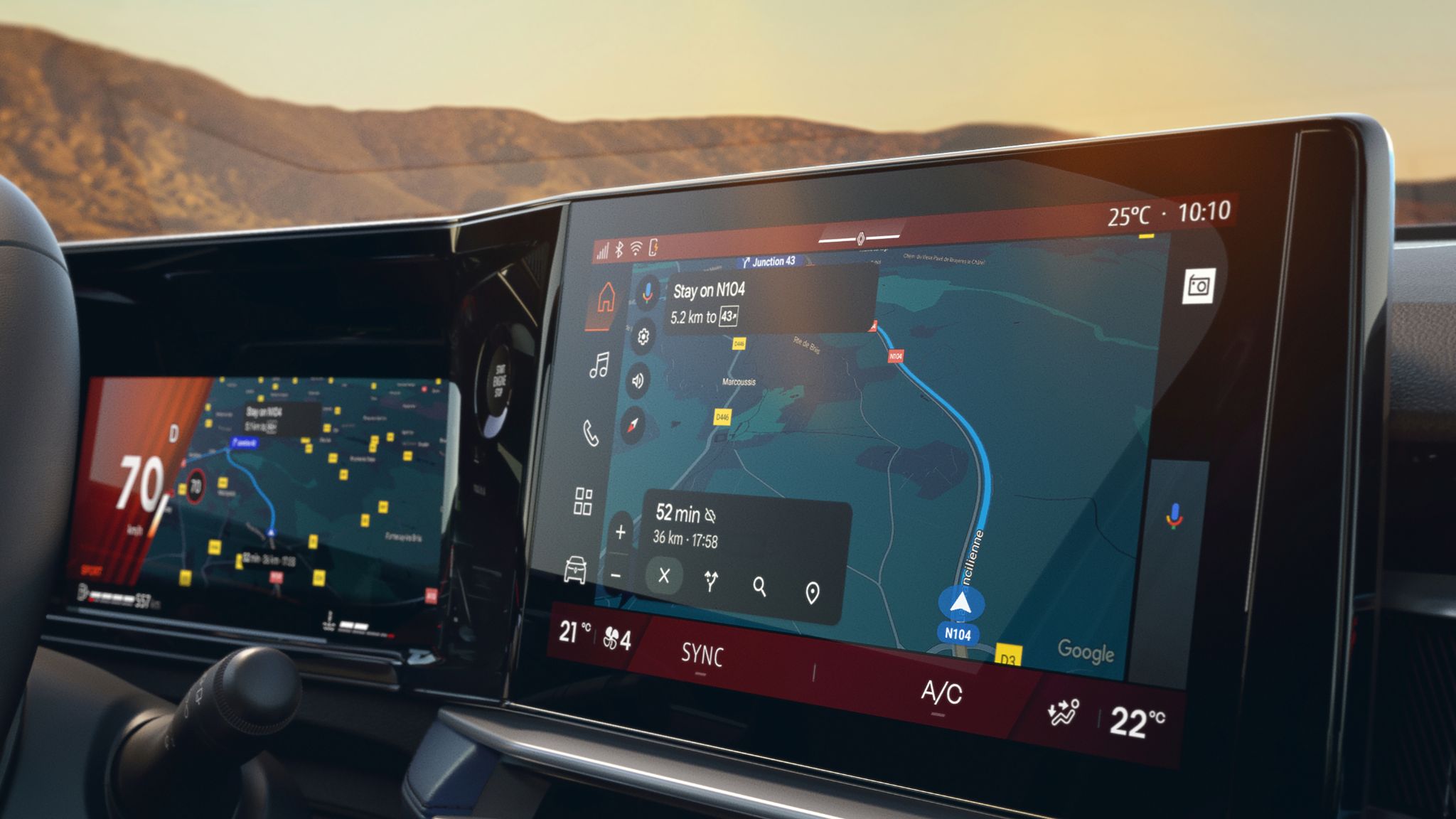
The massification of touch screens has radically transformed the interior of automobiles, replacing the tactile feedback of physical buttons with digital menus for essential functions, such as climate control and audio.
However, this modernization takes a toll on road safety. A study conducted by the University of Washington (UW), in partnership with the Toyota Research Institute, points out that the problem goes beyond taking your eyes off the road: technology generates a cognitive overload that compromises the stability of the vehicle.
Recently published, the research focused on multitasking and distraction, looking at how the brain manages driving while operating complex interfaces.
SEE ALSO:
To measure the actual impact, the researchers used a high-fidelity driving simulator equipped with a 12-inch screen. Participants were subjected to the “N-back task”, a psychological test that requires memory and continuous reasoning, simulating divided attention.
Advanced sensors monitored pupil dilation, focal point of gaze, and finger accuracy. The results drew a worrying scenario:
“Touchscreens are ubiquitous today, so it’s critical to understand how interacting with them affects a driver’s processing power,” said Jacob O. Wobbrock, a professor at the UW School of Information and a co-author of the study.
The researchers’ conclusion does not suggest the end of screens, but a change in approach. The study proposes the use of “affective computing” and Artificial Intelligence to create adaptive interfaces. The idea is that the car uses sensors on the steering wheel and eye tracking to identify when the driver is overloaded.
At these critical moments, the system could automatically simplify the interface by blocking non-essential notifications or increasing the size of virtual buttons. The challenge for the industry now is to balance digital sophistication with cognitive ergonomics, ensuring that technology assists, not competes for the driver’s attention.



