Chinese automaker injects billions to build a complete industrial hub, promising hybrid models in the range of R$ 150 thousand
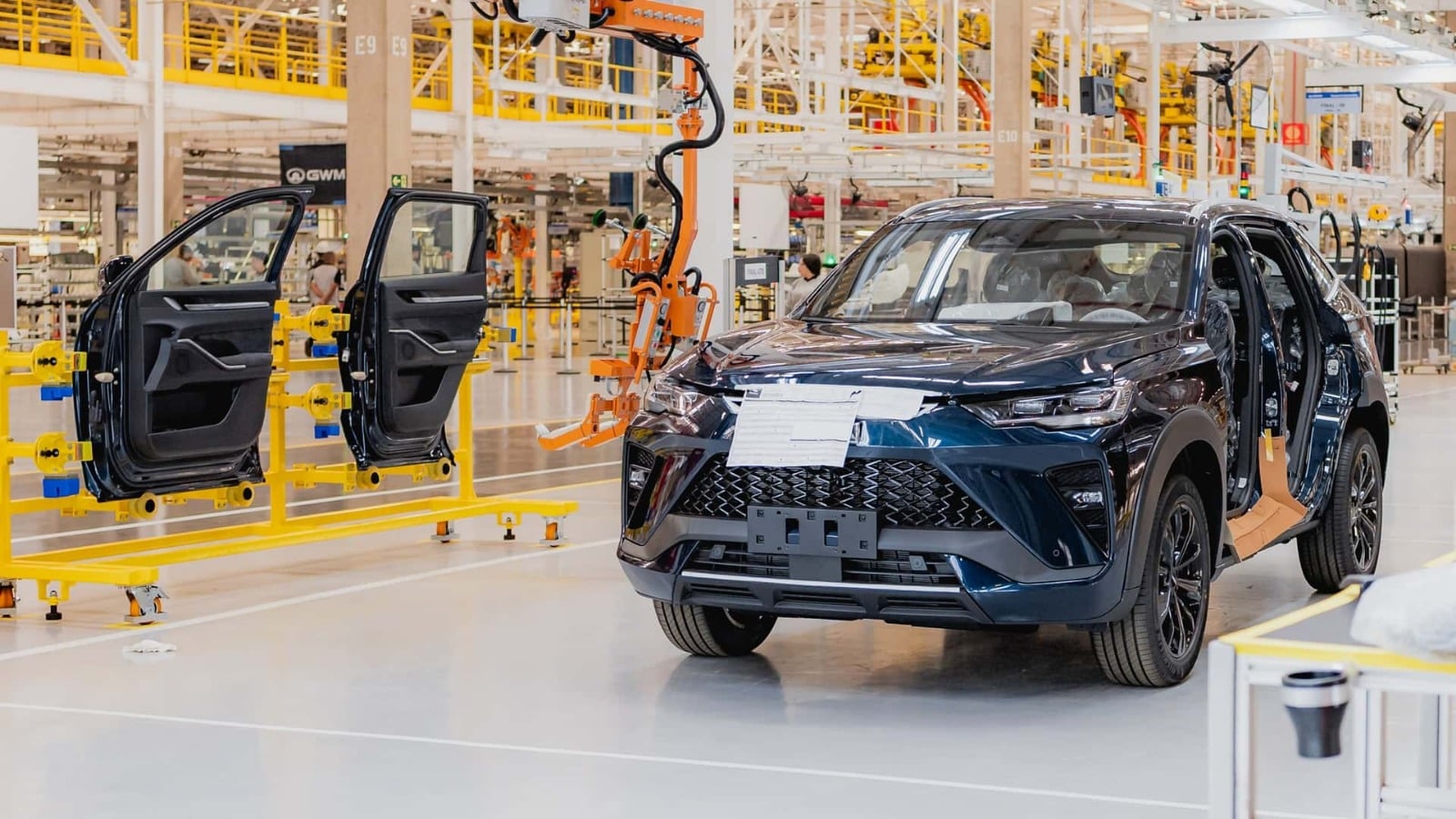
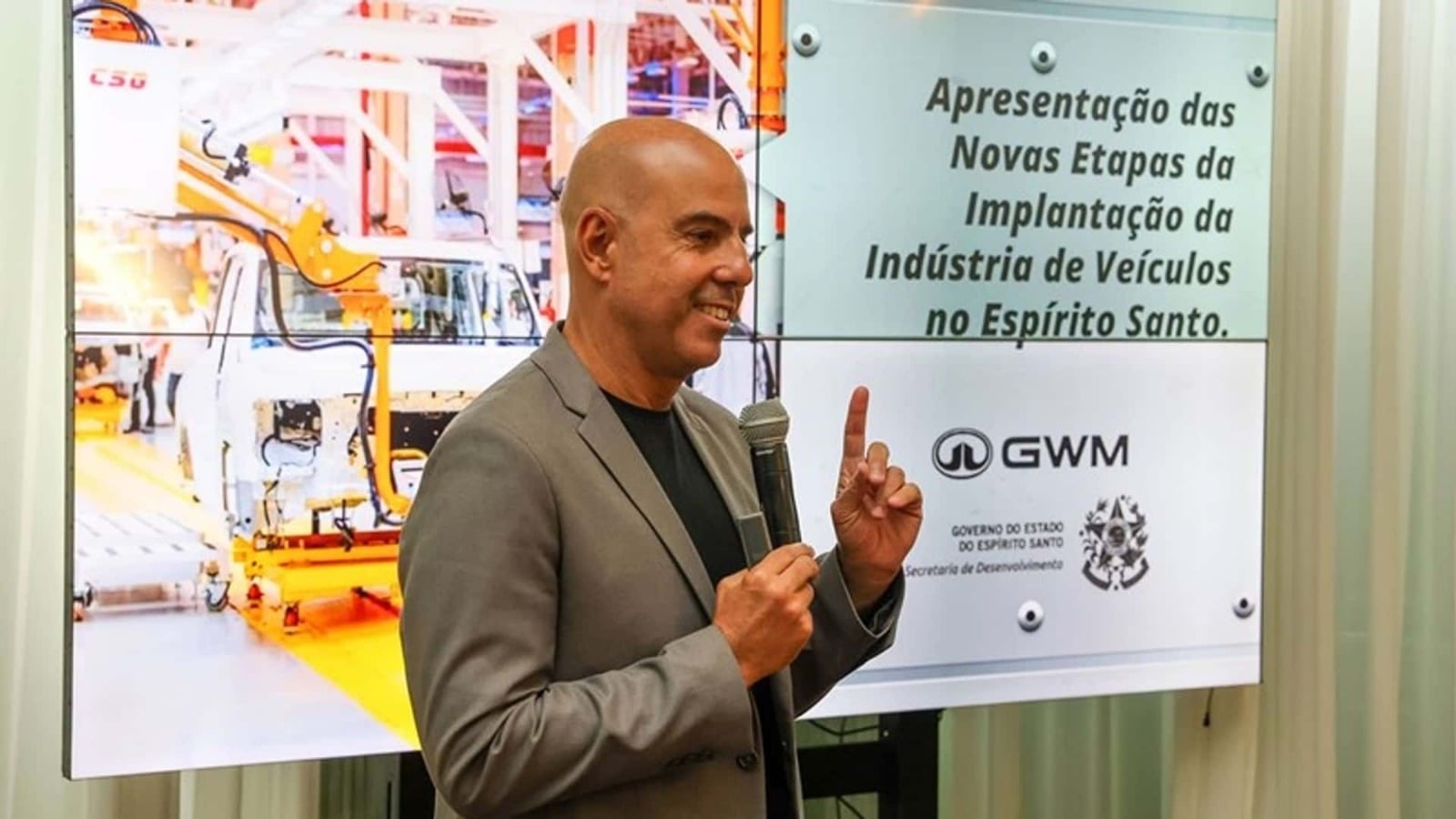
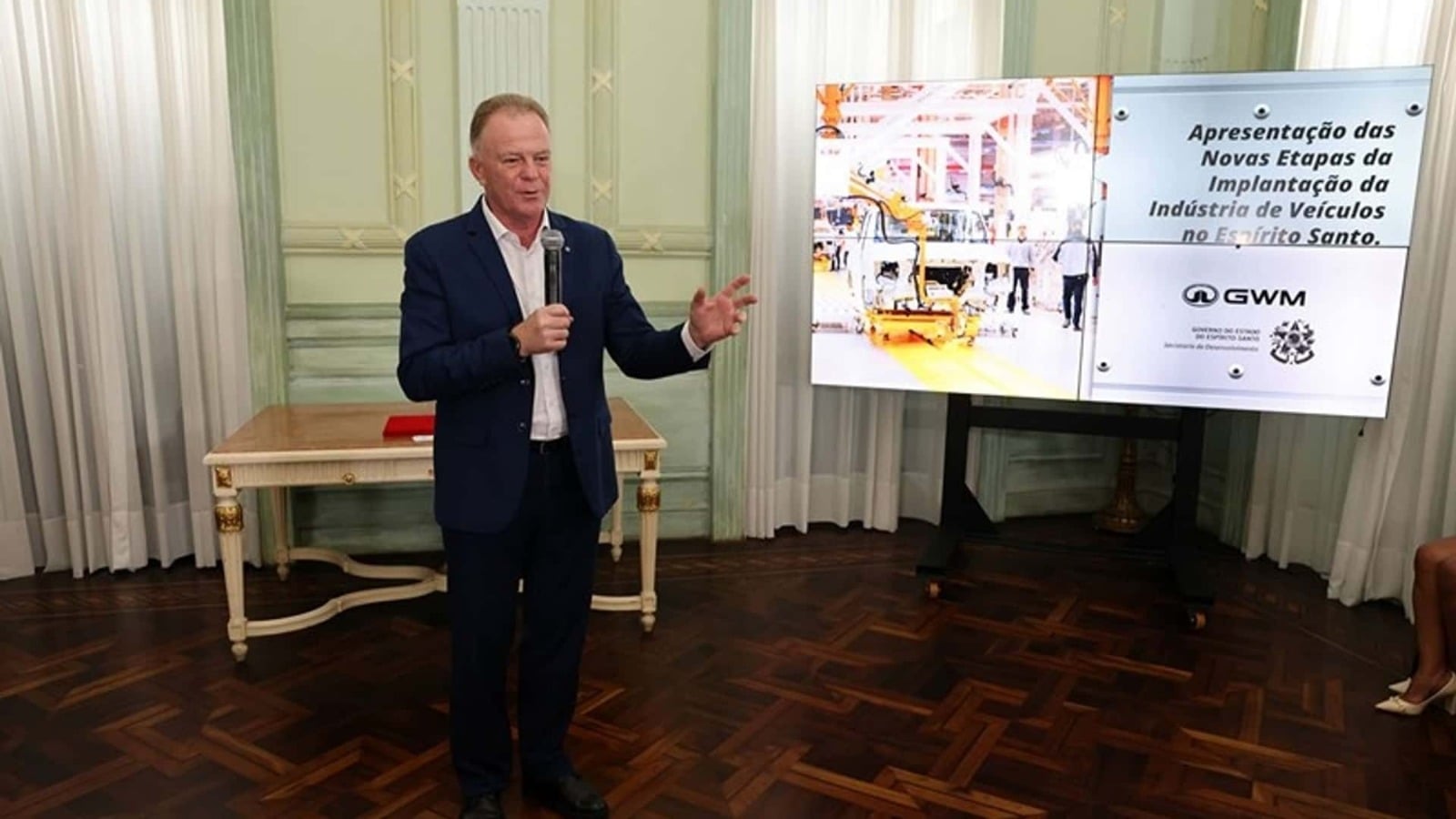
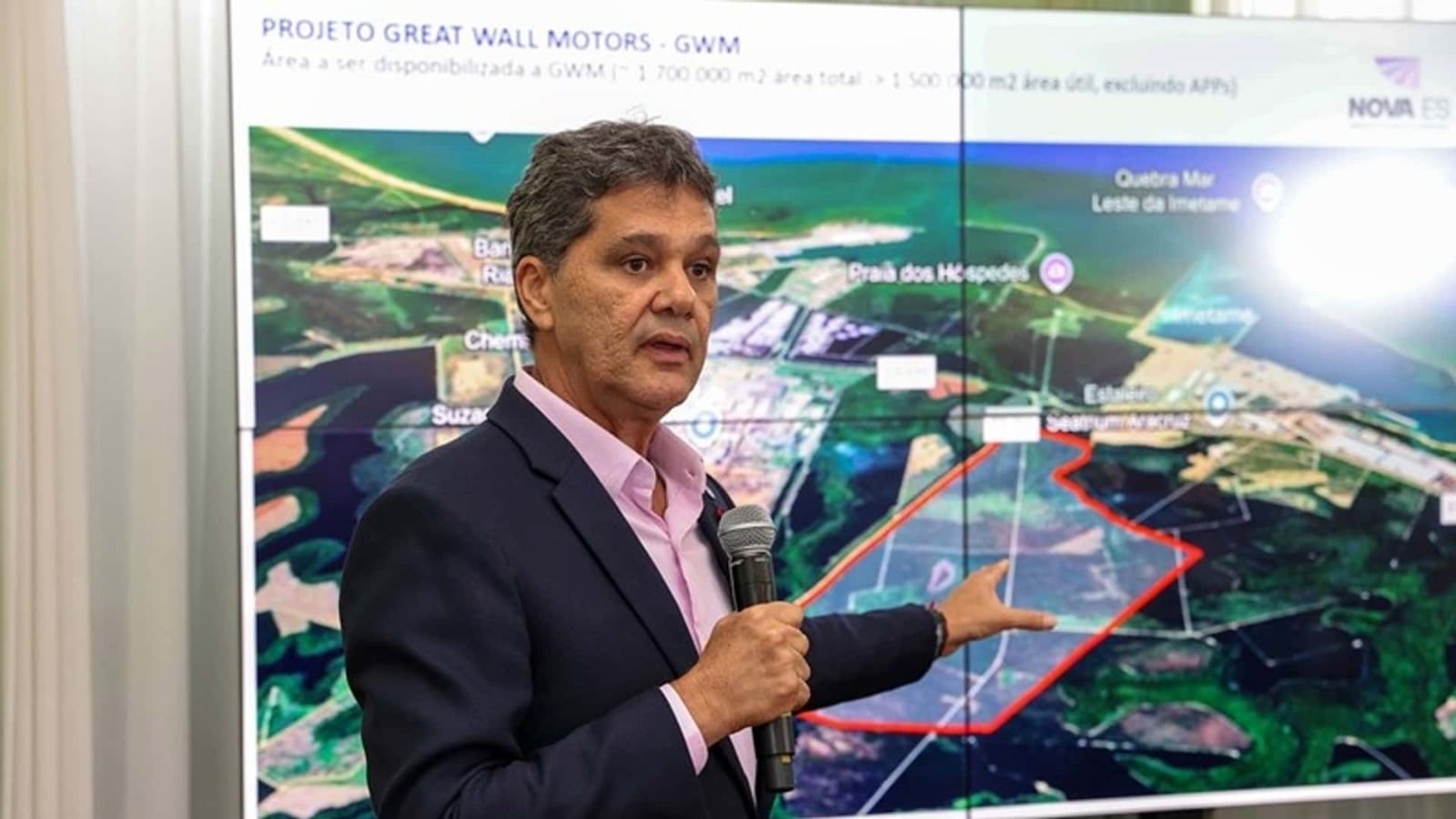
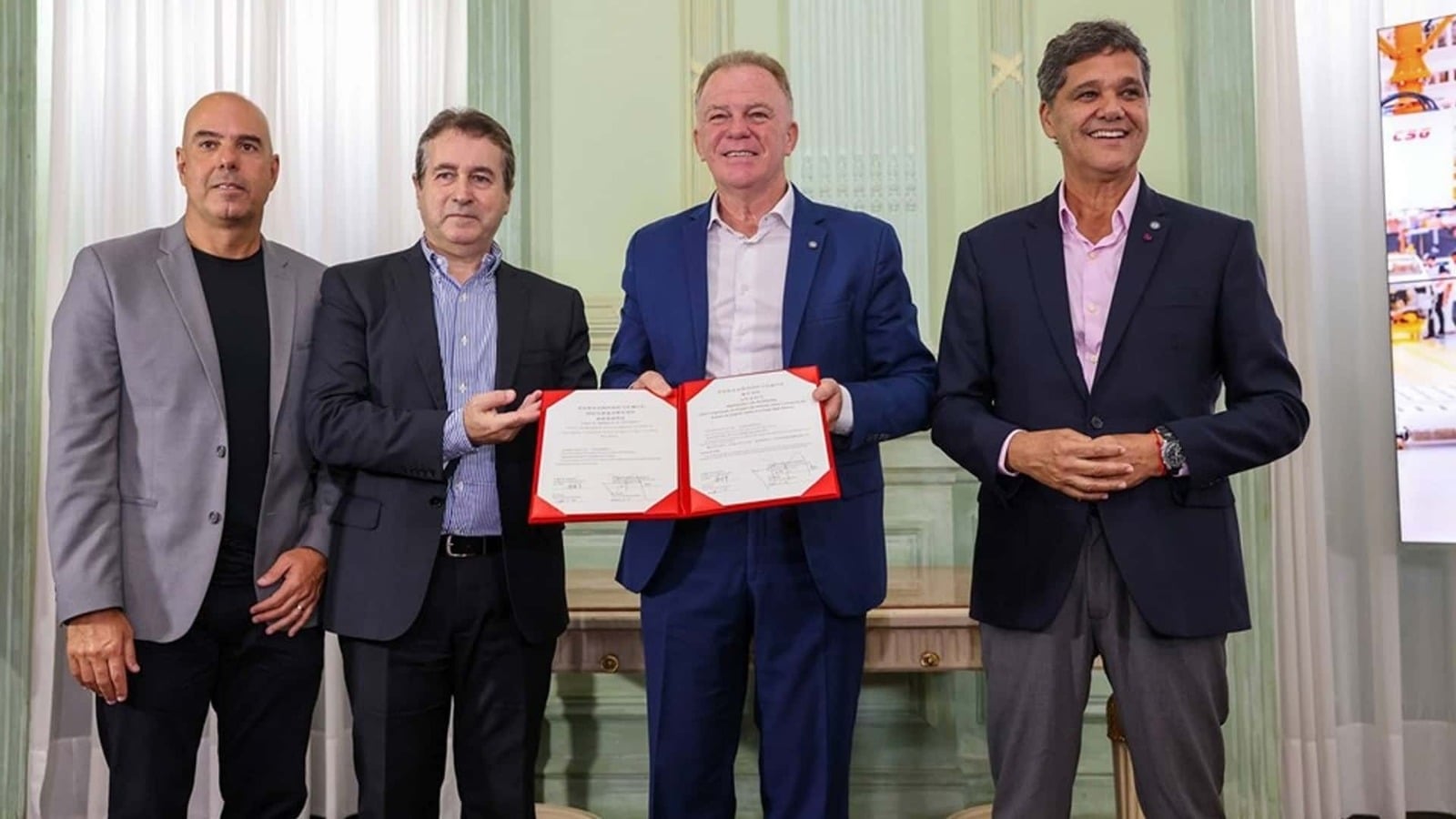
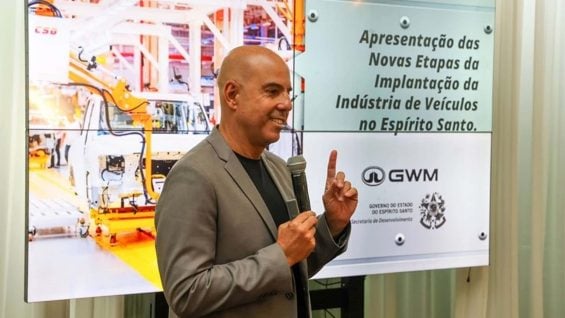
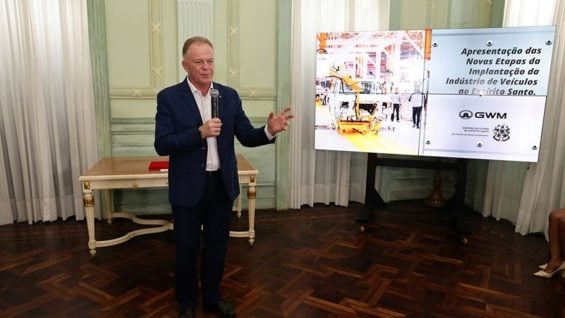
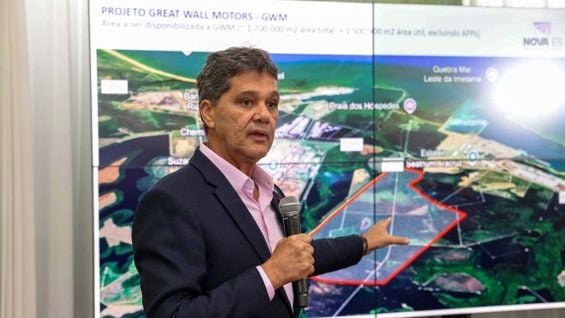
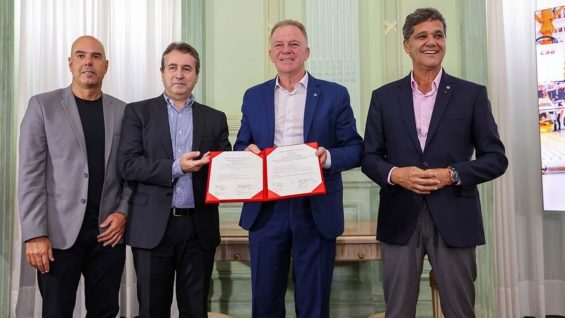
GWM has confirmed the installation of its second car plant in Brazil, located in the municipality of Aracruz, Espírito Santo. The new industrial complex will boast a production capacity of up to 200 thousand vehicles per year – a substantial jump that represents four times the volume of the Iracemápolis (SP) unit, inaugurated in 2025. The initiative is part of a robust investment package of R$ 10 billion planned until 2032, of which R$ 4 billion have already been injected in this initial stage.
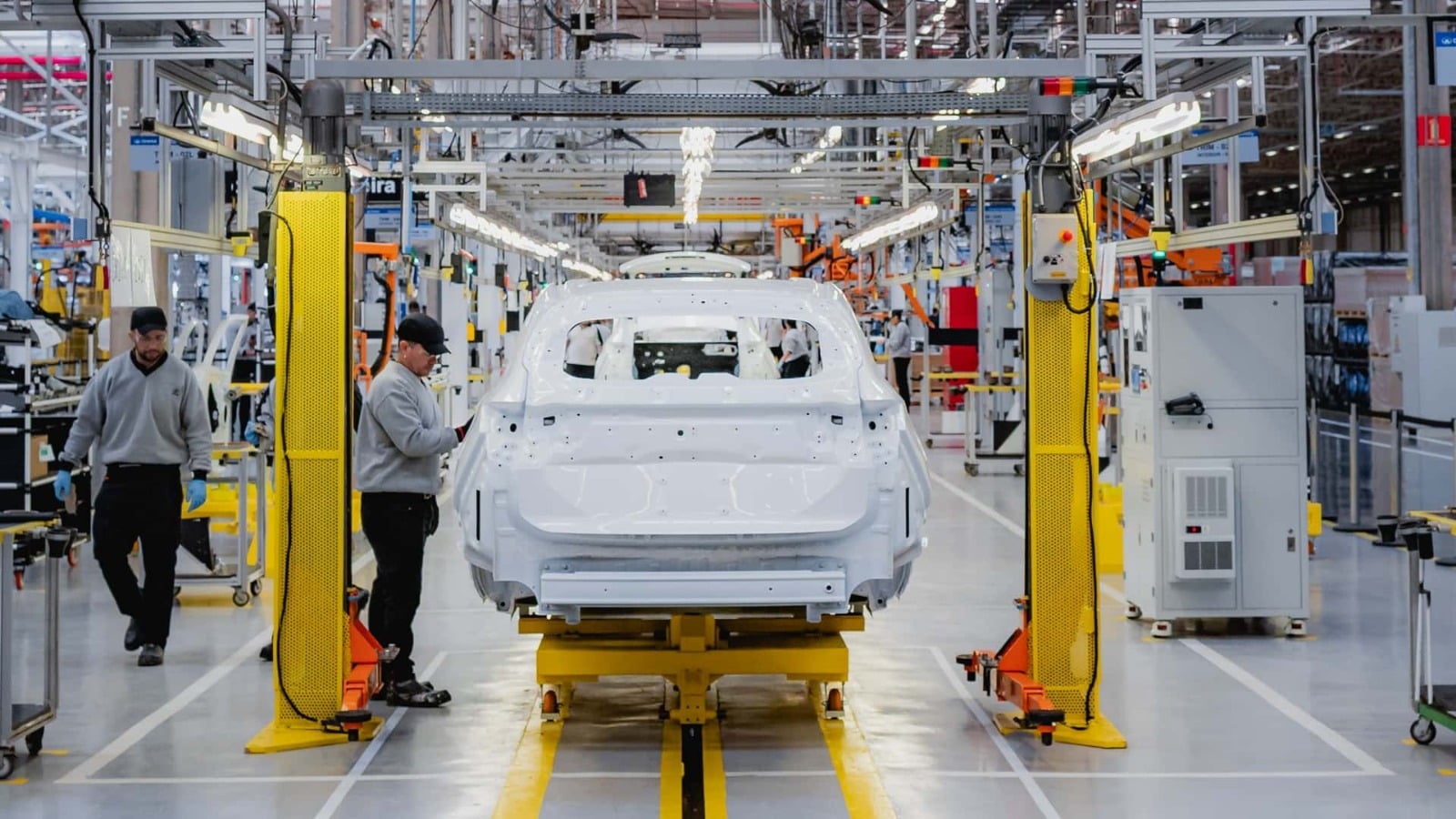
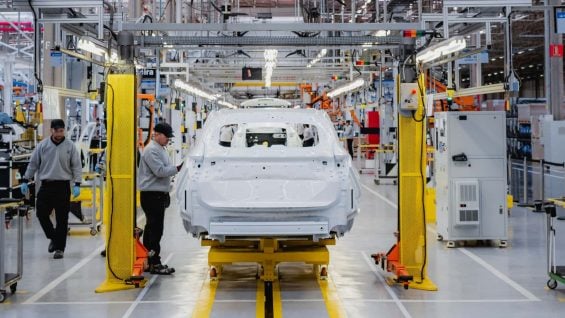
The Espírito Santo plant will operate as a complete complex, incorporating stamping, welding, painting, final assembly and testing. In the socioeconomic sphere, the official projection points to the creation of about 3 thousand direct jobs and up to 10 thousand indirect jobs, strongly boosting the region’s economy.
SEE ALSO:
The choice for Aracruz obeys logistical criteria. The proximity to large ports and easy access to the rail network will allow GWM to transform Brazil into an export hub for all of Latin America. In parallel, the project seeks to progressively increase the nationalization of components. This strategy mitigates exposure to currency fluctuations, strengthens the supply chain, and ensures the attraction of new technology suppliers.
The unprecedented manufacturing scale will also unlock the brand’s offensive in more affordable niches of the market, especially in the price range around R$ 150 thousand. To fill this gap, GWM is preparing an SUV positioned below the successful Haval H6. Baptized, behind the scenes, Haval H4 – a model that should derive from the Haval Jolion sold abroad – the utility will be accompanied by an unprecedented compact pickup.
The great asset of these future products will be the adoption of flex hybrid engines, a fundamental technology for the Brazilian energy transition guidelines. By consolidating a production capacity of 250 thousand cars per year adding its two factories in the country, GWM attests that the national market has definitively assumed a strategic role in its global expansion.



