Increase above the current 30% is cautiously tested by the Ministry; Currently, the idea is to check for possible compromise in the engines
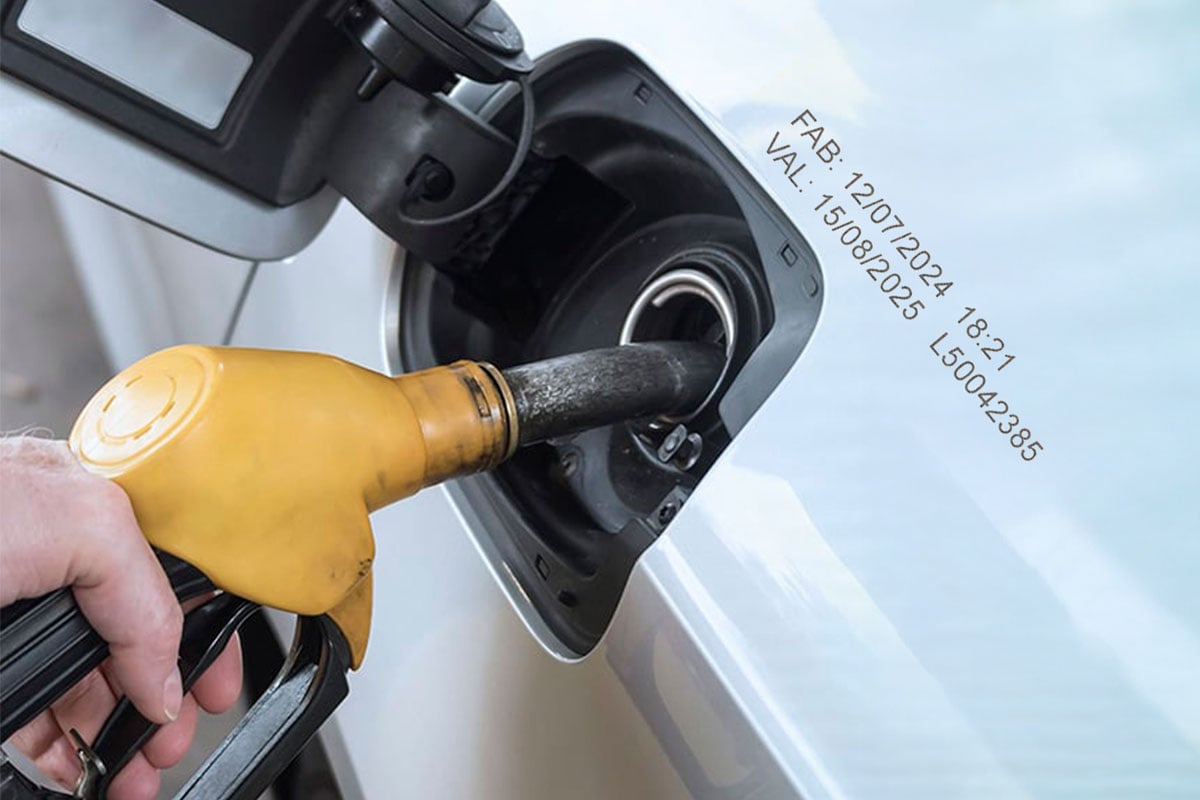
The federal government, through the Ministry of Mines and Energy (MME), has started technical studies to raise the mandatory blend of anhydrous ethanol in gasoline from the current 30% (E30) to up to 35% (E35). The measure, advanced by CNN, is supported by the guidelines of the Fuel of the Future Law and seeks to consolidate the use of renewable sources in the transport matrix, aiming at the decarbonization of the national fleet.
The implementation of the new mixture, however, will not be immediate. The schedule depends on proof of technical feasibility before the National Energy Policy Council (CNPE). Laboratory tests and field tests are being structured to evaluate the behavior of cars and motorcycles under the new composition, ranging from old carbureted models to modern vehicles equipped with direct injection.
SEE ALSO:
The studies coordinated by the government seek to identify possible variations in fuel consumption, performance and durability of seals and metal components exposed to a higher concentration of alcohol. The methodology applied follows the rigorous standards used during the transition to E30, ensuring that the increased blend does not compromise the life of the thrusters.
Industry experts point out that the measure is favored by the profile of the Brazilian fleet, where more than 80% of light vehicles have flex technology. In addition to the environmental benefit, raising the ethanol content can contribute to increasing the octane rating of gasoline and improving thermal performance in high-compression engines. The strategy reinforces the role of ethanol as a low-cost alternative for mitigating greenhouse gas emissions.



