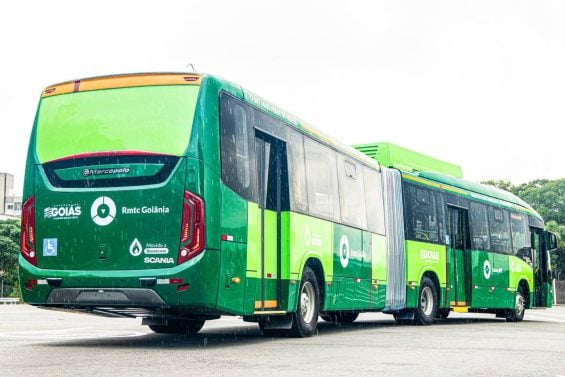
Articulated buses powered by biomethane have their own plant and exclusive gas pipeline to ensure supply of public transport in the state
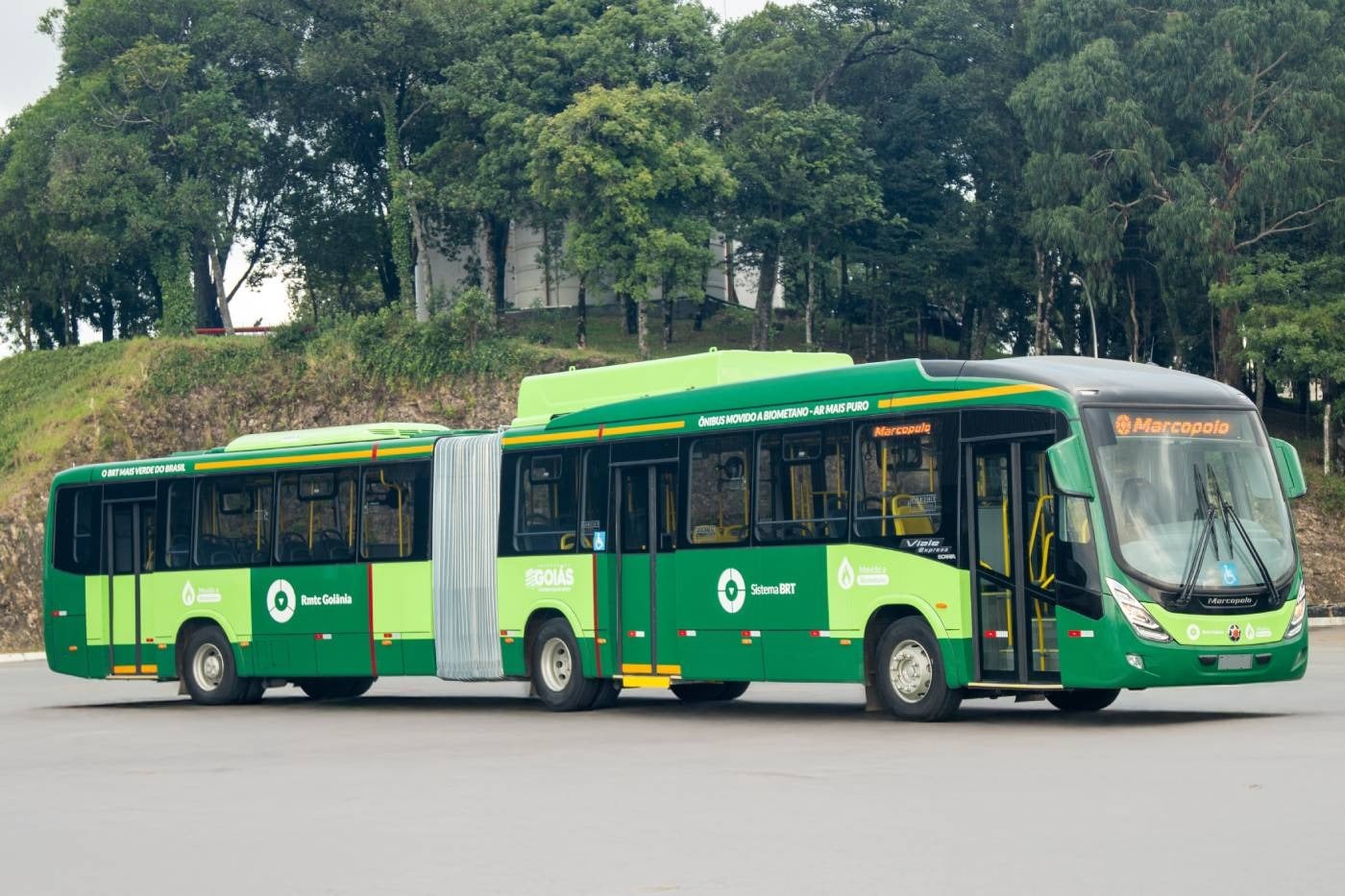
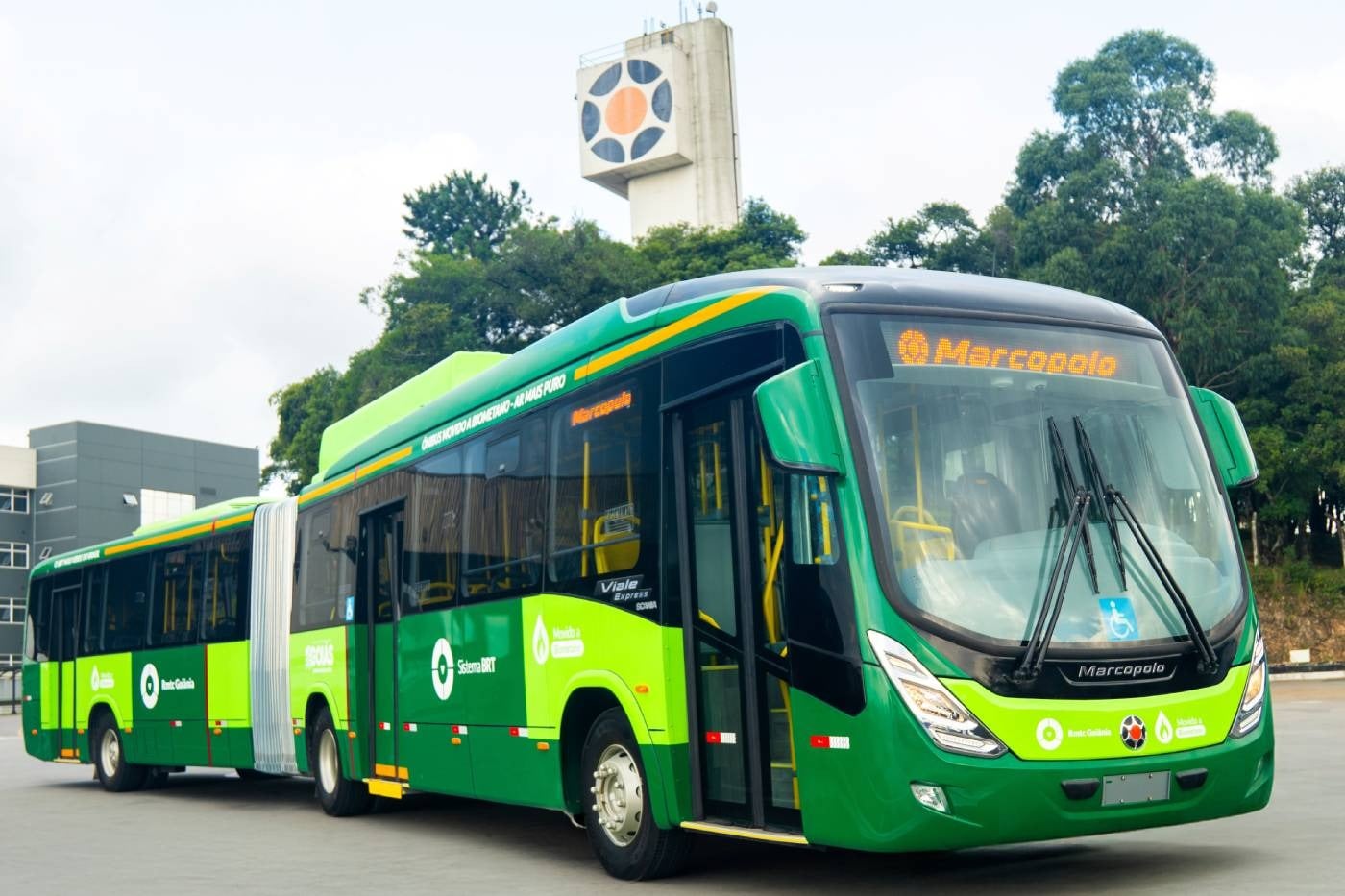
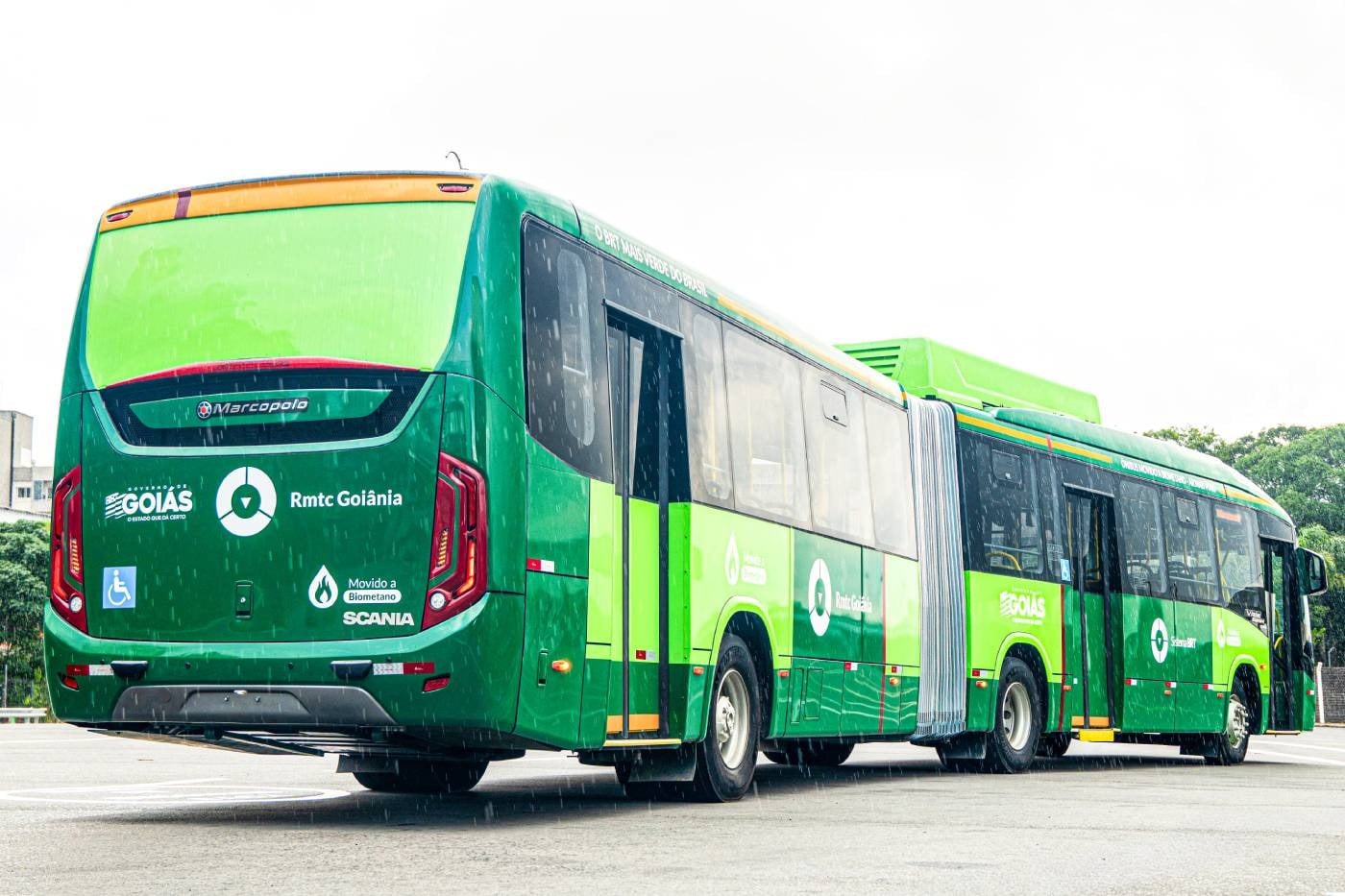
The city of Goiânia (GO) became, this Friday (27), the first in the country to incorporate a fleet of articulated buses powered by gas and biomethane to its public transport system. The initial eight units, the result of a partnership between Marcopolo and Scania, will operate in the so-called Anhanguera Axis of the capital of Goiás. The delivery marks the beginning of a deep restructuring in the city’s New Metropolitan Network of Collective Transport (RMTC), which foresees a total investment of R$ 2.5 billion for the insertion of 501 sustainable vehicles by the year 2027.
SEE ALSO:
The models, from the Marcopolo Viale Express line, use the 340 hp Scania K 340C chassis. The main technological differential lies in the fuel storage system: carbon fiber cylinders installed on the roof of the vehicles. This solution, 70% lighter than conventional steel cylinders, allows the 19.22-metre-long articulated cylinders to maintain a range of more than 400 kilometres, while maintaining the capacity to transport up to 145 passengers per trip.
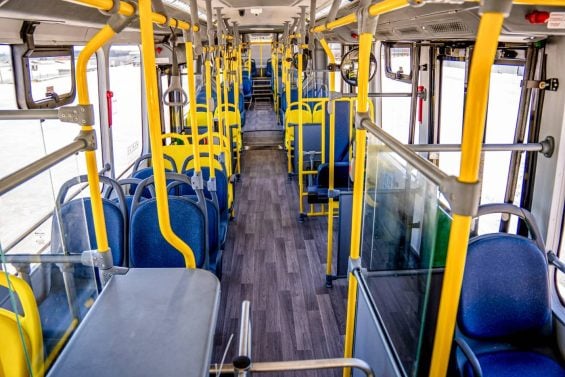
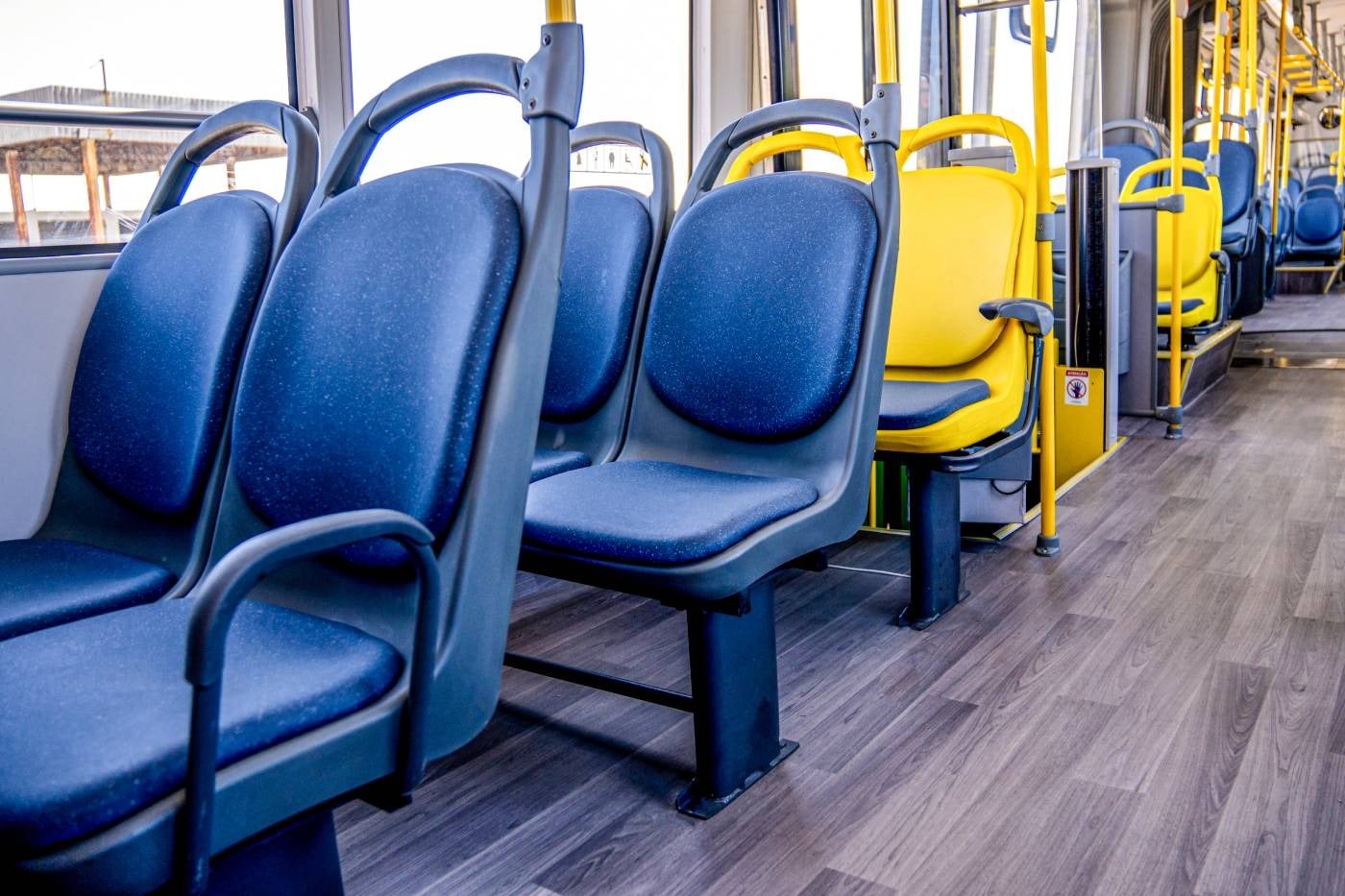
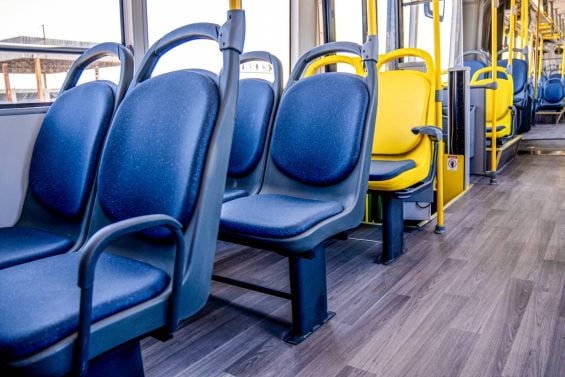
To enable continuous operation, the project includes the creation of the first biomethane plant in Guapó (GO) and the implementation of the first gas pipeline in the state dedicated to public transport. Inside, the buses follow a high standard of comfort, with upholstered seats, air conditioning, USB ports and wooden floors. Security is monitored by a system of integrated cameras, while the financial feasibility of the energy transition was structured via Scania Banco.