With up to 301 km of autonomy and new design, Chinese microcar tries to maintain global leadership with aggressive prices
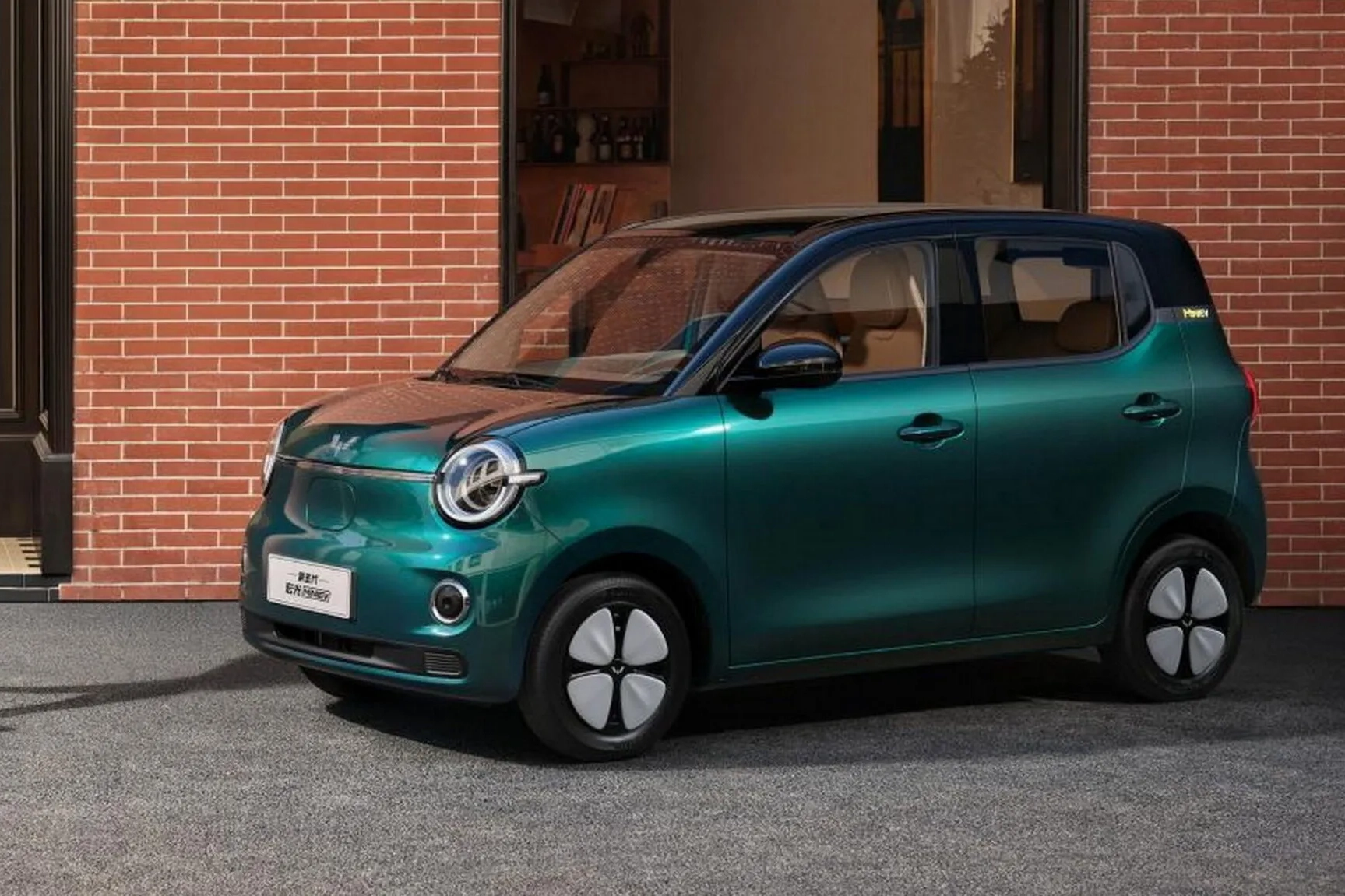
The Wuling Hongguang Mini EV, a sales phenomenon that ushered in the electric microcar craze in China, reaches its fifth generation. Produced by the SAIC-GM-Wuling joint venture, the model has accumulated 1.9 million units sold since 2020 and is now betting on greater versatility to maintain leadership.
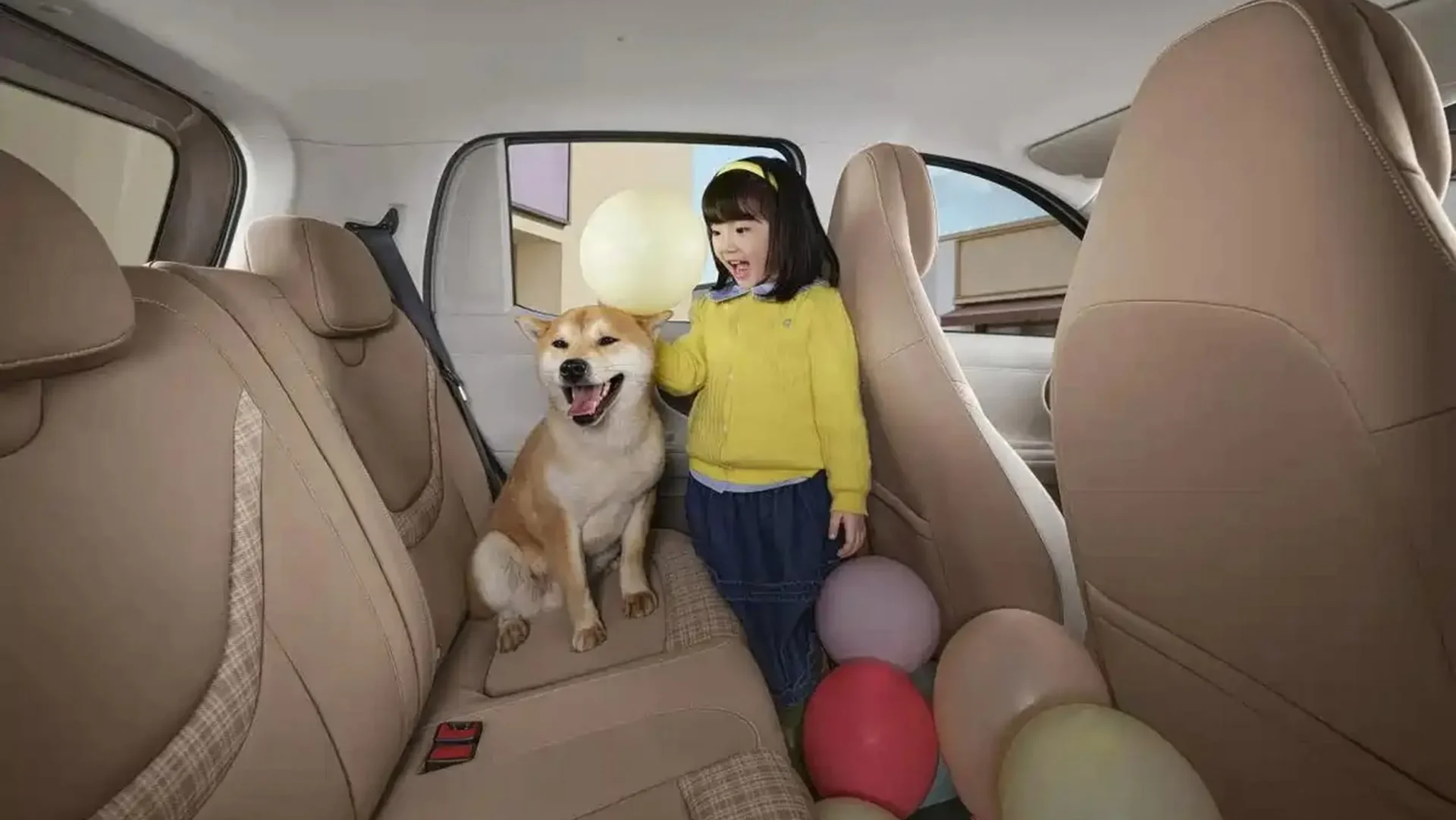
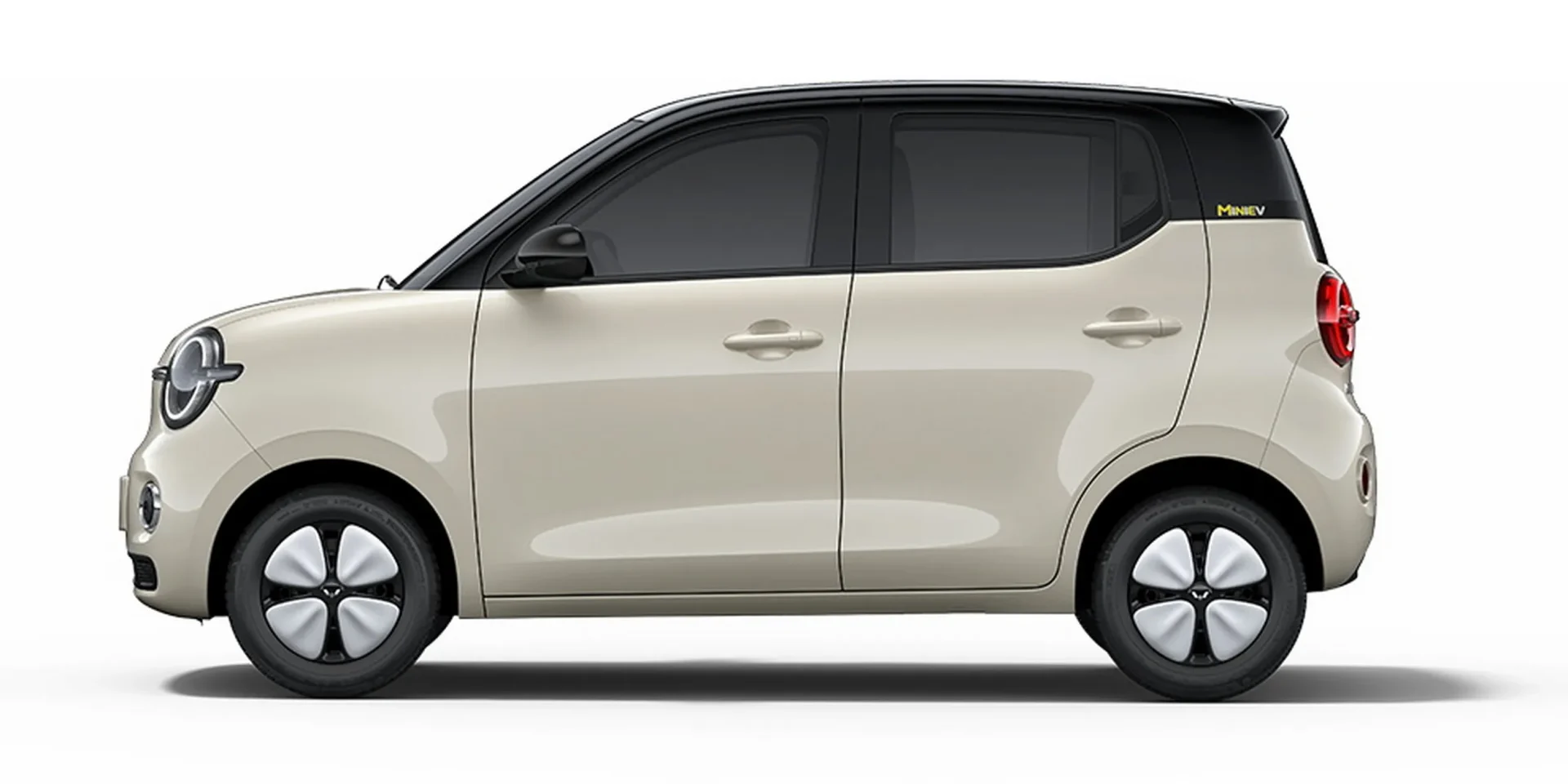
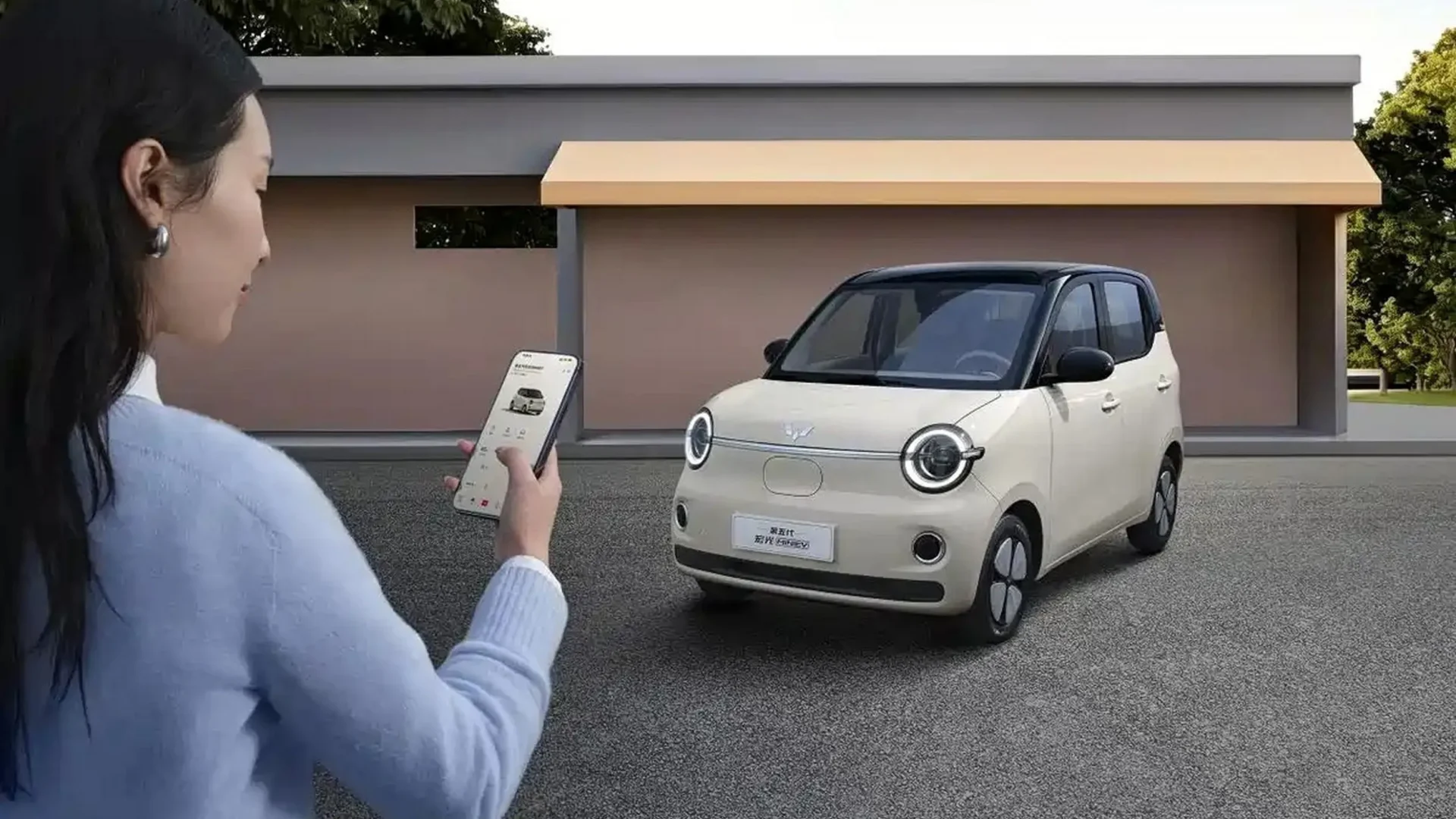
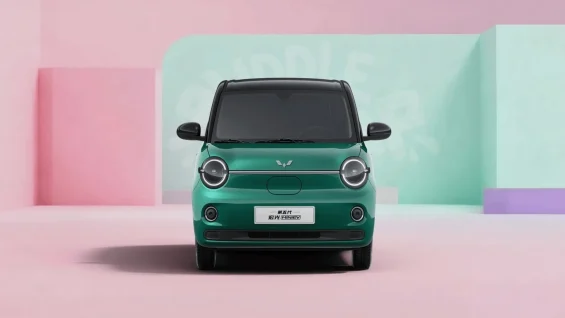
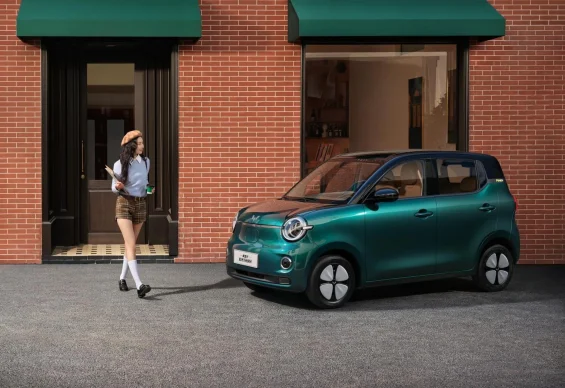
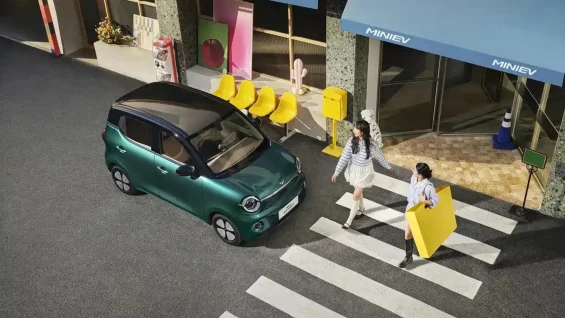
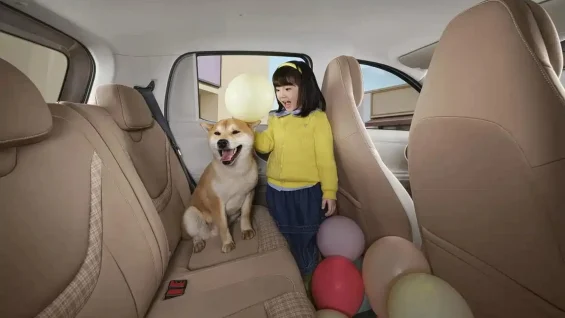
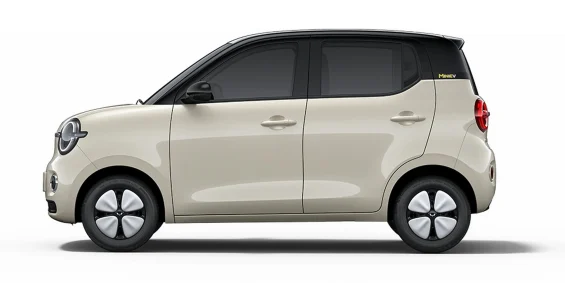
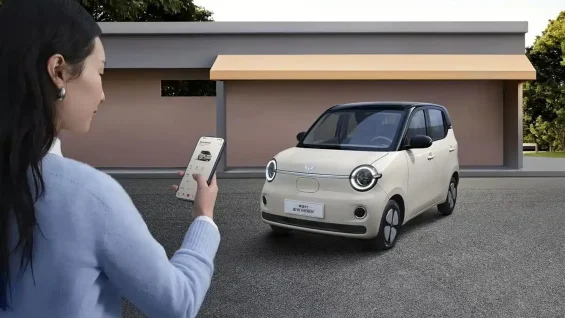
The main novelty of the 2026 line is the debut of a five-door variant, which facilitates access to the rear seat and expands the family appeal of the compact. Visually, the Mini EV adopted more fluid and rounded lines, abandoning the excessively straight look of previous versions. The LED optical assembly is now interconnected by a chrome bar at the front, following the brand’s new visual identity.
SEE ALSO:
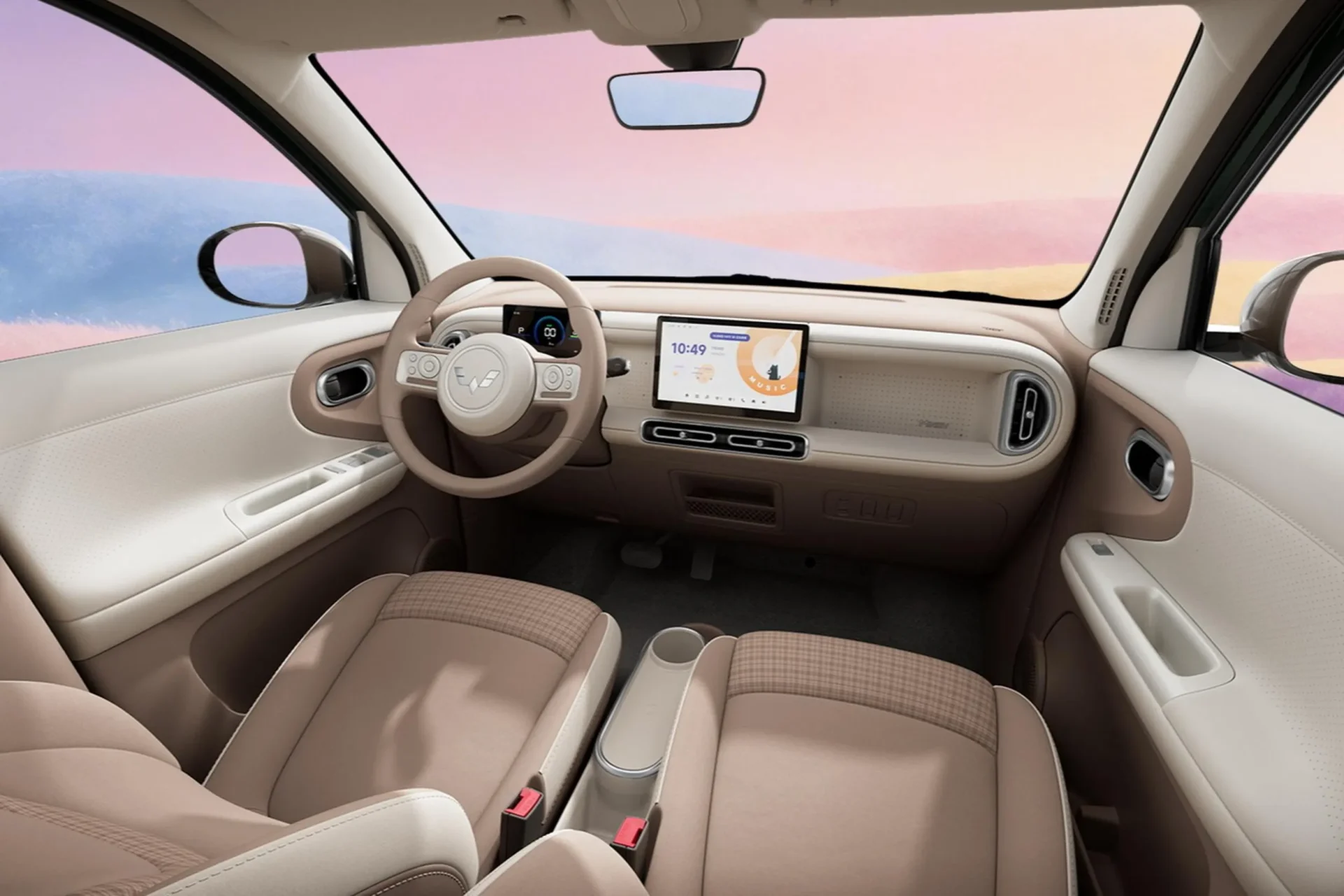
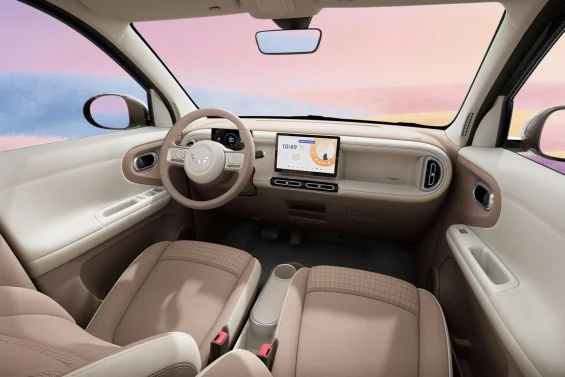
Inside, the technological evolution is clear. The dashboard has been simplified with the removal of physical buttons for the air conditioning, now operated by the new 10.1″ multimedia center. The gear lever has been moved to the steering column, freeing up space between the front seats. The trunk, although small with four occupants (170 liters), reaches 838 liters with the second row folded down.
Mechanically, the Wuling maintains a strictly urban focus. The rear engine delivers 40 hp and 8,7 kgfm, enough for a top speed of 101 km/h. There are two battery options: 16.2 kWh, with a range of 205 km, and 25.1 kWh, which increases the range to 301 km in the Chinese cycle. Fast charging recovers 30% to 80% of the charge in 35 minutes.
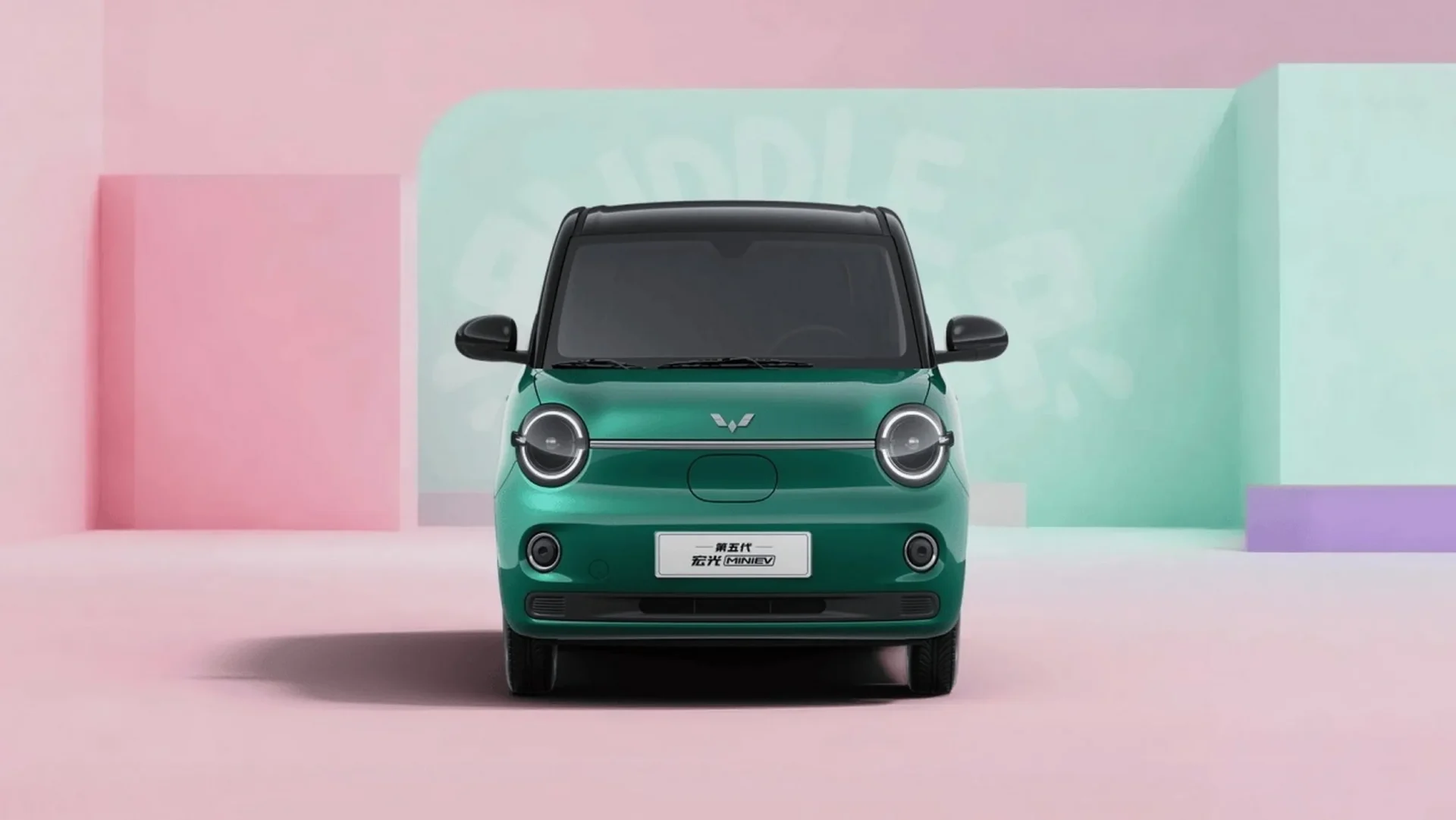
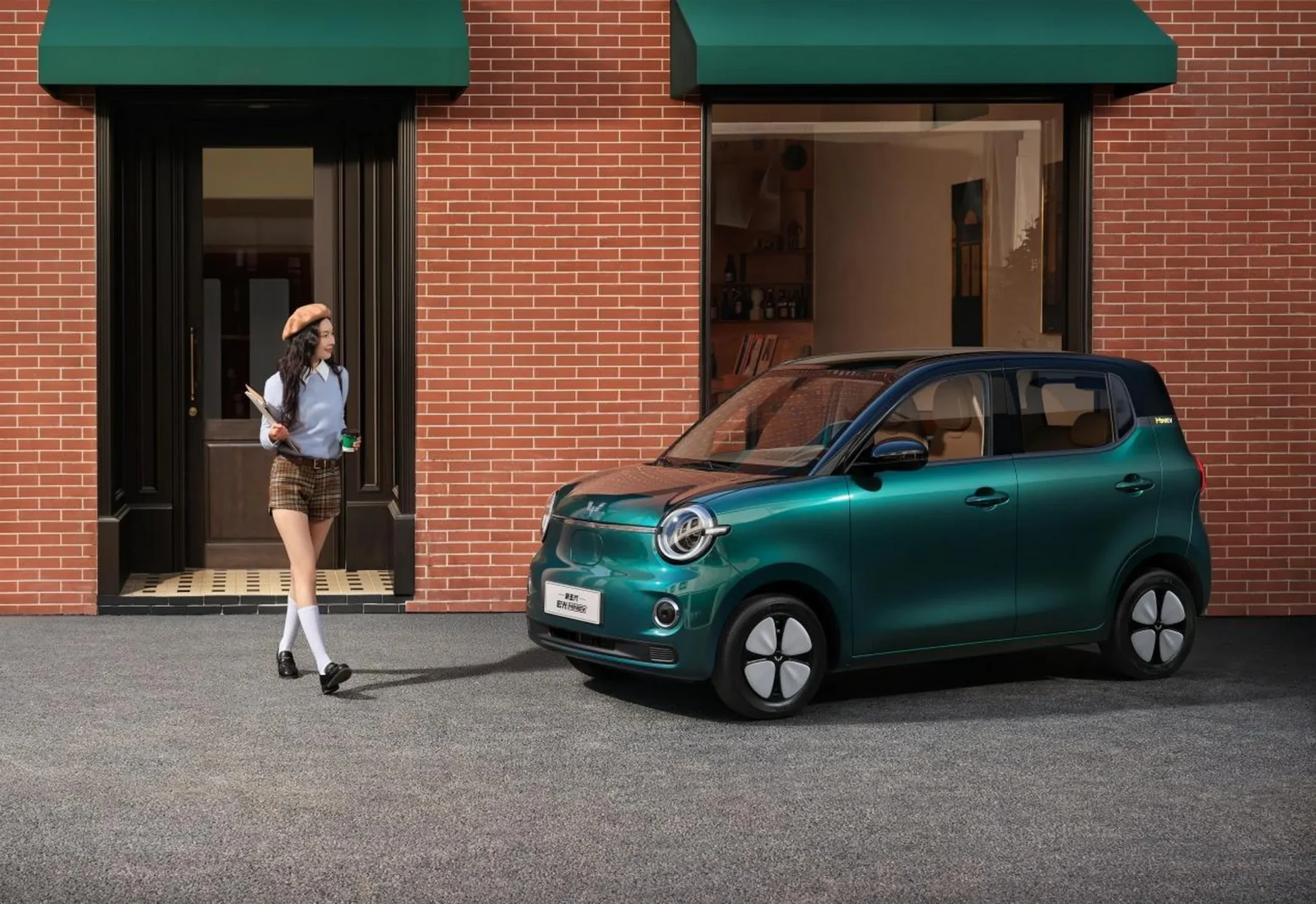
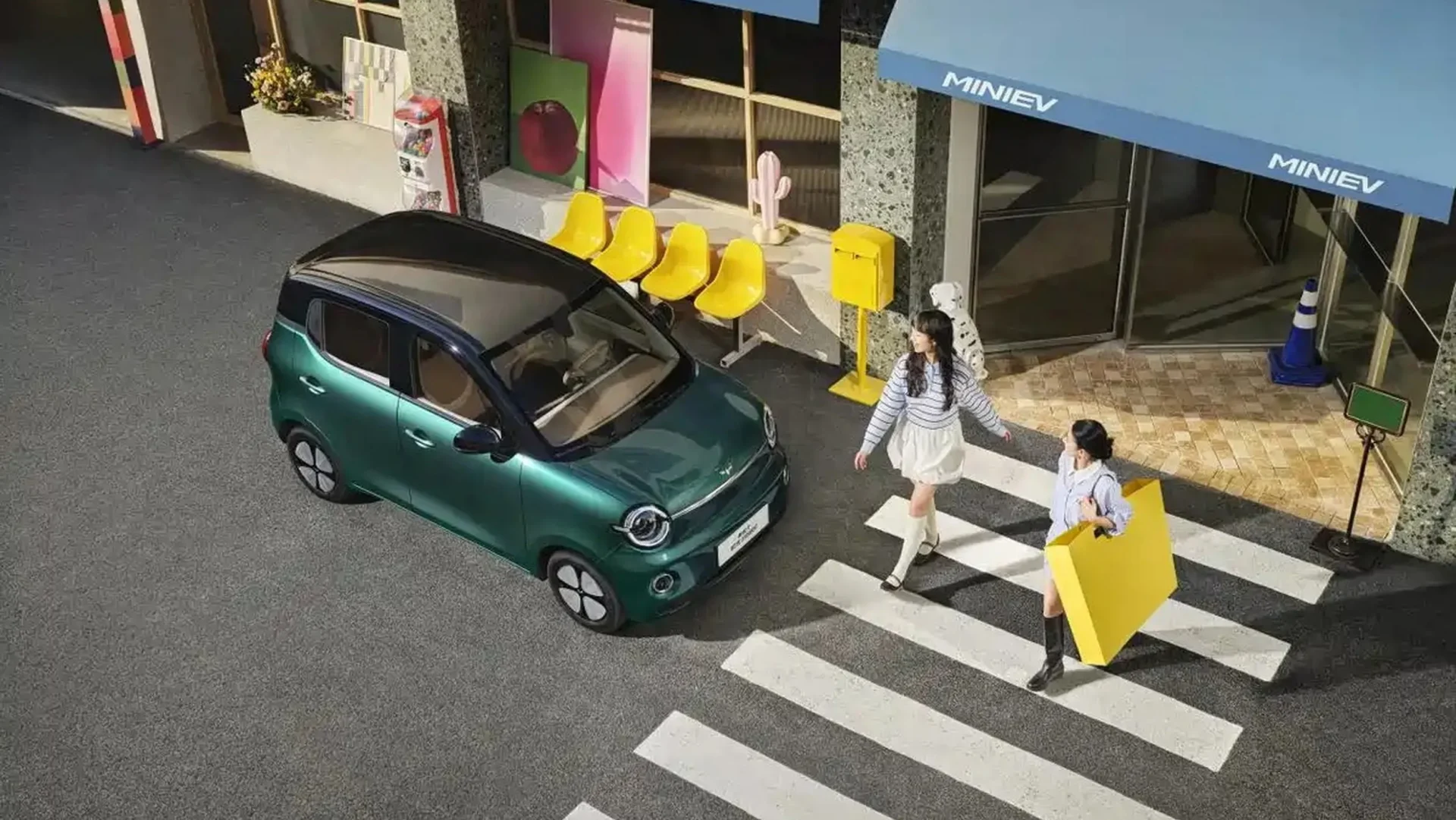
Initially available in the Chinese market, the compact is priced between ¥ 44,800 (R$ 34 thousand) and ¥ 55,800 (R$ 42 thousand). Despite the global success, there is still no official confirmation about the export of this new generation to Brazil.



