General Motors plans to cut losses in the electric sector by US$ 1.5 billion by converting factories to produce gasoline models
General Motors (GM) projects a significant reduction in the production volume of its electric vehicles for the year 2026. This decision accompanies heavy financial adjustments and strategic changes in the assembly line, motivated by a changing economic and political scenario.
Although CEO Mary Barra reiterates the company’s belief in electric technology for the long term, the automaker’s immediate focus is on the profitability guaranteed by internal combustion engines.
SEE ALSO:
In 2025, GM reported a one-time financial impact of $7.6 billion due to charges related to the electricity sector. The company recorded billionaire expenses with the cancellation of contracts with suppliers and the discontinuation of the BrightDrop electric van.
For 2026, the strategy aims to reduce losses by up to US$ 1.5 billion (something close to R$ 8.2 billion) through adjustments such as the exclusive production of gasoline cars in some factories, motivated by the end of tax credits in the US. In addition, GM raised its profit outlook for 2026 to as much as $15 billion, boosted by strong sales of pickup trucks and combustion SUVs. Even with the cuts, the brand managed to be the second leader in EV sales in the US, with about 170 thousand units delivered.
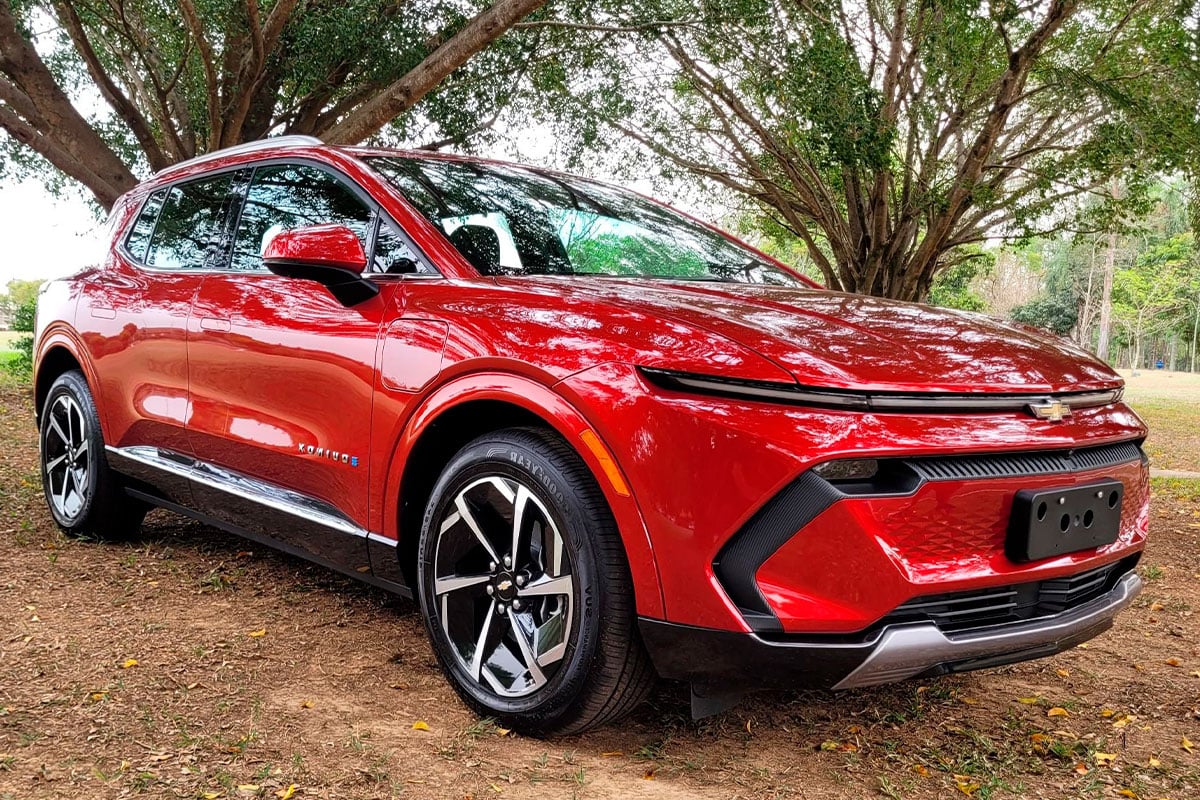
Despite the production downturn, the Equinox EV has consolidated itself as a market success, being the third best-selling electric car in the United States for offering a range of more than 507 km at an affordable price. To maintain its competitiveness in the entry-level segment, GM maintains planning for the launch of the new Chevy Bolt 2027, with an estimated starting price below US$ 30,000 (about R$ 165 thousand).
By recalculating the route, GM demonstrates that it is prioritizing the financial health and real demand of the U.S. consumer in the short term. By converting factories and reducing the volume of electric vehicles, the automaker seeks a balance that allows it to finance the future technological transition without compromising the current profit margins, supported by the traditional models that still dominate the market’s preference.



