Plan includes billionaire investments, launches of the Buick and Cadillac brands and focus on innovation to compete with local automakers
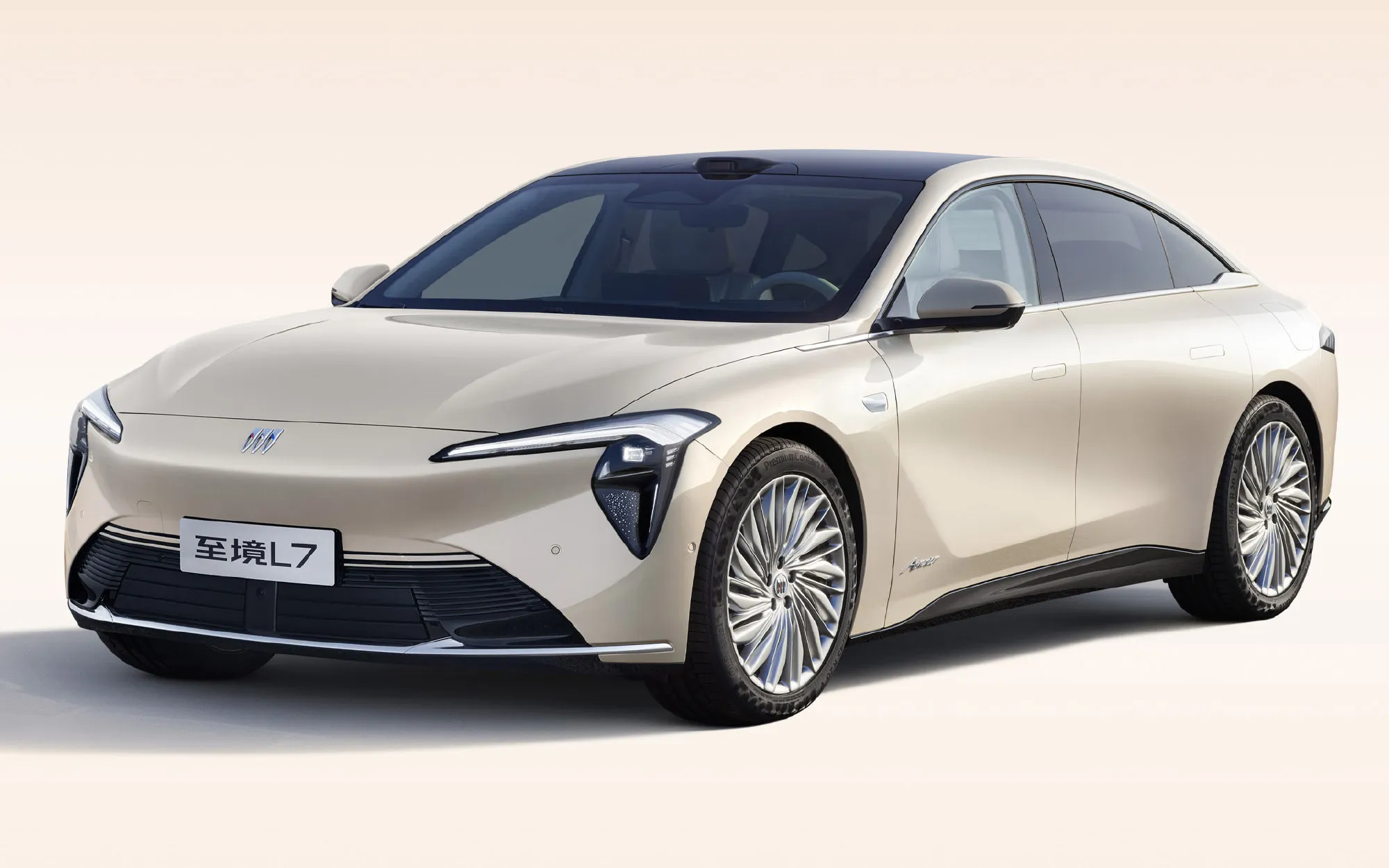
The joint venture between General Motors and SAIC Motor seeks to reverse the loss of Chinese market share with a strategy centered on electrification and innovation. The move comes amid the proximity of the end of the agreement scheduled for 2027.
In a meeting with dealers in early March, the president of the operation, Lu Xiao, presented a three-year plan that foresees new electric models of the Buick and Cadillac brands, advances in embedded technology and expansion of exports.
SEE ALSO:
Sales of the joint venture fell from about 2 million vehicles in 2017 to 562,000 in 2025. Although the operation has returned to profit after a US$ 2.7 billion restructuring, the performance still generates caution in the sector, especially in the face of the lack of signals about the renewal of the partnership, unlike Volkswagen.
As part of the strategy, more than 10 billion yuan will be invested in upgrading the Buick lineup and developing new electrified products, with a focus on the SUV segment. Among the launches is the Buick Electra L7, as well as electric and hybrid versions of existing models. Cadillac is also moving forward with the Vistiq electric SUV, equipped with assistance technologies developed in partnership with Momenta.
The initiative seeks to reduce the technological gap in relation to Chinese automakers. The joint venture’s new platform promises 1,000 V architecture, a range of up to 1,000 km and advanced driving and connectivity features, including future integrations with ByteDance technologies.
Exports continue to be an alternative for growth, although pressured by trade tariffs. In 2025, shipments fell by about 40%, mainly impacted by barriers in the United States and Mexico.



