Drivers report scares and losses with spontaneous breaking of the rear window; See the affected models and the brand's response
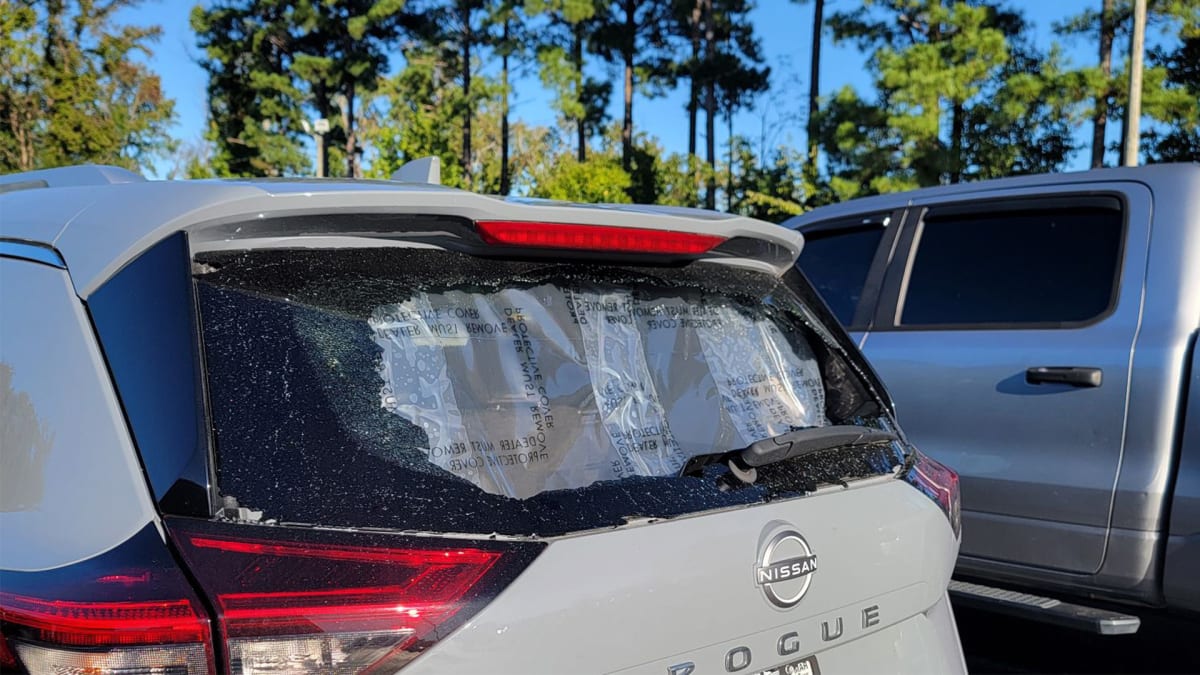
Nissan has become the target of a class action lawsuit in the United States due to an alleged manufacturing defect in the Rogue SUV (equivalent to the X-Trail in other markets). According to the lawsuit filed in Tennessee, the rear windows of units produced between 2021 and 2025 present a risk of spontaneous shattering, without any external impact.
The plaintiffs in the lawsuit, filed in federal court in Nashville, argue that the Japanese automaker was aware of the hidden defect but chose to omit the failure from consumers, exposing them to safety risks and financial losses.
SEE ALSO:
The petition highlights that incidents occur prematurely, often within the standard warranty period of 36 months or 36,000 miles. The case of one of the plaintiffs illustrates the problem: the rear window of his 2021 Rogue exploded with only 9,400 miles (approximately 15,100 km).
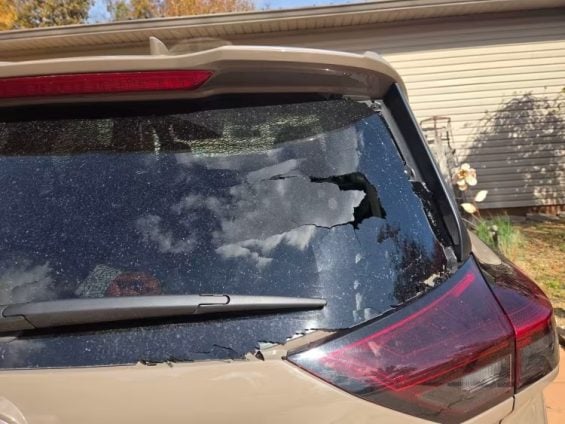
The main complaint of owners refers to Nissan’s stance in the after-sales. According to reports, the company has systematically refused to cover the repairs, claiming that the breakage would be the result of “external impact” – and not a product defect – forcing customers to pay for the replacement. The lawsuit seeks damages for fraud, omission, and breach of express and implied warranties.
In addition to material damage, the defect poses risks to road safety. The sudden shattering generates a bang capable of frightening and distracting the moving driver, increasing the likelihood of accidents, in addition to projecting fragments of glass inside the cabin. The failure also leaves the vehicle vulnerable to theft and bad weather.
Experts cited in the lawsuit suggest that the origin of the problem may lie in the structural fragility of the glass. Factors such as errors in the tempering process or excessive tension in the installation would make the part susceptible to breakage due to thermal variations, use of the defroster or even air pressure when closing the door.
The lawsuit exacerbates Nissan’s momentum in the U.S., which is already facing recent recalls involving engine and tire failures. So far, the automaker has not issued an official statement about the class action.



