The region of Baden-Württemberg, the cradle of German engineering, recorded the closure of more than 2,400 companies linked to the automotive sector in a single year
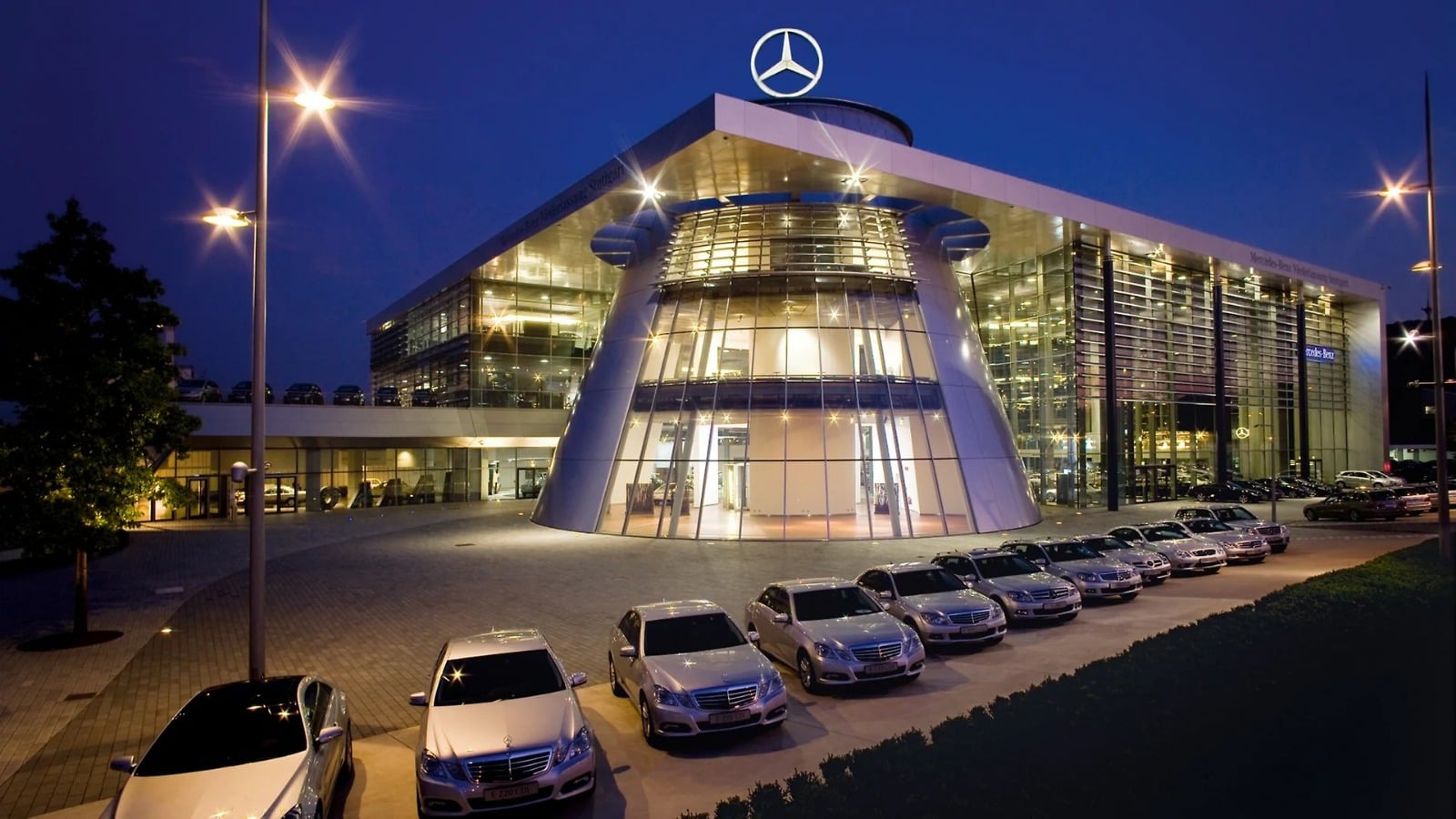
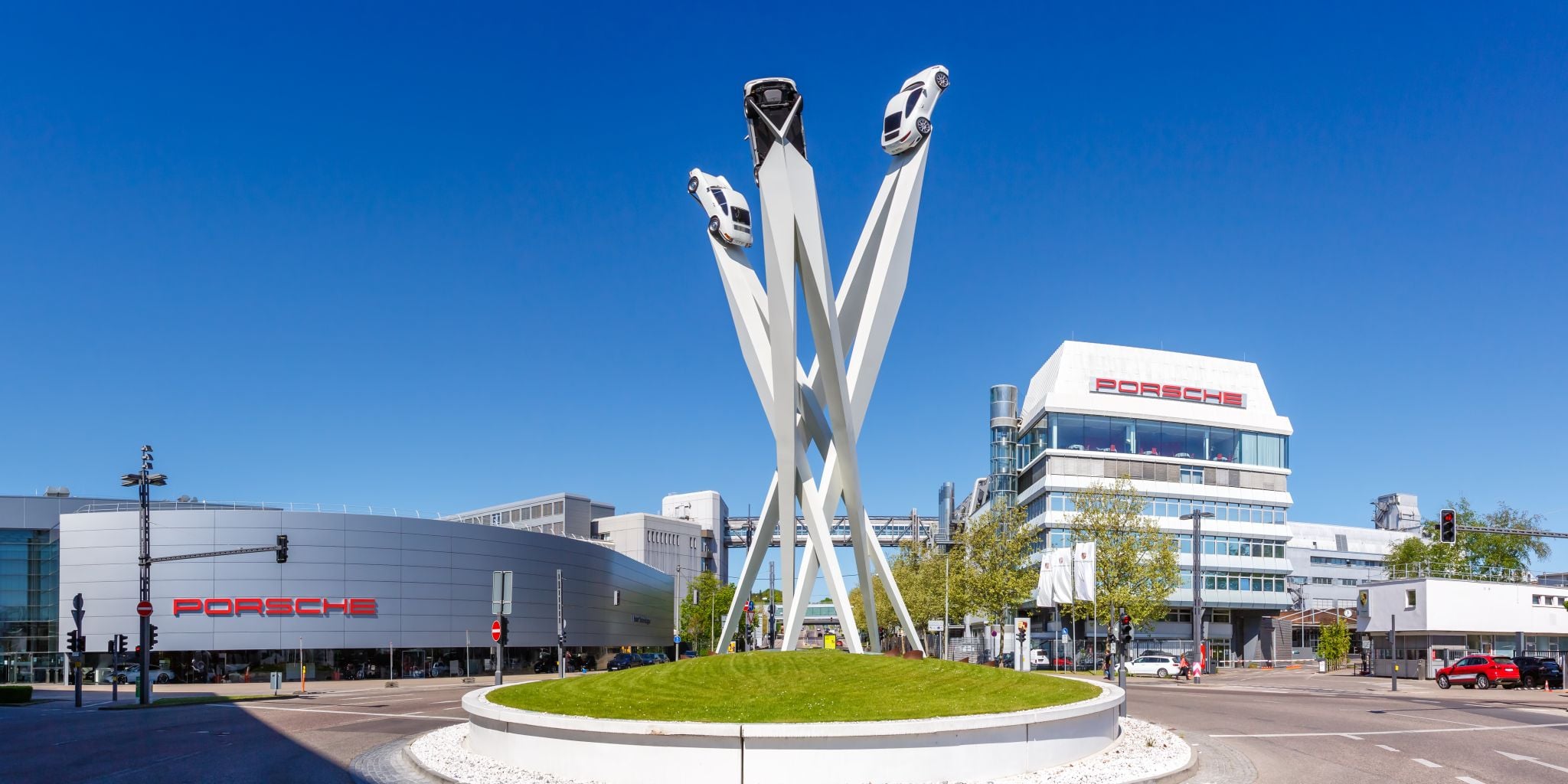
The German automotive industry is facing a structural crisis that puts its historical global leadership at risk, especially in the Baden-Württemberg region. The state, home to the headquarters of Porsche and Mercedes-Benz, faces high production costs and increasing foreign competition. The sector, which once represented the pinnacle of European engineering, is now struggling with economic instability and the challenges posed by the forced transition to electrification.
SEE ALSO:
The region feels the impacts more than the rest of the country because it has a greater industrial dependence. While the national economy contracted, the drop in Baden-Württemberg’s GDP was twice the country’s average, reaching 0.4%. Factories account for almost 40% of the region’s gross value added, making the local ecosystem vulnerable to any fluctuation.
The crisis does not only affect the major automakers, but also historical names of components and accessories that have shaped the world’s automotive culture. Companies such as Recaro and BBS have recently declared insolvency, highlighting the fragility of the entire German supply chain. The IG Metall union has been working to prevent mass layoffs, resorting to drastic measures, such as reducing working hours, to try to contain the advance of unemployment in the sector.
Some external factors complicate the recovery under Chancellor Friedrich Merz, most notably the invasion of low-cost Chinese components into the European market. In addition, some international tariff policies directly impact the region’s exports. Rising energy prices and stringent climate targets make local manufacturing less competitive against new global competitors, creating a scenario of uncertainty for the end of this decade.
Projections indicate that the region could lose up to 14 thousand jobs by 2030, if the current scenario persists. It is notable that the transition from combustion engines to electric engines has transformed what was a source of national pride into an unprecedented industrial survival challenge. The future of the German automotive hub will depend on the ability of companies to reduce costs and innovate technologically, while trying to maintain their relevance.



