Galaxy V900 bets on luxury and hybrid engine to fight with BYD Denza D9; model brings semi-autonomous driving technologies and high luxury
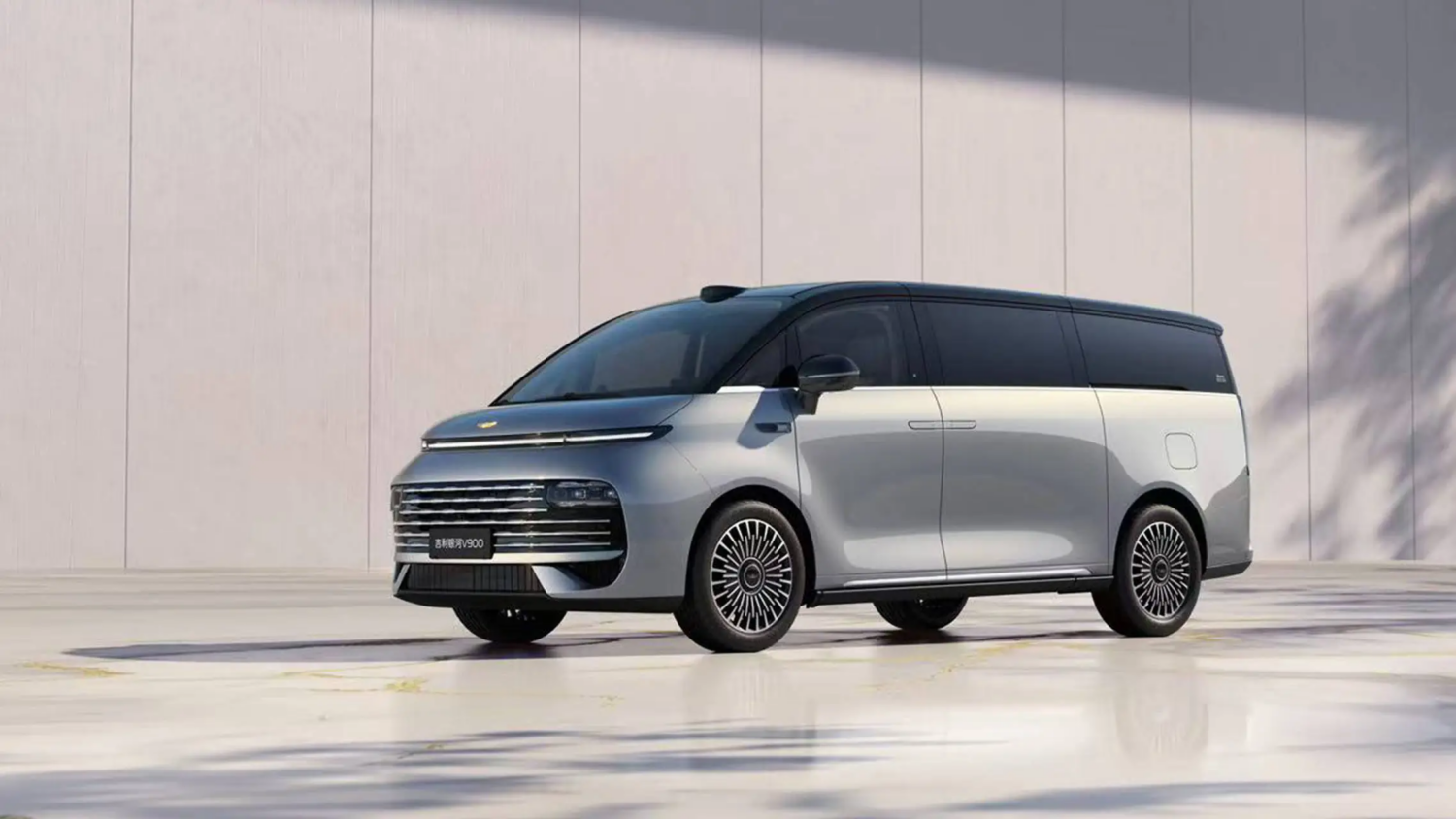
Geely, the Chinese automotive giant that owns Volvo, intensified the dispute in the luxury family vehicle segment with the official launch of the Galaxy V900 last Tuesday (20). The van arrives in the Chinese market with an aggressive strategy: it combines high-end finishes — including gold-plated details — and a hybrid propulsion system capable of exceeding 1,200 km of combined range.
Promotional launch prices range between 269,800 and 329,800 yuan (approximately R$ 206 thousand to R$ 251 thousand in direct conversion), positioning the model competitively against established rivals.
SEE ALSO:
The great asset of the Galaxy V900 lies in its mechanical assembly. The model adopts an extended-range electric system (EREV), which combines a 1.5-liter turbocharged combustion engine with two electric motors. This configuration delivers a combined power of (456 hp and torque of 53,3 kgfm.
In practice, this translates into efficiency: the vehicle offers a purely electric range of up to 260 km (CLTC cycle). When combined with a full fuel tank, the total range jumps to an impressive 1,220 km, eliminating the “range anxiety” common on long journeys. The model is offered with 43.3 kWh or 50 kWh battery options.
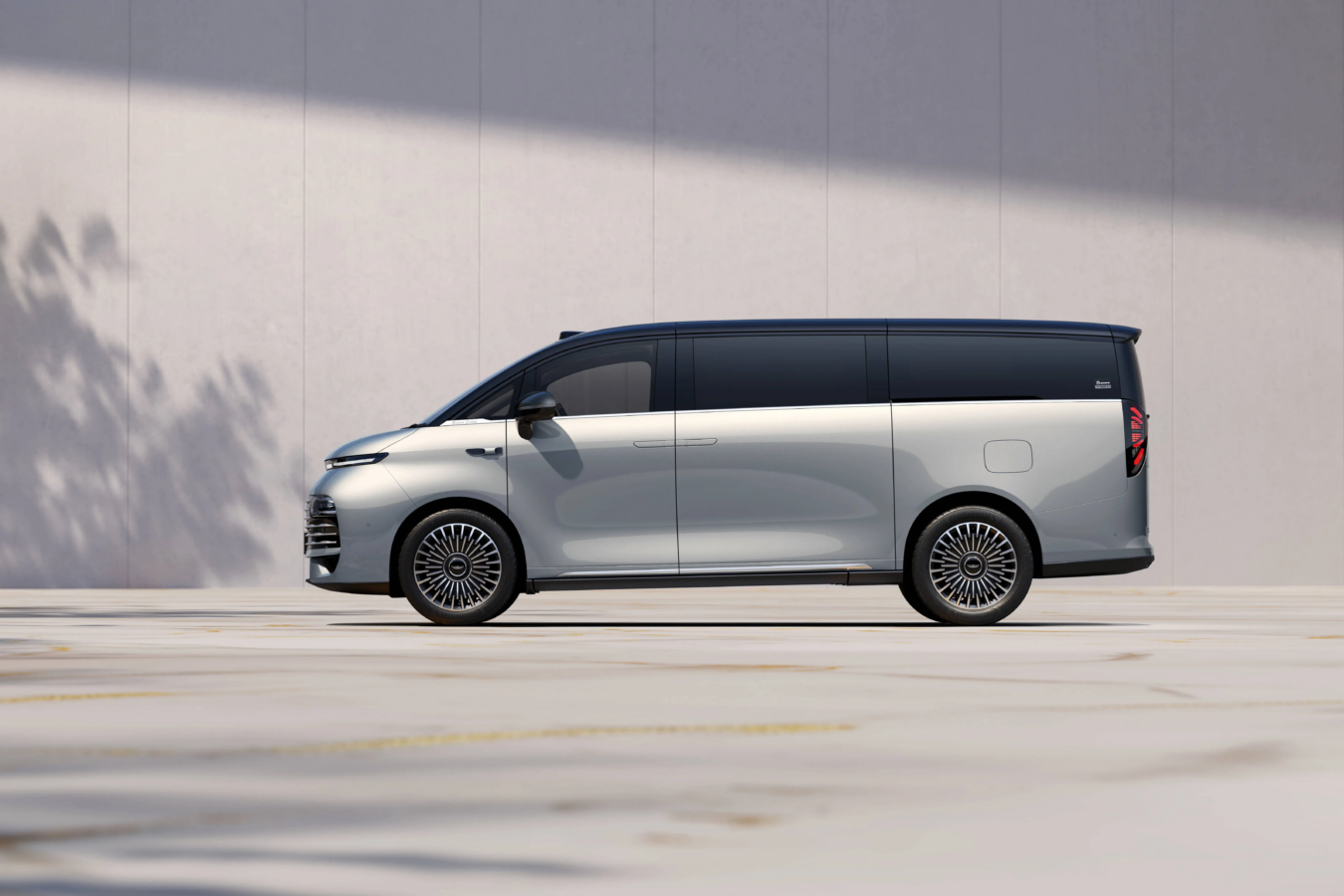
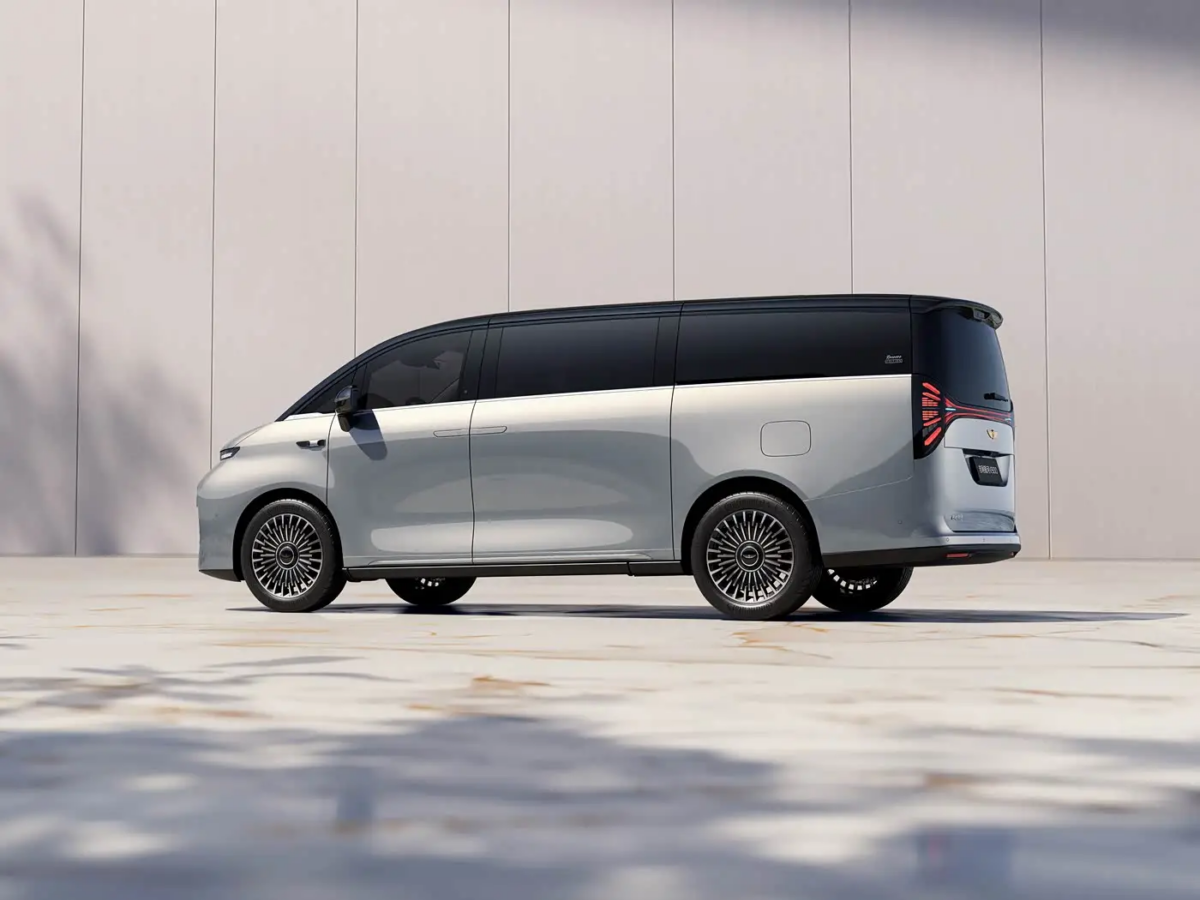
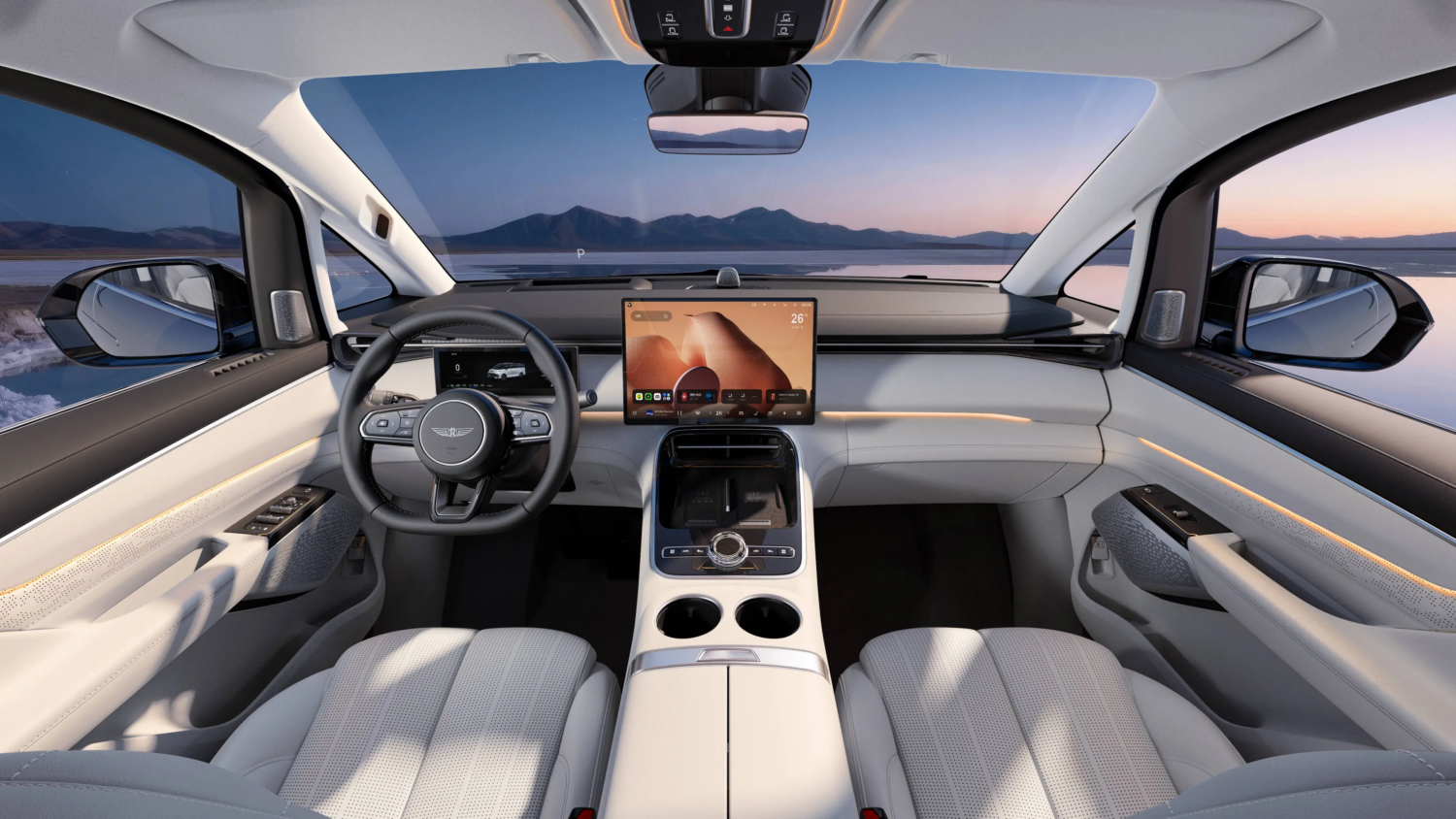
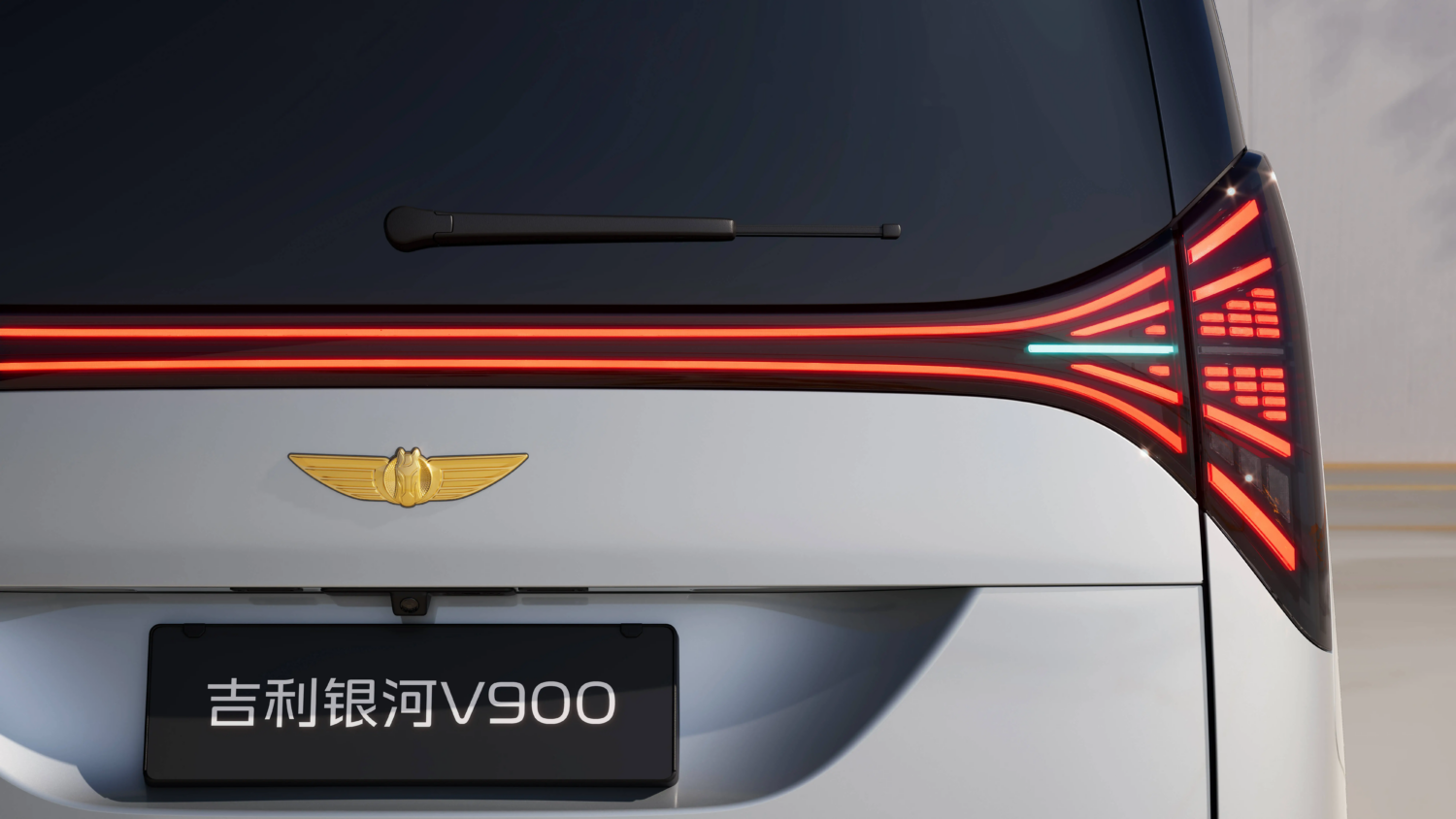
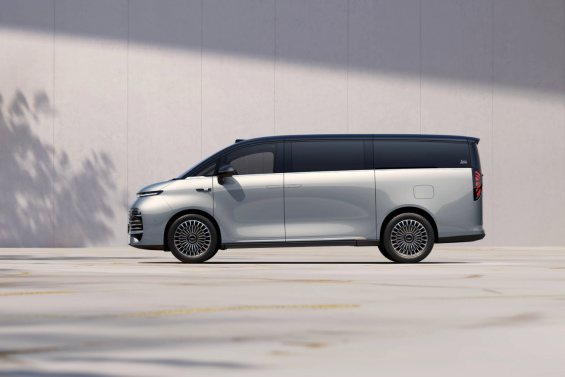
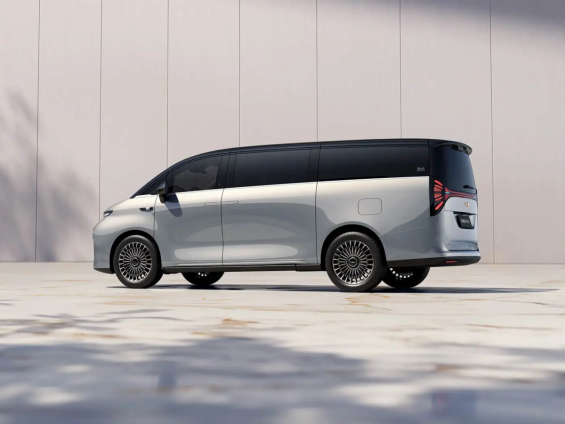
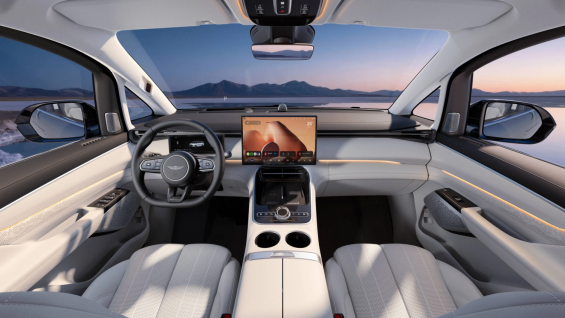
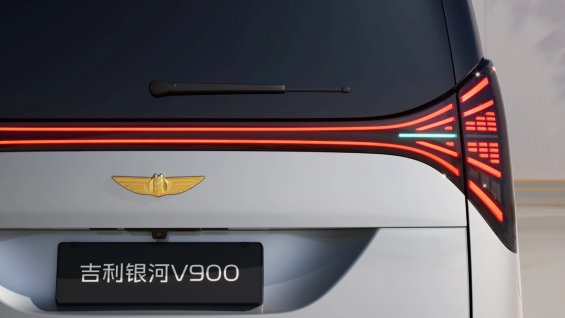
Visually, the V900 seeks to impose its presence with the “Star River” light signature and an exotic detail: the Pegasus emblem on the front grille is plated with 24-karat gold. The interior follows the concept of “living room”, with an internal space utilization of 91.8%.
The cabin is dominated by digitalization, with a 15.4-inch central screen, 10.25-inch instrument cluster and a 19.8-inch augmented reality head-up display (HUD). For passengers, comfort is a priority: there are seats with heating, ventilation and massage, exclusive screens for the second row, refrigerated compartment and an immersive sound system with 27 speakers.
In terms of safety, Geely equipped the V900 with the Qianli Haohan H5 driving assistance system. The technology package integrates LiDAR, radars and cameras to offer Navigation with Autopilot, allowing assisted driving both on highways and in complex urban scenarios.
The launch puts Geely on a direct collision course with other “heavyweights” in the Chinese minivan market, vying for consumer preference against models such as Denza D9, Xpeng X9, Voyah Dream and Buick GL8.



