With an unprecedented logistics operation at the Port of Paranaguá, the Chinese automaker tries to zero the waiting list for the EX2 and EX5 models in Brazil
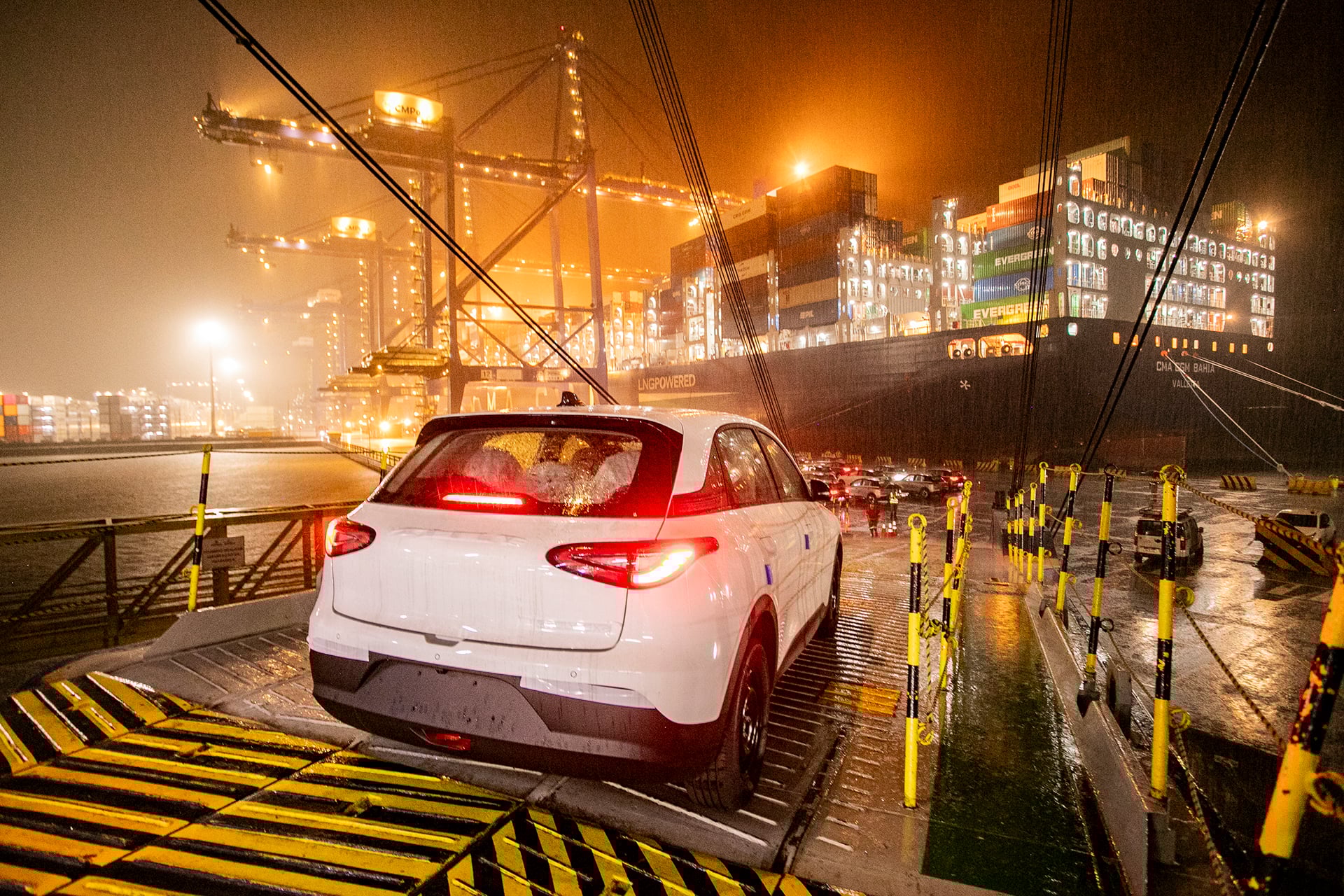
The Chinese automaker Geely carried out an unprecedented logistics operation at the port of Paranaguá (PR) by unloading a batch of 3,370 electric cars at once. The move, focused on solving supply bottlenecks, reinforces the manufacturer’s commercial strategy of ‘invasion’ in Brazil. The immediate objective is to ensure prompt delivery to dealerships and face aggressive competition from brands such as fellow countryman BYD.
SEE ALSO:
The massive shipment seeks to correct the recent mismatch between supply and demand. The large volume imported should, above all, normalize deliveries of the Geely EX2. The compact hatch is the automaker’s current sales protagonist in the country and is in direct competition in the entry-level segment with rivals BYD Dolphin Mini and Dolphin.
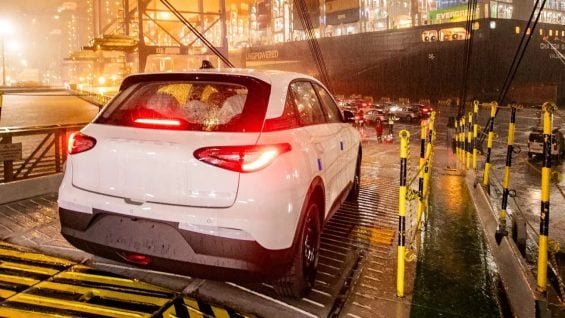
In addition to the hatchback, the import operation included units of the Geely EX5 SUV. The injection of new vehicles aims to supply the dealership network at a crucial time of brand expansion, avoiding the loss of customers interested in electrification due to possible waiting lines. The strategy of bringing large volumes in a timely manner replaces the previous tactic of smaller and fragmented imports.
The success of this logistics offensive is directly linked to the use of the infrastructure of the partner Renault in São José dos Pinhais, in the Metropolitan Region of Curitiba. The French industrial complex has been operating as Geely’s distribution hub for the entire national territory, speeding up the dispatch to tenants.
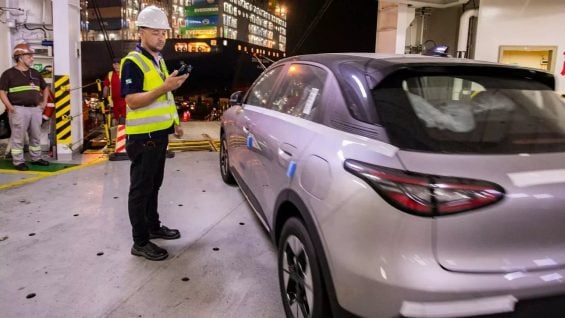
More than facilitating the current delivery, this physical integration indicates a more ambitious long-term planning. With the joint operation already testing EX2 prototypes on national soil, the proximity to the Paraná plant is the initial step for the future local production of Geely vehicles. Nationalization will drastically reduce the brand’s dependence on seaborne imports in the future.



