US brand brought together former employees of Tesla, Apple, Formula 1 and more to create affordable pickup and revolutionize production
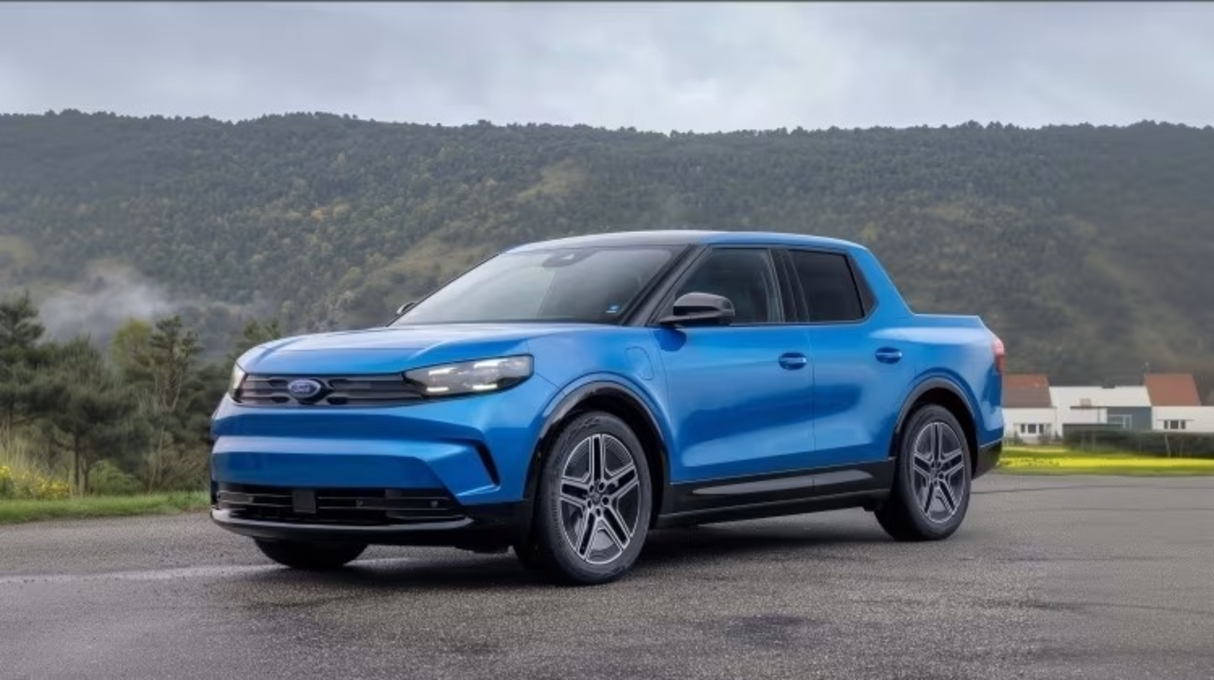
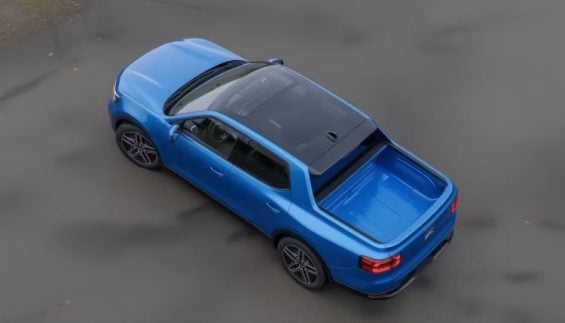
Ford is preparing the launch of a compact electric pickup truck with a starting price of US$ 30 thousand (about R$ 180 thousand). The American automaker’s goal is clear: to compete directly with Chinese brands, which today lead the industry by combining advanced technology and aggressive costs.
The project’s trump card lies in the development of what the brand promises to be the cheapest electric motor in the world, with production costs lower than those practiced in China. To make the feat possible, Ford set up a specialized team in California — internally dubbed “Skunkworks” — with about 500 engineers from companies such as Tesla, Rivian, Apple and Formula 1 itself.
SEE ALSO:
The strategy goes beyond the engine. The new vehicle, which will be similar in size to the Maverick, will use more economical lithium iron phosphate (LFP) batteries and will offer rear-wheel drive or all-wheel drive options with different range capabilities.
To achieve the $30,000 price tag, engineering was drastically simplified. The project foresees the use of 25% fewer fasteners (screws and clips) compared to the Mustang Mach-E SUV. In addition, the wiring harnesses have been optimized: they are 1.2 km shorter and 10 kg lighter than the brand’s current standard.
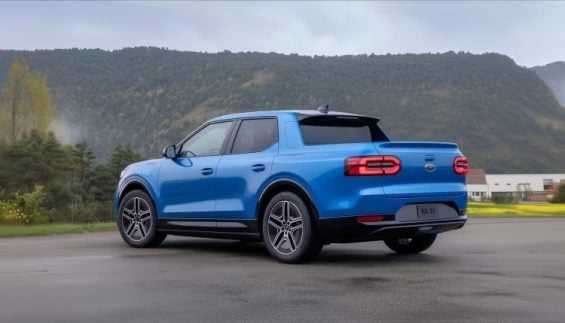
Even positioned as an entry-level product focused on cost, the pickup should debut an advanced autonomous driving system, allowing the driver to take their eyes off the road on stretches of highway. Production, planned for the Louisville plant, will also undergo a revolution: the assembly area will be 30% smaller and the number of workstations will be reduced by 40%, eliminating redundant steps.
By betting on a utility vehicle in the US$ 30,000 range, Ford is trying to reverse the current logic of the market, where electric vehicles are mostly seen as luxury goods. The intention is to resume the character of “work tool” of the brand’s vehicles. If successful, the new low-cost architecture will serve as the basis for future models, ensuring the automaker’s survival in the global price war.