Santa Cruz sales plummet 20% and Korean automaker is forced to cut production in half to make way for SUV that sells for real

Hyundai has started a process of “demobilization” of Santa Cruz, its bet on the monocoque intermediate pickup segment. Faced with a disappointing commercial performance in the United States, the automaker decided to drastically reduce production of the model as early as the first quarter of 2026.
Although the official position is that the schedule remains unchanged, sources linked to the supply chain indicate that the end of the line may be brought forward, shortening the life cycle of the vehicle originally planned to go until 2027. The decision is pragmatic: supposedly, the pickup failed to establish a clear identity, failing to capture both the casual and the heavy-duty consumer.
SEE ALSO:
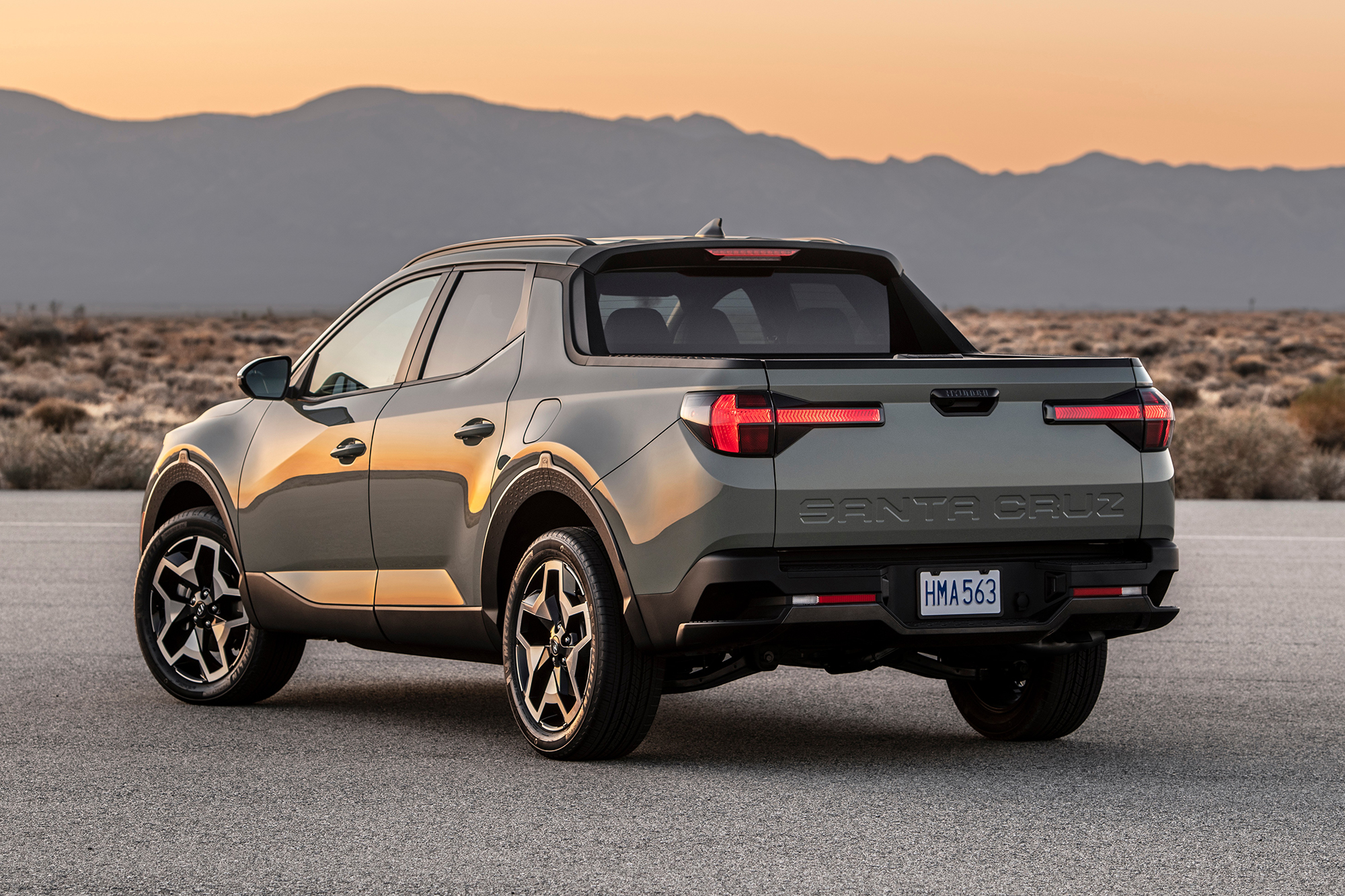
The numbers explain the change of route. In 2025, Santa Cruz experienced a 20% drop in sales, selling only 25,500 units for the whole year. The volume is derisory when compared to its direct rival: the Ford Maverick not only grew 18%, but closed the year with 112,000 units sold — more than four times the volume of the Korean one.
The lack of a hybrid version — Ford’s great asset — took its toll. With the reduction in the manufacture of the pickup by 50%, the Alabama plant will redirect its capacity to the Tucson SUV, which shares the same platform and is experiencing the opposite moment, with a 14% increase in demand.
Hyundai seems to have learned its lesson. Reports point out that the brand is already working on a replacement scheduled for launch in 2029, but with a radically opposite philosophy. The new project will abandon the monocoque construction (like that of the Fiat Toro and the Ram Rampage as well) to adopt the body-on-chassis structure (like the Toyota Hilux and Ford Ranger).
The strategy aims to give the future pickup the robustness and cargo capacity that the North American consumer demands, positioning it as a real competitor to Toyota Tacoma, and no longer as an “SUV with a bucket”.



