Iran's war-torn logistics crisis forces luxury brands to adopt drastic air freight to serve Persian Gulf billionaires
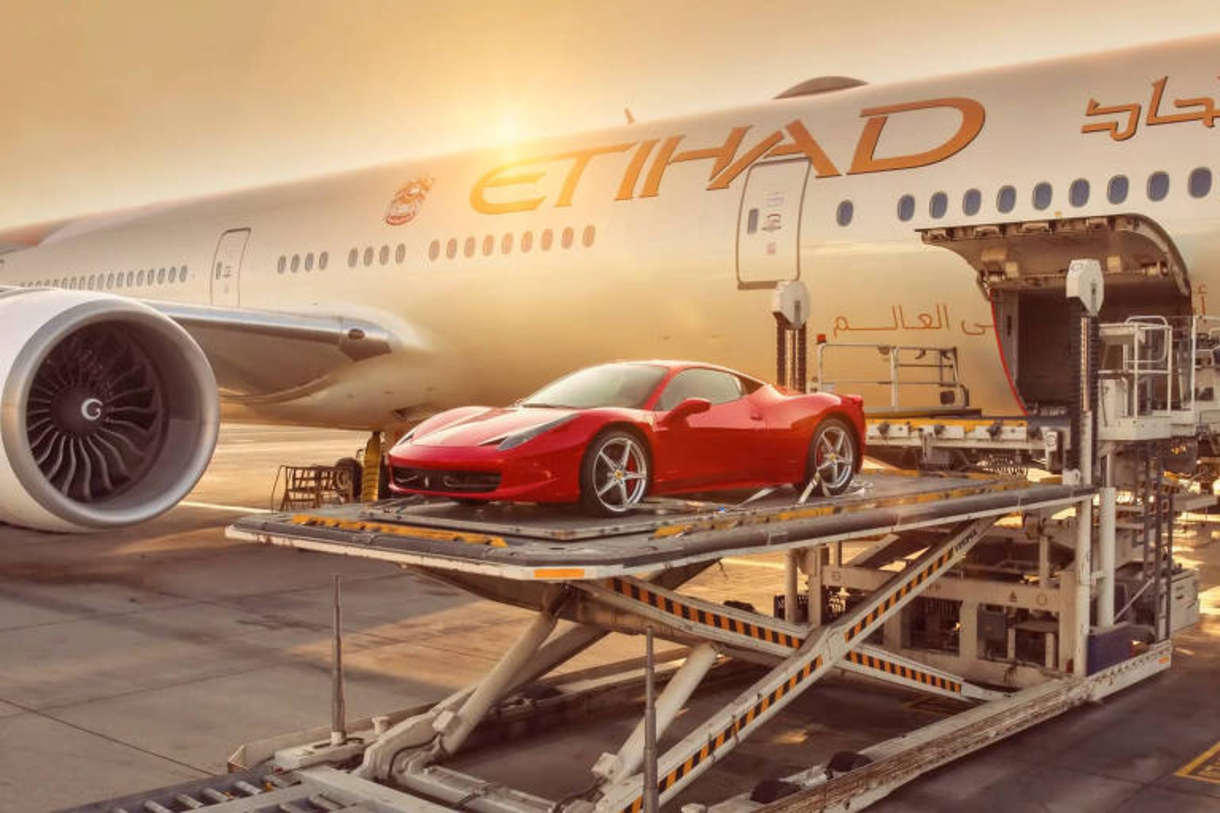
High-end car manufacturers, such as Ferrari, have started to use air transport to make deliveries in the Middle East amid the naval blockade resulting from the conflict in Iran. The closure of the Strait of Hormuz made the route of cargo ships unfeasible, forcing brands to adopt exceptional logistics so as not to compromise operations in one of their most profitable markets.
The transition from sea to air transport, however, severely inflated operating costs. The cost of freight for the journey between Europe and the Persian Gulf jumped to up to five times the original level, reaching an average of US$ 2.96 (about R$ 15.10) per kilogram transported.
SEE ALSO:
The reactions of the automakers vary according to the exposure to the market. While Ferrari has suspended deliveries by sea and prioritizes air flow, Bentley has chosen not to use planes, limiting itself to fulfilling orders with local inventory. Volkswagen Group has issued a warning that the prolongation of tensions is likely to hurt sales volume in premium divisions such as Lamborghini and Porsche.
The logistical effort is justified by the high profit margins in the region. Although the US and China lead in absolute volume, customers in the Persian Gulf are the ones who invest the most in exclusive customizations – items that represent up to 20% of Ferrari’s total revenue.
Despite the maintenance of old orders, the scenario for new sales is one of stagnation. A European manufacturer has already frozen the opening of dealerships in Saudi Arabia, while showrooms in Abu Dhabi register a drop in visits. If the crisis persists, the tendency is for brands to relocate the stock destined for the Arabs to Japan, although executives admit that the financial return will be lower due to the lower demand for luxury options in the Japanese market.



