While European automakers suffer from high costs, Chinese dominate the market with cheap technology and fast production
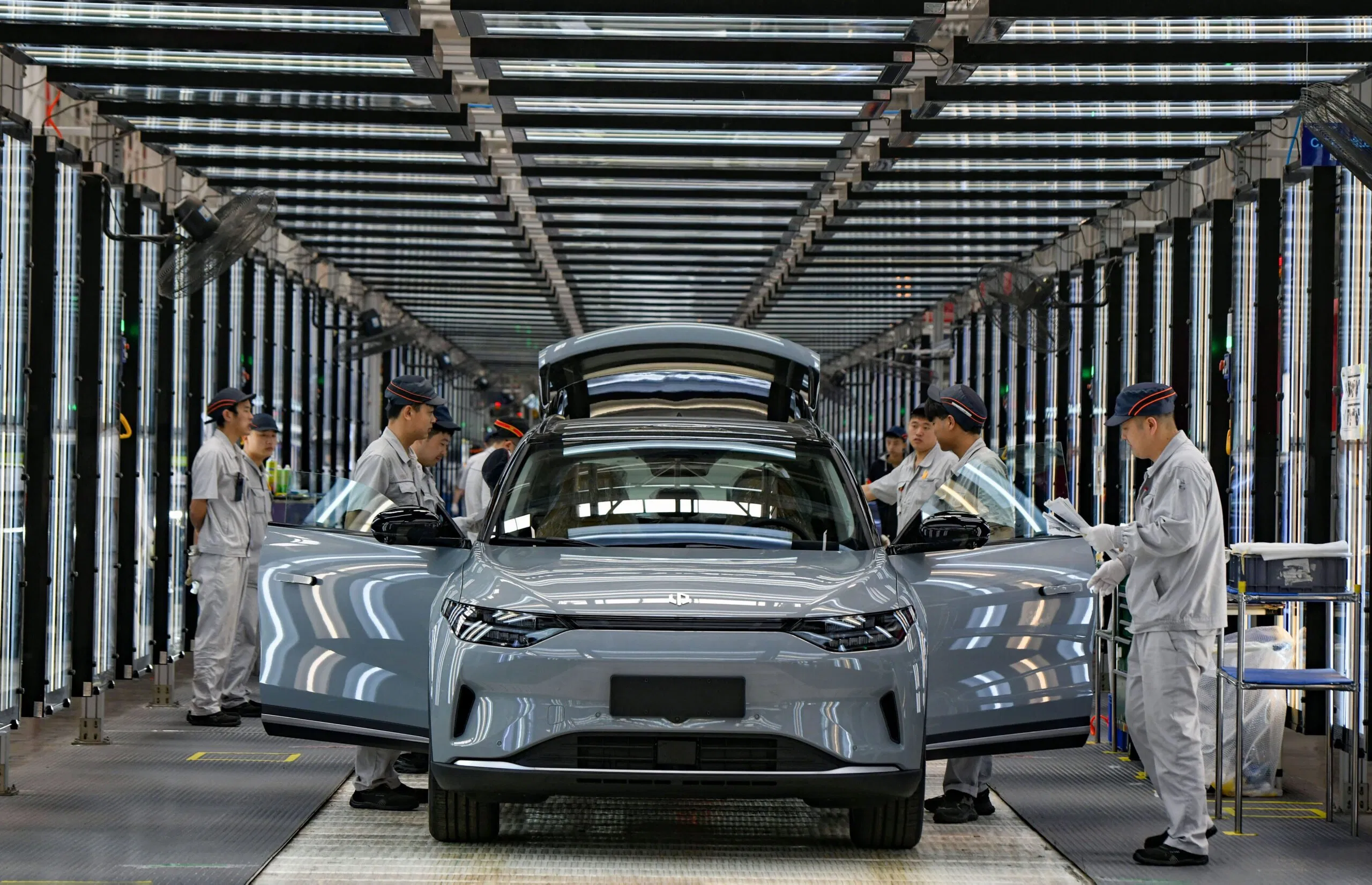
The European automotive industry is two decades behind China in the development of batteries — the most critical and expensive component of electric vehicles. The warning comes from Ferdinand Dudenhöffer, director of the Center for Automotive Research in Bochum (Germany), who classifies the technical distance between the two markets as a chasm that is difficult to overcome in the short term.
In an analysis reproduced by the Global Times, the expert points out that Europe’s industrial autonomy has become an illusion. The projection is that, by the end of 2025, more than 70% of the batteries equipped in electric cars sold on the continent will be of Chinese origin. The reason is pragmatic: the unfeasibility of competing on price and scale.
SEE ALSO:
China’s competitive advantage is structural. Asian manufacturers are able to produce battery cells at about 30% lower costs than European ones, in addition to operating with 50% faster development and innovation cycles. While the Chinese chain advances, the European chain suffers significant setbacks, illustrated by the recent bankruptcy of the Swedish Northvolt and the freezing of projects by the French ACC — initiatives that promised, unsuccessfully, to guarantee the energy sovereignty of the region.
The reflection of this disparity is felt in sales. In December 2025, Chinese brands surpassed the barrier of 100 thousand units registered in Europe in a single month for the first time, grabbing 9.5% of the market. Giants such as CATL and BYD not only export, but have already installed their factories on European soil, consolidating their dominance.
According to the International Energy Agency, China holds 75% of the global battery production capacity. For Dudenhöffer, the only way out for Europe’s traditional automakers, such as BMW and Stellantis, is to abandon protectionism and deepen technological partnerships. The scenario suggests that Europe will move from being an independent leadership hub to becoming a hub for joint development, where the underlying technology will inevitably be Chinese.



