Survey points to 573 occurrences in Greater São Paulo in 2025; collisions left almost 500 thousand customers without power and repair takes about eight hours
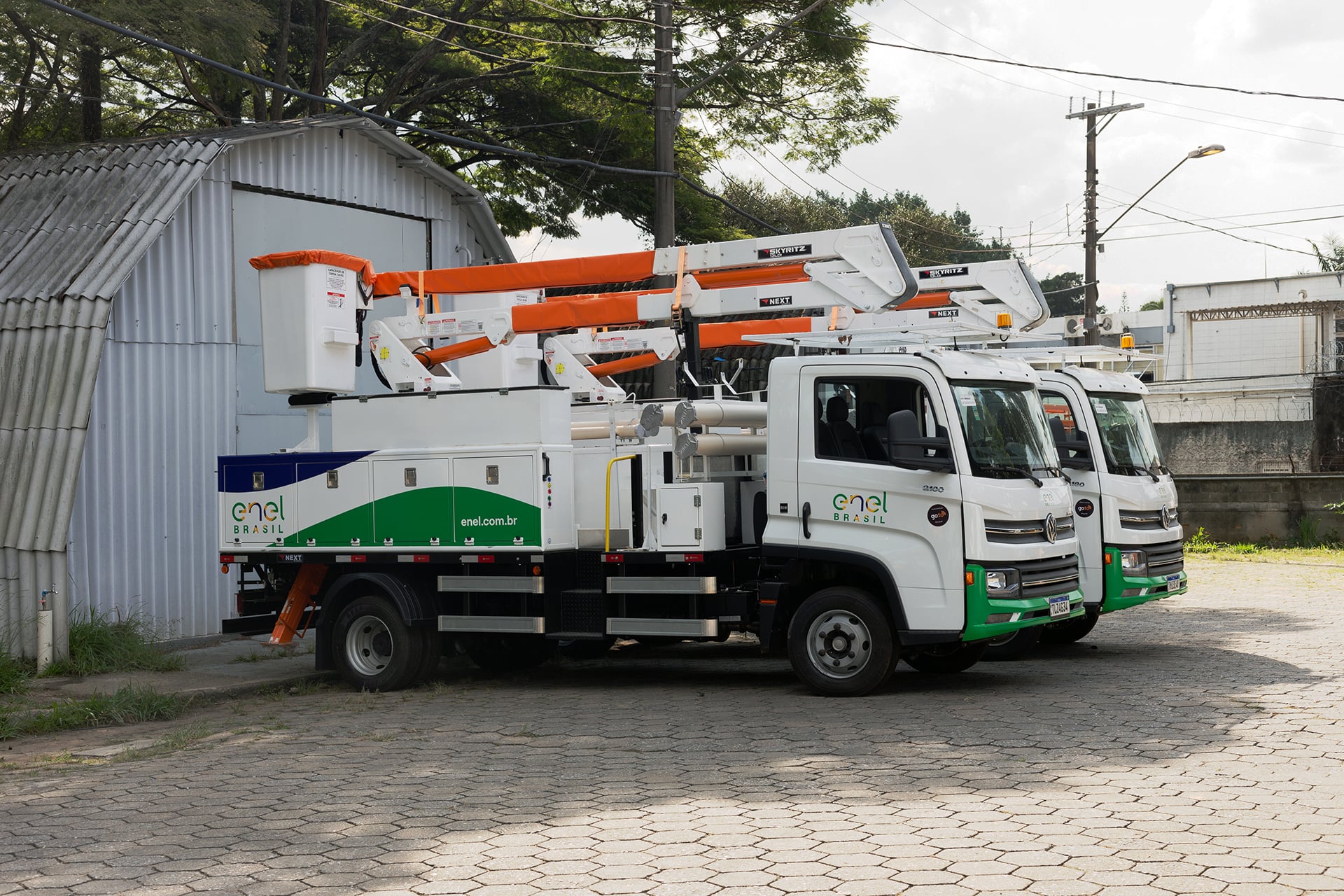
In the midst of the electricity supply crisis affecting Greater São Paulo, Enel presented a new component to explain the recurring power outages: the increase in vehicle collisions against poles in the distribution network. According to Folha de S. Paulo, a survey by the concessionaire reveals that, in 2025, 573 occurrences of this type were recorded in the 24 municipalities in its area of operation — an increase of 4.7% compared to the 549 cases of the previous year.
According to the company, traffic accidents left 472 thousand customers in the dark throughout this year. Interestingly, the proportion of those affected was much higher in the previous calendar: in 2024, despite the slightly lower volume of knocks, wiring damage reached almost 1.8 million metropolitan consumers.
The capital of São Paulo, owner of the largest fleet of vehicles in the country, leads the statistics by far. The city concentrated 353 accidents with poles in 2025 — an increase of 23 episodes in the annual comparison. In the metropolitan region, the municipality of Cotia also drew attention for the jump in occurrences, from 13 to 21 records in the period.
SEE ALSO:
For the driver involved, the headache goes far beyond the breakdown in the car itself. Enel points out that the costs of replacing the destroyed structure are fully charged to the owner of the vehicle that caused the collision. In addition to the bitter financial loss, there is the logistical inconvenience imposed on the neighborhood: the average time for the complex repair of the network and the replacement of a pole reaches almost eight hours, affecting traffic, the operation of traffic lights and local commerce.
The release of these figures comes at a time of extreme institutional pressure on Enel. The concessionaire has become a constant target of complaints and threats of breach of contract by authorities at the federal, state and municipal levels. To justify chronic failures in the provision of the service, the company often attributes the responsibility to external factors, citing extreme weather events, strong winds, the lack of pruning of trees on public roads and, now, recklessness in traffic.



