Now, candidates can also take the driving test in automatic cars, reflecting the change in the profile of the vehicle fleet in Brazil
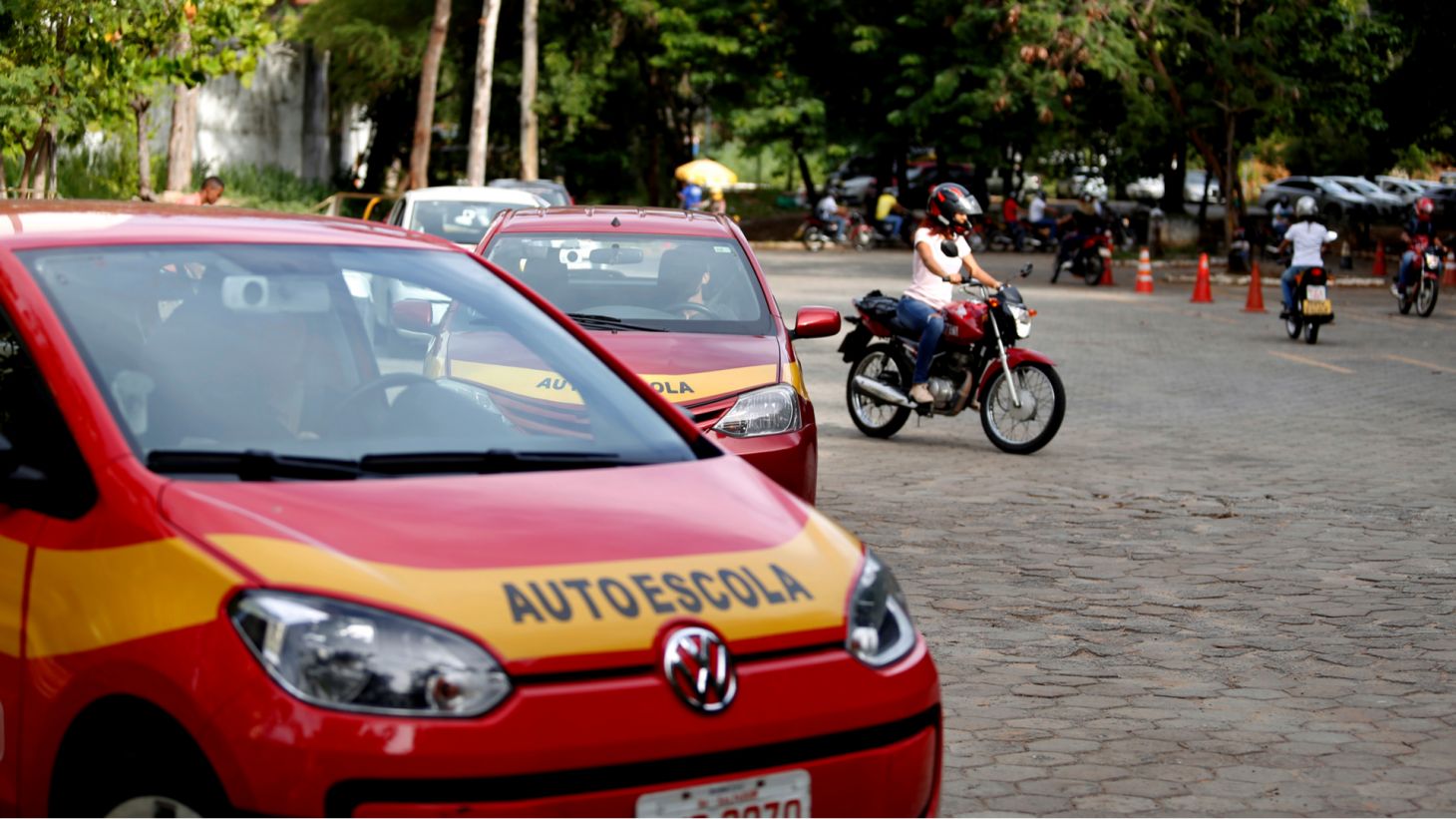
The traditional beacon exam in an area demarcated by stakes — considered one of the most tense moments for those seeking the National Driver’s License (CNH) — is no longer mandatory in São Paulo.
The DMV-SP, following what was also done in Amazonas, Espírito Santo and Mato Grosso do Sul, has implemented significant changes in the evaluation process since last Monday (26). The changes comply with resolution 1,020 of the National Traffic Council (Contran) and seek to modernize the system.
SEE ALSO:
The main novelty is the replacement of the technical maneuver between trestles by a real traffic situation. The objective, according to the agency, is to focus on the dynamics of circulation and reduce the “plastering” of the test.
The extinction of stakes does not mean that the candidate will not need to know how to park. The difference is that, now, the examiner will ask the driver to park the vehicle on a public road, next to the curb, simulating the daily life of the streets. The evaluation will prioritize driver behavior in turns, interaction with pedestrians and other vehicles, placing road safety above the precision of an isolated maneuver.
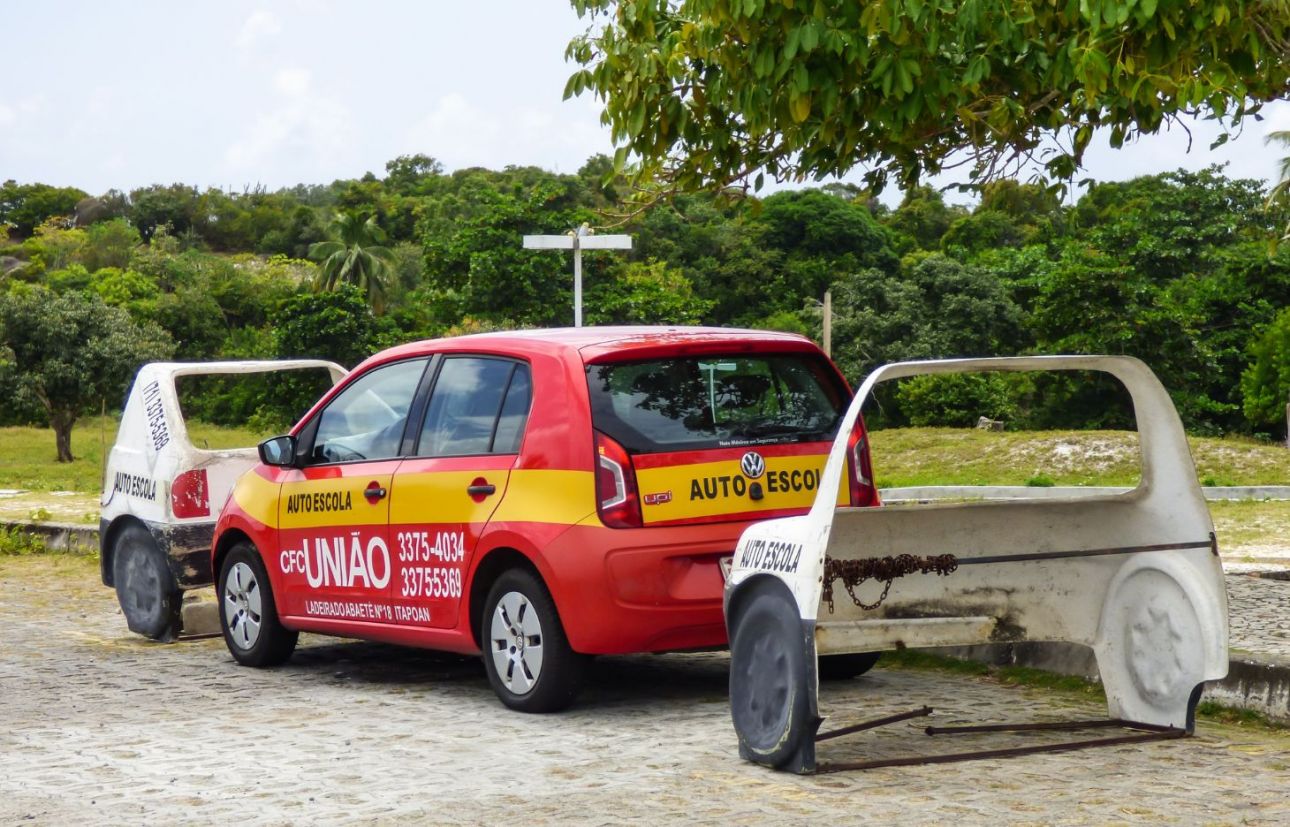
Another relevant change is the democratization of the automatic transmission: previously restricted to specific categories (such as PwD), the use of vehicles without a clutch pedal was released for all candidates. The measure is a response to the update of the national fleet, where the presence of automatic cars grows annually, making the mastery of manual clutch a less universal competence than it was decades ago.
Simplification, however, faces resistance. The Association of Driver Training Centers of São Paulo (Acesp) views the measure with caution. For the entity, the end of the traditional beacon can compromise technical training, arguing that the maneuver between piles is essential for the driver to develop spatial awareness and control of the car at low speed.
While the DMV defends the reduction of bureaucracy, driving schools warn of the risk of putting drivers on the streets who are less prepared for situations of restricted space.



