Driven by app drivers, the average resale time of electric vehicles breaks a record and displaces diesel, gasoline and hybrid vehicles.
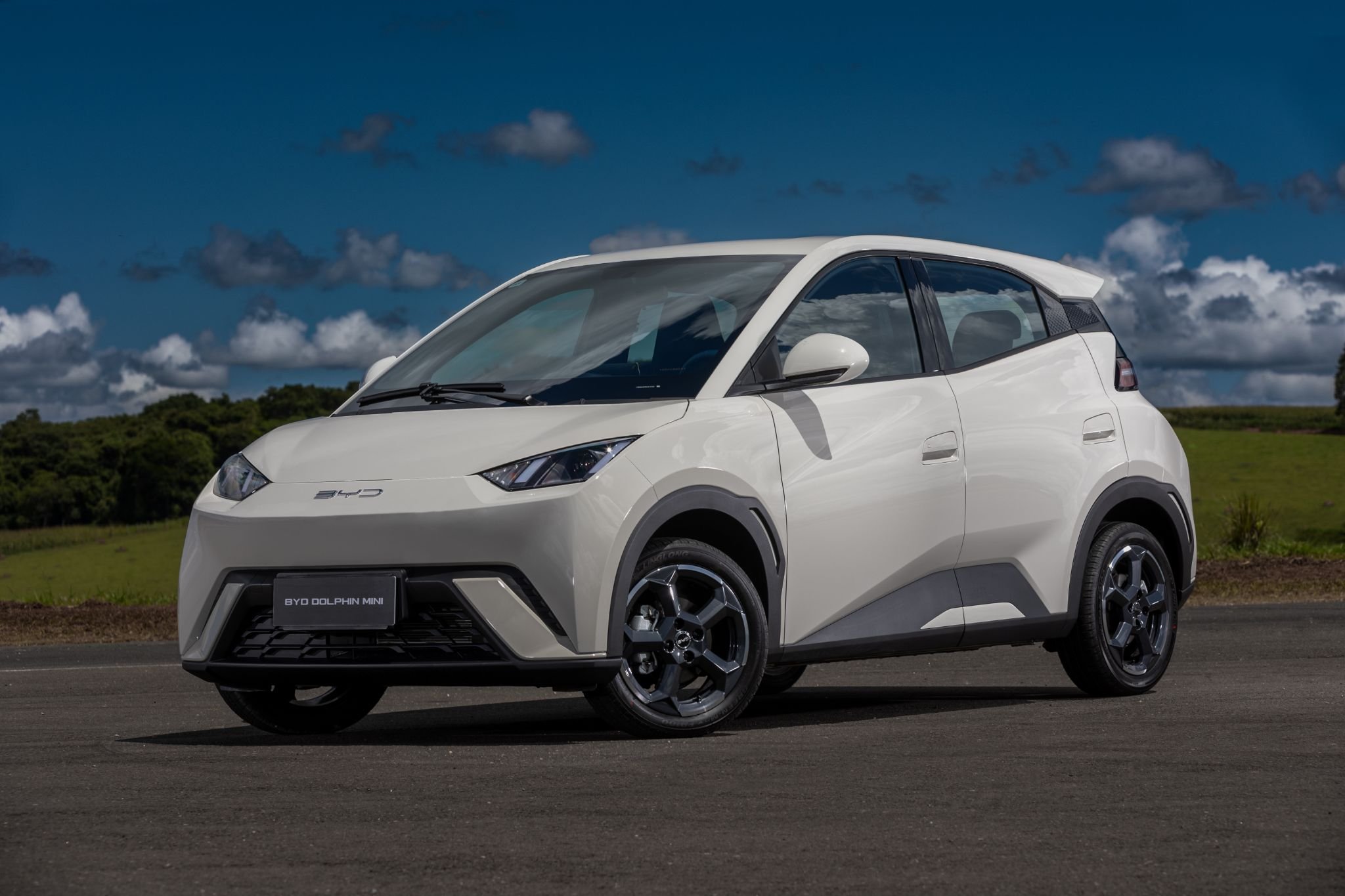
The search for entry-level used electric cars is gaining traction in Brazil and is beginning to break one of the main taboos in the automotive sector: the supposed difficulty of resale. Driven by app drivers and small rental companies that seek to reduce operating costs without investing in the purchase of the zero-kilometer, these models today register an unprecedented liquidity in the national market.
According to a survey by Indicata, which monitors more than 600 thousand ads daily in the country, battery electric vehicles registered, in January 2026, for the first time in history, an average inventory time lower than that of combustion and hybrid models.
SEE ALSO:
The study is based on the Market Day Supply (MDS) indicator, which translates the liquidity of each model over a period of 45 days. The calculation is made by dividing the number of units in stock by the volume of recent sales. The lower the index, the faster the exit from the stores. In the sector, an MDS in the range of 40 days is considered the ideal scenario.
In January, the average of electric cars hit 47 days. The performance far surpassed the flex models (53 days), full hybrids (54), plug-in hybrids (60), diesel (63), gasoline (66) and mild hybrids (79).
According to the consultancy, the heating of the segment is due to the natural control of supply. As there is a lower presence of entry-level electric vehicles in stocks, an excess of vehicles in stores is avoided — a stranding that is usually common in combustion models.
The ranking of cars with the fastest turnover at dealerships is dominated by BYD. The Dolphin hatch took the overall lead in January, with an MDS of just 17 days. Next comes the Dolphin Mini, the best-selling electric vehicle in Brazil in 2025, with an index of 18.4 days, followed by the Song Pro plug-in hybrid SUV (27.2).
The optimistic scenario, however, is restricted to entry-level models. The survey points out that, when the focus falls on the luxury electric segment, the logic is reversed: the inventory time skyrockets and the devaluation is accentuated.



