With increasingly heavy batteries, the current rule threatens ordinary drivers, who would need a type C license to drive certain electric cars
The Traffic and Transport Commission of the Chamber of Deputies approved Bill 305/25, which raises the weight limit of vehicles that can be driven by drivers with a category B driver’s license. since the heavy battery packs make passenger cars overcome the current restrictions.
Currently, category B restricts driving to vehicles with a Total Gross Weight (GVW) of up to 3,500 kg. The approved text suggests a ceiling of 4,250 kg for cars with predominantly electric traction. The justification for the Bill is to compensate for the additional mass of clean technology, ensuring that the common driver is not forced to change categories to drive models with dimensions equivalent to the traditional combustion ones.
SEE ALSO:
The energy transition has forced governments around the world to review logistics and transit legislation. This movement encompasses not only the effort to introduce new extra-heavy commercial fleets — such as hydrogen trucks that are beginning to debut in South American countries to decarbonize cargo transportation — but directly affects the common consumer. For this urban public, the legal obstacle is concentrated in the PBT, an index that adds the weight of the car in running order to its maximum projected load and occupant capacity.
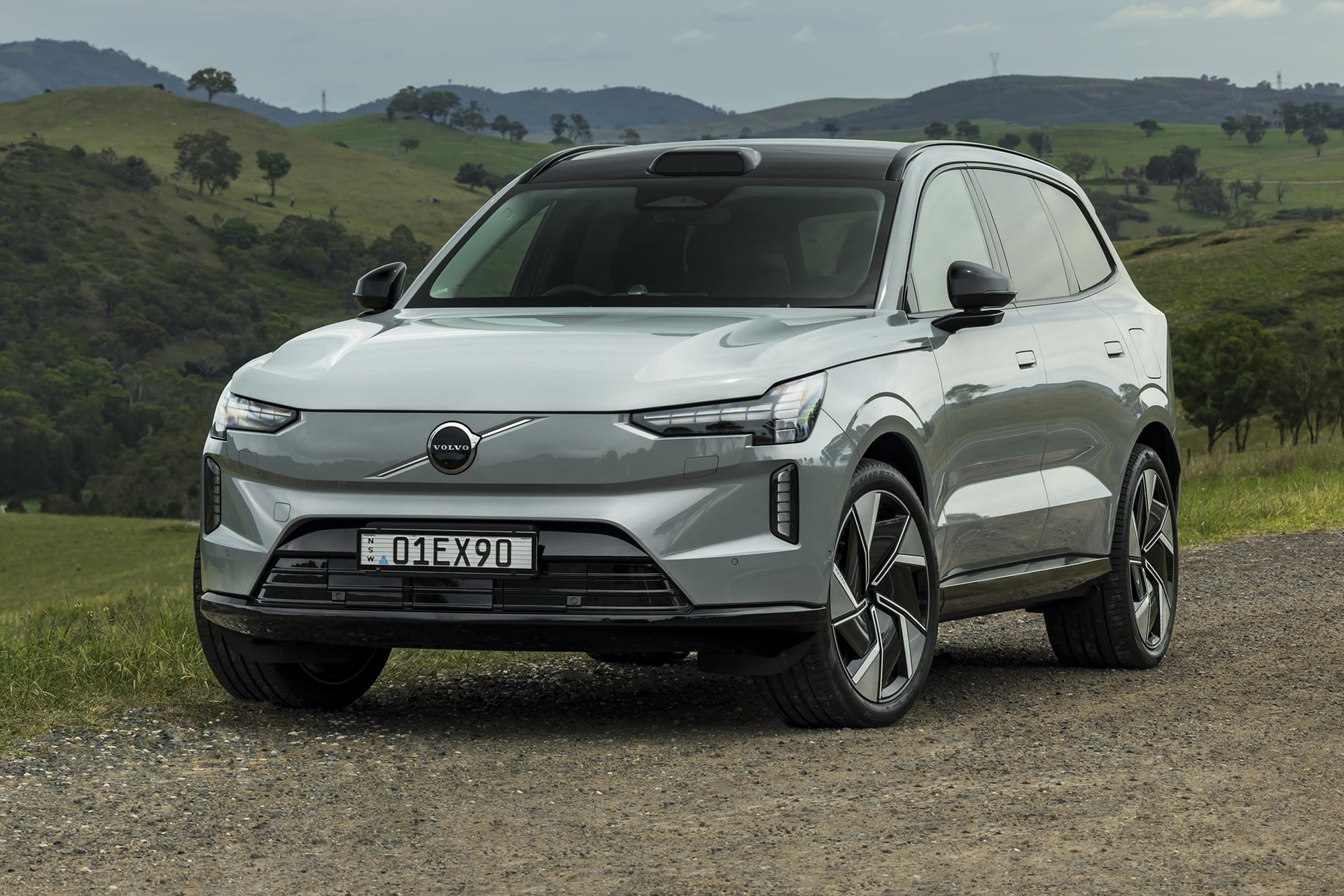
The maintenance of the 3,500 kg limit represents an immediate commercial barrier to the arrival of a new generation of SUVs and large electric pickup trucks in the Brazilian market. Luxury family vehicles, such as the Volvo EX90 (with 3,390 kg of GVW) and the Mercedes-Benz EQS SUV (3,410 kg), already operate at the extreme limit of the legal margin.
On the other hand, coveted electric SUVs such as the Ford F-150 Lightning and the Tesla Cybertruck easily exceed the 3,600 kg barrier. Under the current traffic rule, driving these pickup trucks — even for recreational purposes — would require a category C driver’s license, a license strictly aimed at truck drivers.
Despite the progress in the committee, the proposal will still go through a certain process. The bill needs to be analyzed by the Constitution and Justice Commission (CCJ) and, subsequently, approved by the plenaries of the Chamber and the Federal Senate before going to presidential sanction and entering into force.



