With more than 223 thousand registrations in 2025, the market faces a "blackout" of technicians capable of dealing with high-voltage systems and software
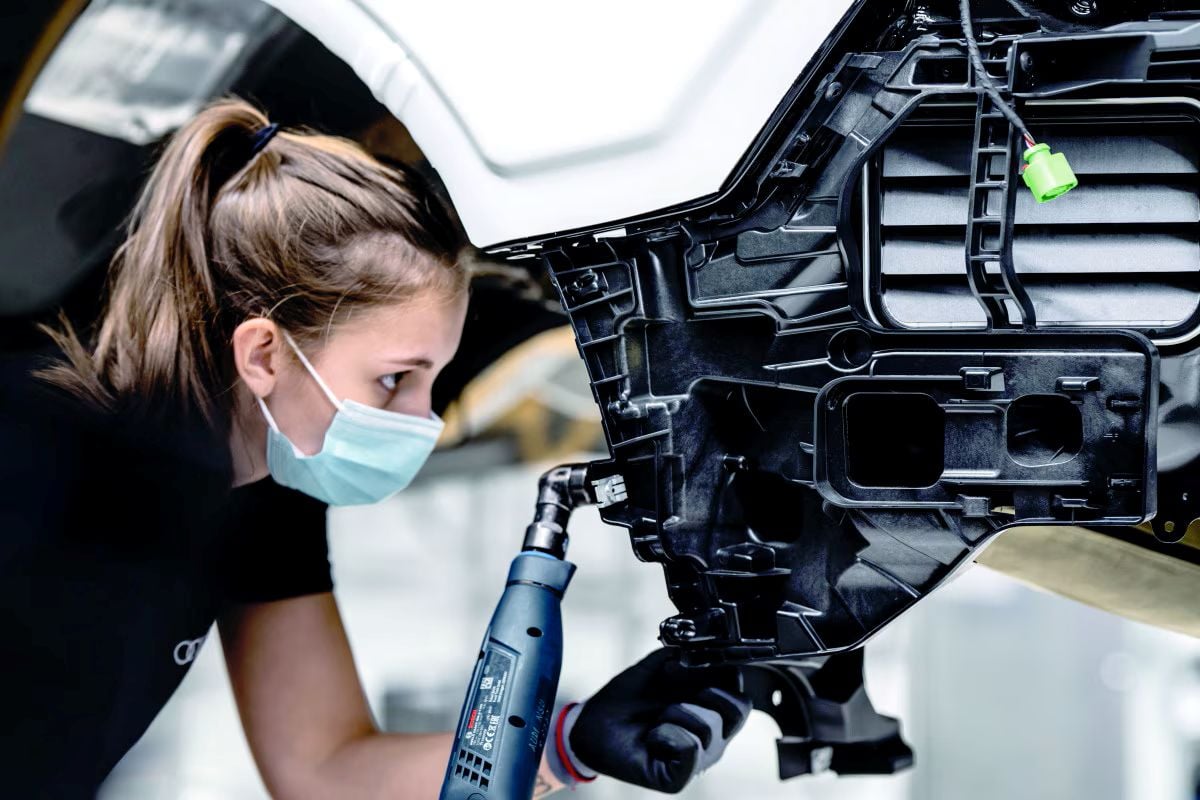
The advance of electrification in the Brazilian automotive market comes up against a structural bottleneck: the shortage of qualified professionals for preventive and corrective maintenance. The rapid growth of the fleet, which registered more than 223 thousand registrations in 2025 according to the Brazilian Electric Vehicle Association (ABVE), was not accompanied by the technical training necessary to deal with the particularities of the new models.
The scenario poses a critical challenge for independent bodyshops. Unlike traditional internal combustion mechanics, electrified vehicles require mastery of high-voltage systems, power electronics, and complex digital diagnostics. For many repair professionals, the handling of components such as traction batteries and embedded software is still uncharted territory with a high technical and safety risk.
SEE ALSO:
According to Alexandre Xavier, superintendent of the Automotive Quality Institute (IQA), in an interview with the magazine O Mecânico, the mismatch between technology and labor is evident. Xavier points out that the repair sector needs urgent investments in continuous training to keep up with the new engine. Without this, the energy transition risks suffering a crisis of confidence in the aftermarket.
The complexity requires specific knowledge in modules such as the BMS (Battery Management System), inverters and thermal management systems. Although the IQA offers courses in safety and electronics, the offer of training still occurs at a pace lower than the demand on the streets. As a direct consequence, consumers face higher maintenance costs and extended repair times — factors that generate insecurity among new owners of battery vehicles.
For the market, the solution involves standardizing certifications and updating diagnostic tools. While the sector seeks this balance, specialized maintenance remains concentrated in a few elite dealerships and workshops, limiting access and making electric vehicle ownership more expensive in the country.



