Research shows that only 100% electric vehicles guarantee a structural carbon reduction; mild hybrids reach 228 g of CO₂ per km.
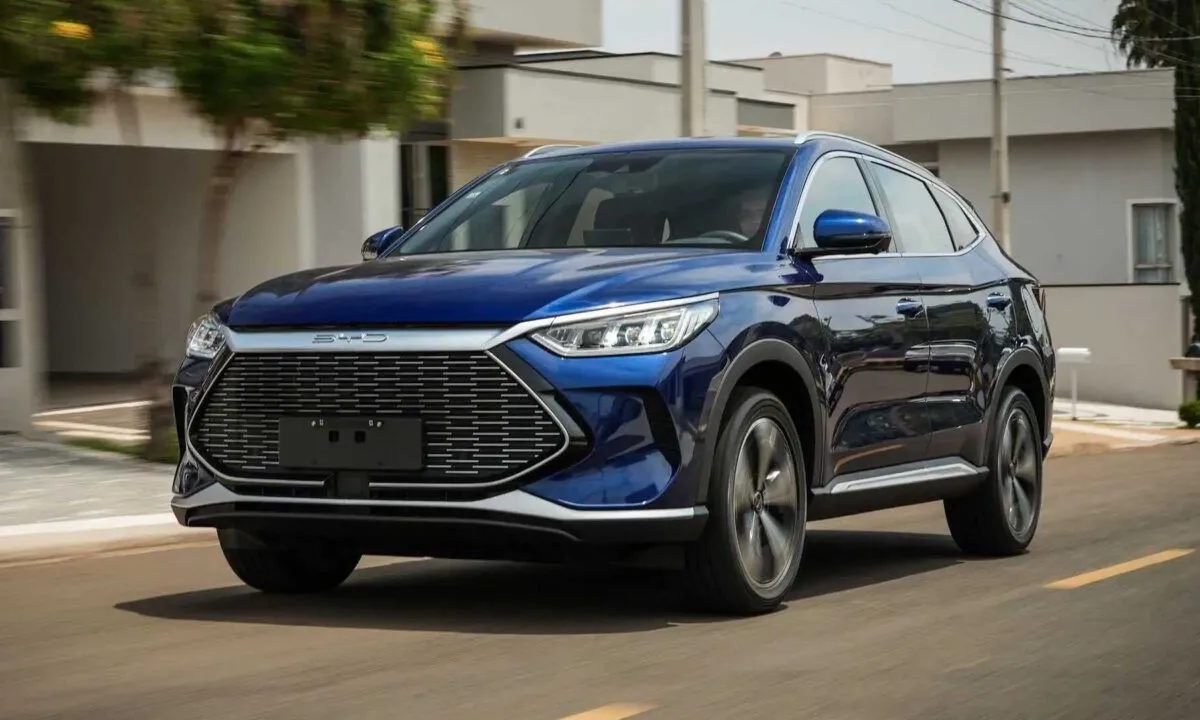
A new survey by the International Council on Clean Transportation (ICCT) reveals that different automotive electrification technologies deliver very different results in carbon dioxide (CO₂) emissions in Brazil. The analysis, structured based on the guidelines of the Mover Program, concludes that the environmental gap between the models is not only gradual, but structural, placing 100% electric cars at an isolated level of efficiency.
According to the data, fully battery-powered vehicles (BEVs) record an average of only 13 g of CO₂ equivalent per kilometer driven. This calculation considers the rigorous “well-to-wheel” cycle, a metric that encompasses emissions from energy generation to final consumption by the vehicle. The exceptionally low number is explained by the high efficiency of electric motors combined with the Brazilian energy matrix, which is largely renewable and less carbon-intensive.
SEE ALSO:
The scenario changes when analyzing hybrids. Plug-in models (PHEVs), which can be charged at the socket, have an average of 74 g CO₂e/km – about 28% below conventional flex-fuel vehicles. The ICCT, however, makes an important caveat: the electric mode usage metrics considered by Mover are optimistic. In practice, if the owner does not plug the car into the socket regularly, this environmental advantage quickly diminishes.
In conventional hybrids (HEVs), which do not go into the socket, the fuel dictates the rules. Flex models mark about 78 g CO₂e/km, but versions powered purely by gasoline reach 107 g CO₂e/km, touching the levels of traditional combustion vehicles. Ethanol is the balance in the domestic market, although its use is directly influenced by the fluctuation of prices at the pumps in the different regions of the country.
At the bottom of the efficiency ranking are mild hybrids (MHEVs), with averages jumping to 177 g CO₂e/km in gasoline options and 228 g CO₂e/km in diesel versions. Part of this poor performance is linked to the profile of these vehicles, generally larger and heavier SUVs. The data verdict indicates that while partial electrification offers incremental reductions in emissions, the true structural carbon drop remains tied to the transition to all-electric vehicles.



