Research reveals that coffee and cold showers do not cancel out the effects of hangovers, which affect driving as much as a prohibited level of alcohol in the blood
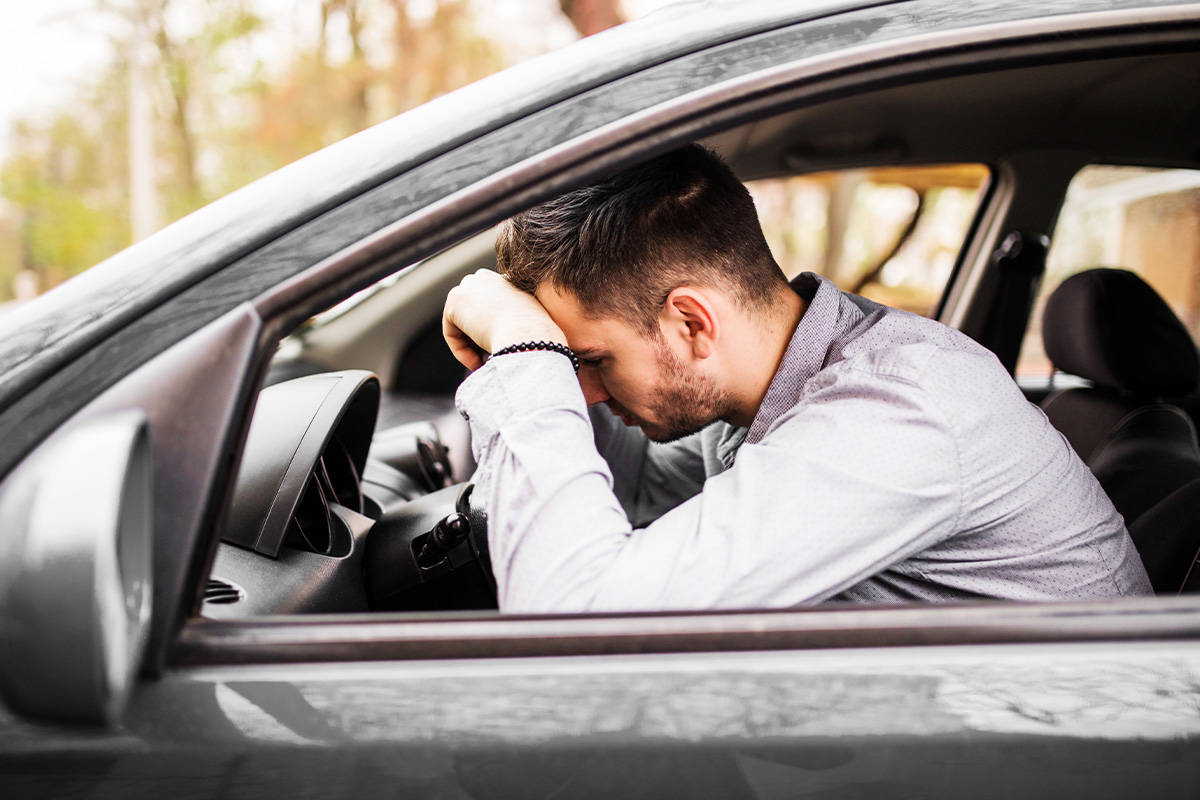
A recent report on the Today program brought to light an often overlooked road safety debate: the risk of getting behind the wheel under the influence of a hangover. The premise, corroborated by experts, is that the absence of alcohol in the blood the day after the binge does not guarantee that the driver’s psychomotor skills will be restored.
To materialize the physical effects of this condition, the report subjected journalist Vicky Nguyen to a practical driving test using a “hangover suit”. The equipment, developed by the Meyer-Hentschel Institute in partnership with Ford, weighs about 17 kilograms and is designed to sabotage the user’s senses.
Vest, weights on the wrists and ankles, as well as glasses with special lights and headphones, simulate symptoms such as extreme fatigue, dizziness, throbbing headache and sensory hypersensitivity. The practical result was erratic driving, with drastically reduced reaction time.
SEE ALSO:
The visual experiment reflects solid academic data: a study conducted by Utrecht University in the Netherlands monitored 48 volunteers and found that undertow drivers had a significant increase in oscillation between lanes and dangerous speed variations. The researchers’ conclusion is alarming: the performance of these drivers – even sober in the breathalyzer test – was comparable to that of people with a blood alcohol concentration between 0.05% and 0.08% (the legal limit in many countries is 0.05% or zero tolerance, as in Brazil).
The condition is aggravated by sleep deprivation, a common side effect after drinking alcoholic beverages, which further impairs attention. Traffic experts warn that hangovers must be treated with planning, debunking popular myths: strong coffee, iced showers or energy drinks do not speed up the metabolism of alcohol or restore cognitive functions.
Data from the UK Department of Transport reinforce the seriousness of the issue, pointing out that residual alcohol consumption is associated with hundreds of accidents annually. The guidance is technical and direct: in the face of symptoms such as blurred vision, excessive tiredness or headaches, the only safe measure is not to drive. The human body requires time for full recovery, and the feeling of sobriety does not always correspond to the neurological fitness to cope with traffic.



