Cities in RS and Piauí operate with reduced fleets or suspended services after skyrocketing costs; government zeroes taxes to contain rise
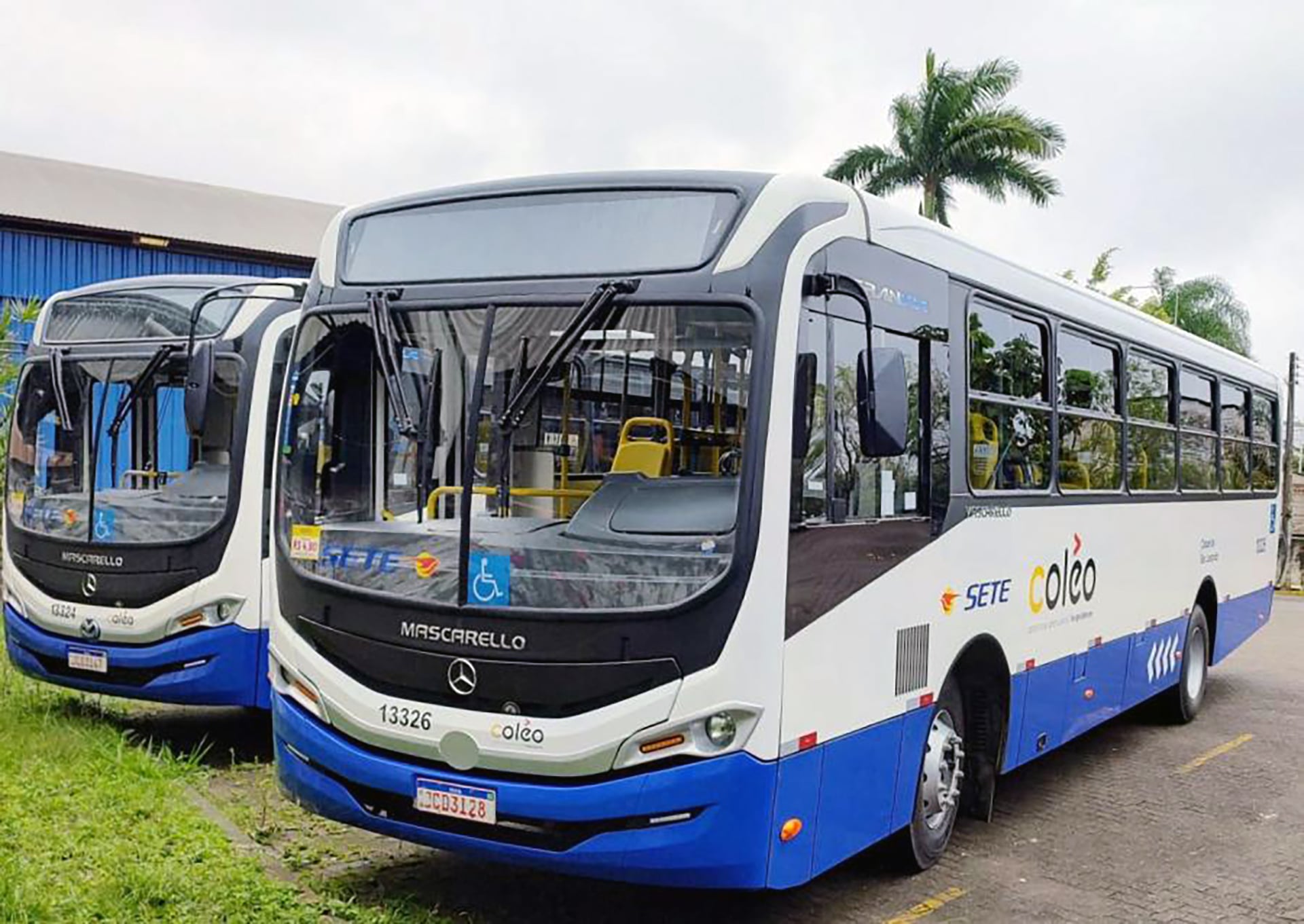
The worsening of tensions in the Middle East, involving the United States, Israel and Iran, triggered a shortage crisis and strong pressure on diesel fuel prices, impacting the operation of public transport in several Brazilian cities. The scenario of international instability accelerated Petrobras’ price adjustment – which did not contain the rise in fuel, leading city halls and concessionaires to adopt contingency regimes to avoid the total collapse of essential services.
Municipalities in different regions of the country have already announced drastic adjustments, according to the Diário do Transporte. In São Leopoldo (RS), the city hall decreed an emergency regime and confirmed the total suspension of bus circulation last Sunday (15), justified by the interruption in fuel deliveries. Other cities in Santa Catarina, such as Florianópolis, Itajaí and Joinville, also face logistical difficulties, with companies operating with critical inventories.
SEE ALSO:
In the Northeast, Teresina (PI) recorded a 30% reduction in the circulating fleet. According to local operators, the price of diesel has accumulated an increase of close to 50%, making it impossible to fully maintain the lines. To mitigate the impact, the federal government implemented a tax relief package, zeroing out the PIS/Cofins rates and adding a direct subsidy. Together, the measures guarantee a discount of R$ 0.64 per liter.
Last Saturday (14), Petrobras applied a discount of R$ 0.38 on diesel A. With the state intervention, the company’s president, Magda Chambriard, said that the real increase for distributors was only R$ 0.06, classifying the value as “derisory” in view of the volatility of the barrel of oil. However, the physical shortage of the product in the refineries continues to be the main bottleneck for city halls, which seek to avoid new cuts in the timetables during the week.



