With hybrid Urus and the arrival of Temerário, the brand exceeds expectations; Plans for a 100% electric car, however, have been postponed
Lamborghini consolidated a historic commercial performance in 2025, ignoring any sign of a slowdown in the luxury market. The Italian brand delivered 10,747 units globally, surpassing the previous record and maintaining a continuous upward trajectory. The volume represents a significant leap for the automaker, which practically tripled its sales compared to 2015, when it sold about 3,200 vehicles per year.
The result reflects the acceptance of the brand’s electrification strategy, which has not scared away purists. Growth was mainly driven by the Europe, Middle East and Africa region, which led with 4,650 registrations, followed by the Americas (3,347) and the Asia-Pacific region (2,750).
SEE ALSO:
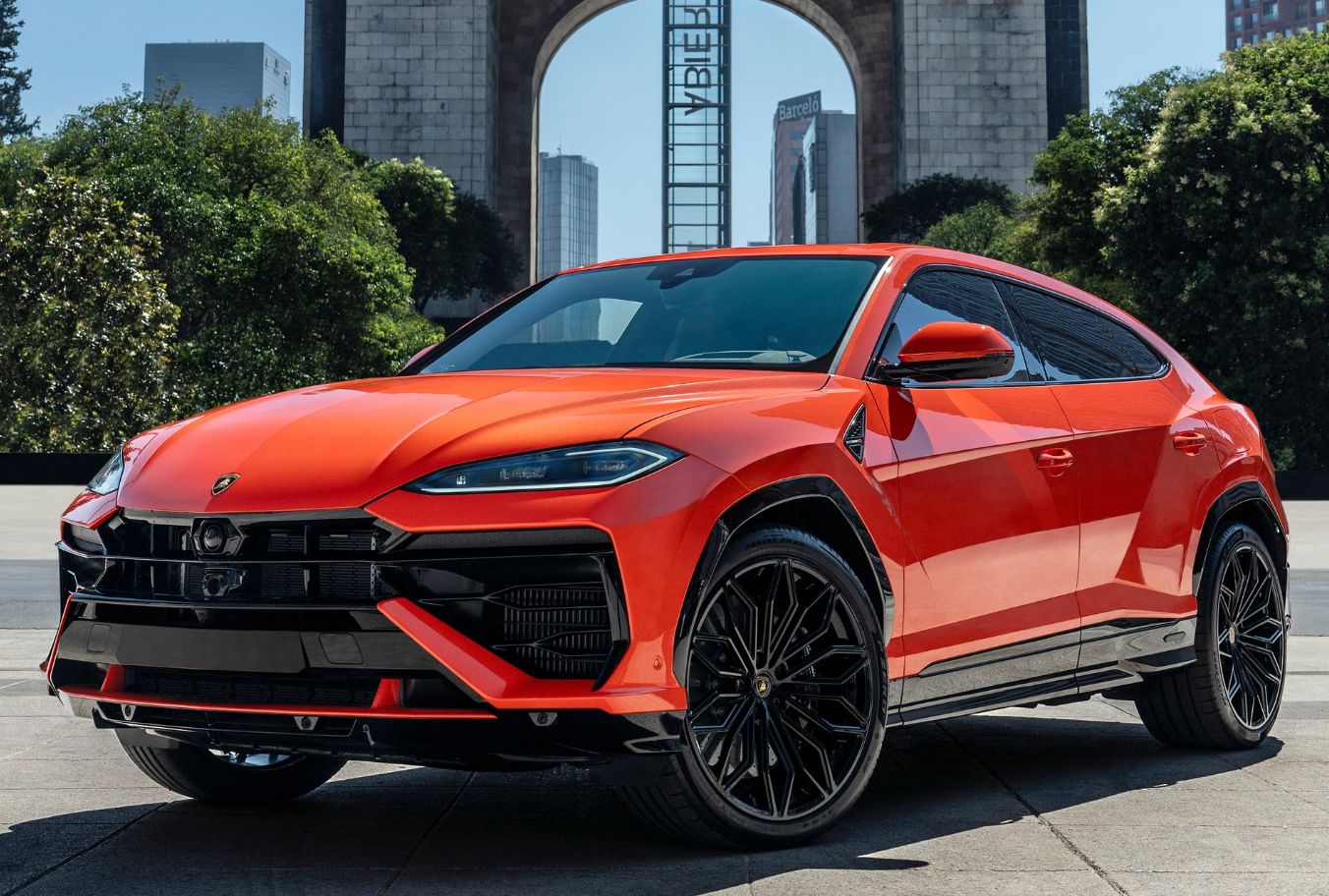
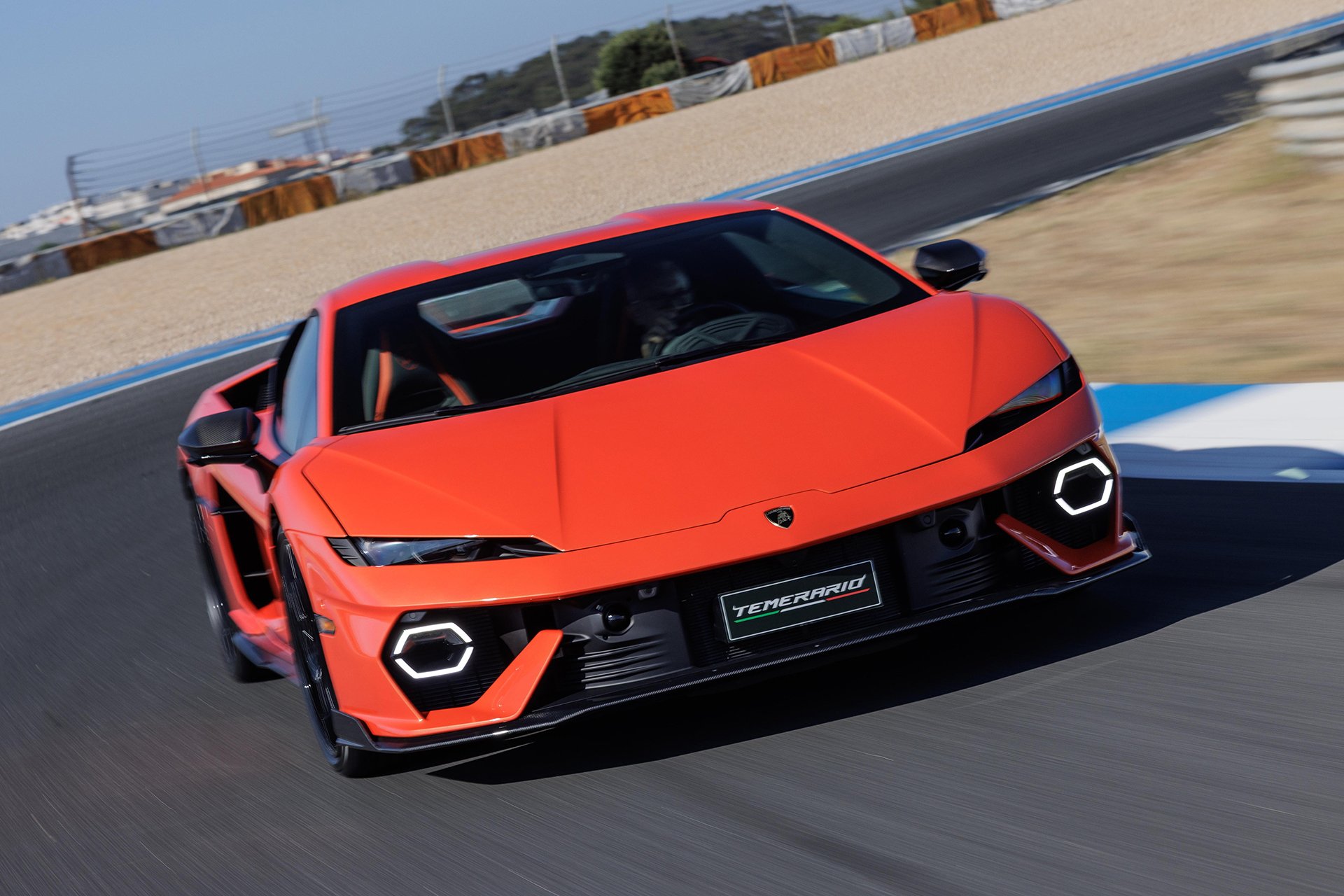
Although Lamborghini does not detail numbers by version, the leading role continues with the Urus SUV, now marketed exclusively as a plug-in hybrid (SE version). The year 2025 also marked the company’s technical transition: it was the first full sales cycle of the Revuelto, the V12 hybrid successor to the Aventador, which already has a two-year waiting list. In addition, the period saw the arrival of the Temerario, a twin-turbo V8 hybrid super sports car that retired the iconic Huracán and its V10 engine.
Despite the success with hybrids, Lamborghini has reassessed the speed of its transition to 100% electric models, aligning with a trend of caution in the automotive sector.
The brand’s CEO, Stephan Winkelmann, signaled that the launch of the Lanzador — expected to be the company’s first EV in 2029 — may undergo schedule or even engine changes, depending on global demand. The confirmation, for now, is that the next generation of the Urus, also expected by the end of the decade, will maintain plug-in hybrid technology, ensuring the survival of the combustion engine in the company’s front line.



