End of incentives under the Trump administration and technological lag threaten to downgrade American industry in the global market, while China soars
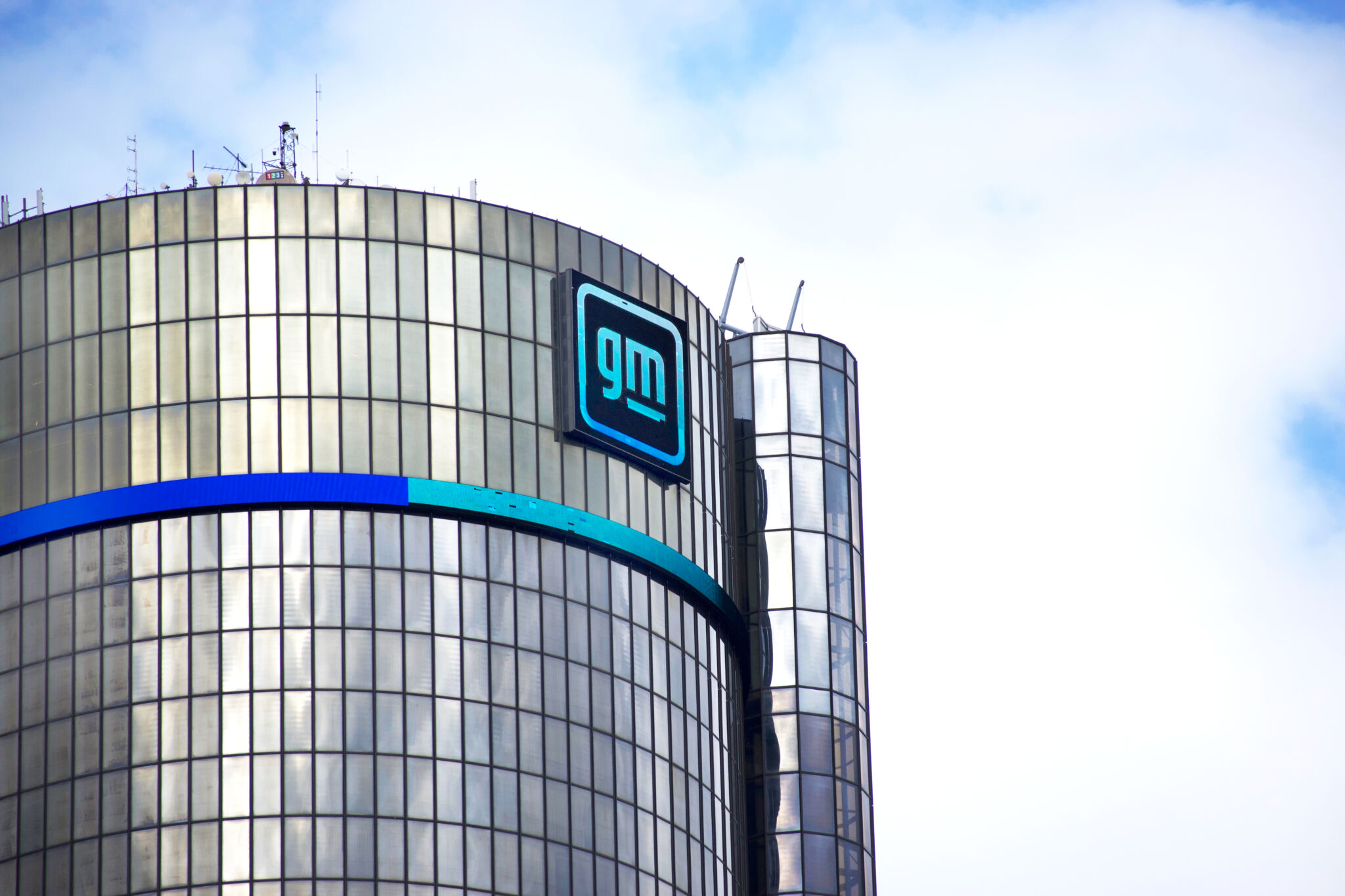
The three Detroit giants — Ford, General Motors and Stellantis — accumulate losses of more than $50 billion in their electric vehicle divisions, amid a dismantling of environmental policies in the United States. The scenario, aggravated by the recent end of federal incentives promoted by the Donald Trump administration, threatens to downgrade the once pioneering American automotive industry to a supporting role in the global market.
The multibillion-dollar hole is the price charged for years of hesitation, according to an analysis by The Verge. While competitors innovated with dedicated platforms, traditional automakers prioritized adapting existing combustion models, resulting in expensive and technologically outdated electric vehicles.
The bill came in the form of severe write-downs: Ford suffered a loss of US$ 19.5 billion and ended production of the F-150 Lightning pickup; GM recorded losses of US$ 7.6 billion; and Stellantis led the setback with US$ 26.6 billion.
SEE ALSO:
In the political field, the energy transition has come to a sudden halt. President Trump has phased out the vital $7,500 tax credit for consumers and loosened emissions rules. The Environmental Protection Agency (EPA) even overturned the climate “hazard finding” that had underpinned federal standards since 2010. California, a traditional green stronghold, is now fighting a legal battle to maintain its regulatory autonomy. The impact on dealerships was immediate: in the quarter following the bonus cut, GM’s electric sales plummeted 43%.
While the American domestic market retreats and stagnates in the range of 10% share for electric vehicles, the external scenario advances at a fast pace. In 2025, the world registered 20.7 million electric vehicles — a huge jump from the 3 million registered in 2020.
The global contrast is dictated by China, which injected up to US$ 250 billion into its production chain and saw the adoption of electric vehicles hit 50% in domestic sales. Protected at home by tariff barriers, U.S. automakers now face an existential dilemma: abandon electrification and lose international relevance, or sustain losses to try to compete in the new automotive order, dominated by Asian giants such as BYD and Xiaomi.



