Reflection of the crisis in Iran, fuel shortage paralyzes works and threatens the flow of the Rio Grande do Sul crop; City halls prioritize transportation in health.
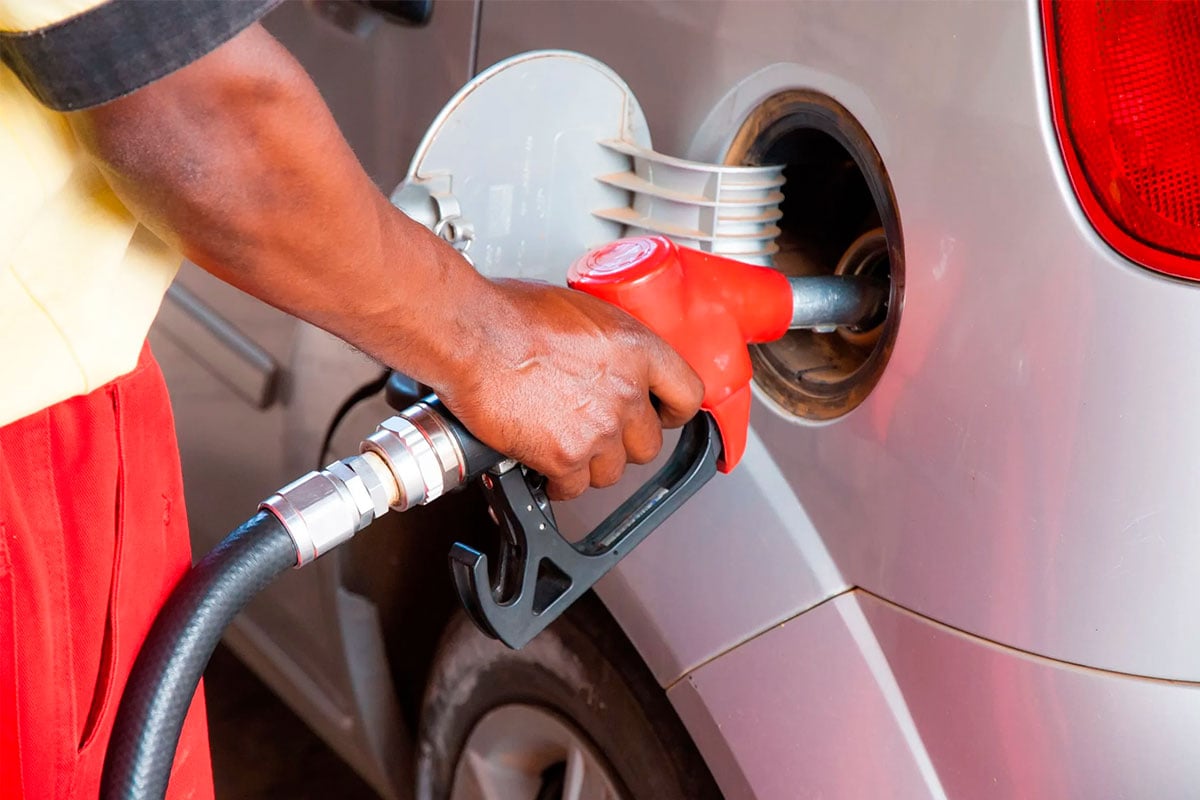
The worsening of the conflict in Iran and the partial closure of the Strait of Hormuz — the route for the flow of about 30% of the world’s oil — already impose more drastic consequences on Brazil. In Rio Grande do Sul, the shortage of diesel led municipalities to declare an emergency situation, threatening the provision of essential public services and putting at risk the flow of the agricultural harvest.
SEE ALSO:
The scenario exposes the logistical vulnerability of the interior of Rio Grande do Sul in the face of international instability. The municipalities of Formigueiro and Tupanciretã, for example, made an emergency situation official on March 17 and 19, respectively. In Formigueiro, the warning of the Municipal Executive is clear: the lack of fuel compromises machinery and agricultural transport, which can result in irreversible losses for local production.
A recent survey by the Federation of Associations of Municipalities of Rio Grande do Sul (Famurs) measures the size of the problem. Of the administrations that responded to the entity’s survey, 142 confirmed facing diesel shortages in their fleets, equivalent to 45% of the sample.
With the tanks in the reserves, the municipalities adopted strict rationing protocols. The transport of patients undergoing health treatment has become an absolute priority. On the other hand, public works and maintenance services that depend on heavy machinery were paralyzed. Famurs also warns that, if the offer is not restored in the coming days, school transport will be the next to stop, affecting the school year of hundreds of students.
In an attempt to curb the shortage, the National Petroleum Agency (ANP) and distributors say that the situation is in the process of recovery. Emergency regulatory measures and an auction promoted by Petrobras allowed cargo to be directed to the metropolitan region of Porto Alegre. For the municipalities in the interior, the expectation is that the flow will gradually normalize by the end of March. The president of Famurs, Adriane Perin de Oliveira, demanded agility from the Federal Government to shield cities against the risk of an imminent collapse.



