Ground operation of the mining terminal replaces diesel vehicles with an electric fleet, avoiding the release of 720 tons of pollutants per year
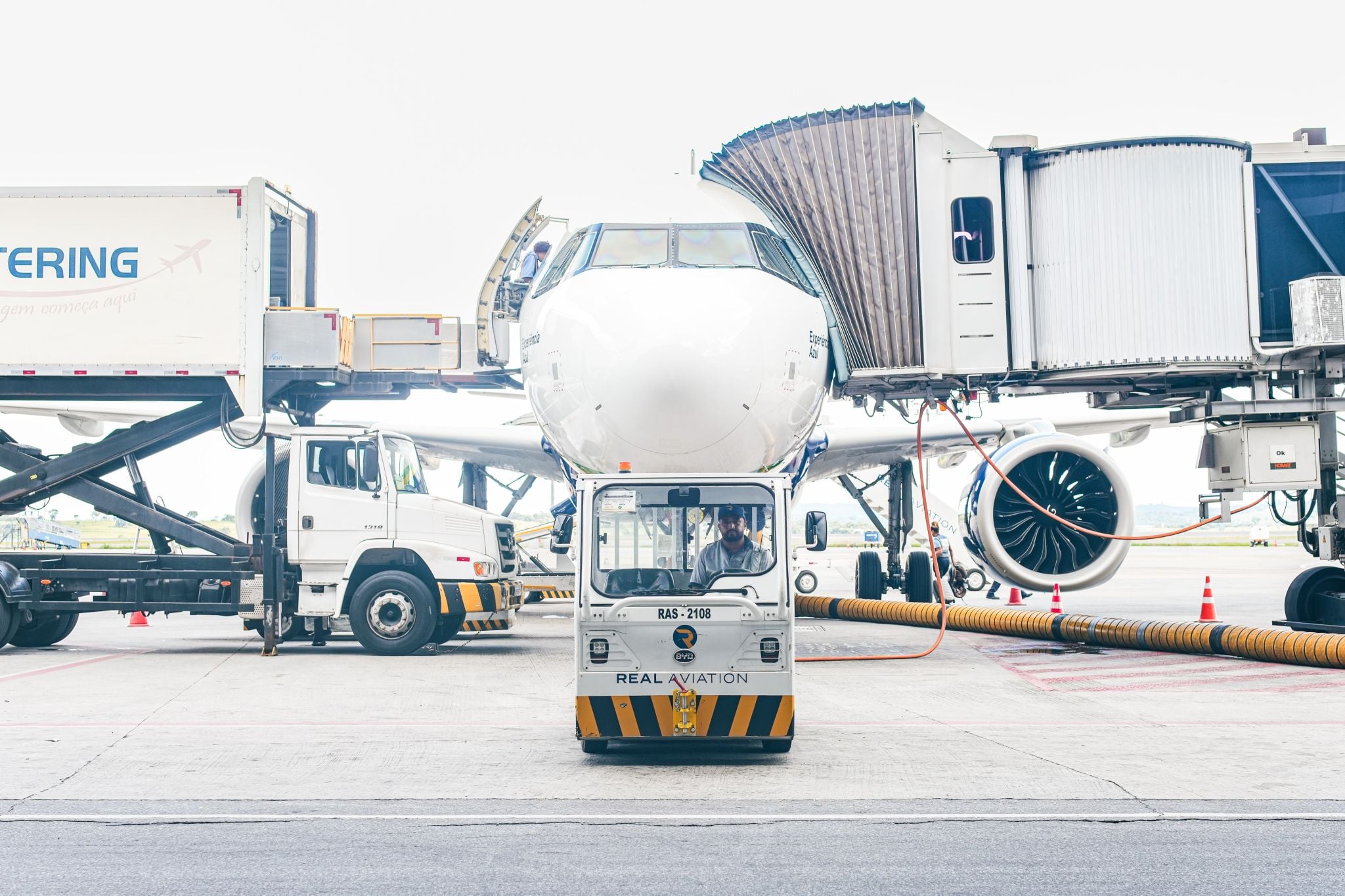
Confins International Airport, in the Metropolitan Region of Belo Horizonte (MG), has just taken a significant step towards the decarbonization of its ground activities. The terminal’s ground handling operation now has massively electrified machinery, in a project led by Real Aviation Services. The logistics transition aims to mitigate environmental impacts in the airline industry and promises to reduce the emission of more than 720 tons of carbon dioxide (CO₂) annually.
SEE ALSO:
The modernization of the fleet involves the incorporation of 20 new 100% electric aircraft tugs of the BYD Green-Tug Q250LS model, in addition to 15 baggage belts also powered by electricity. The replacement of traditional diesel machinery is considered highly strategic for the airport: it is estimated that a single conventional combustion tug is responsible for releasing up to 36 tons of pollutants into the atmosphere each year.
Electrification is not exactly new for the service provider, which claims to have already operated with about 90% of its fleet electrified since 2022. However, the new wave of vehicles consolidates Confins as one of the terminals with the cleanest lane operation in the country.
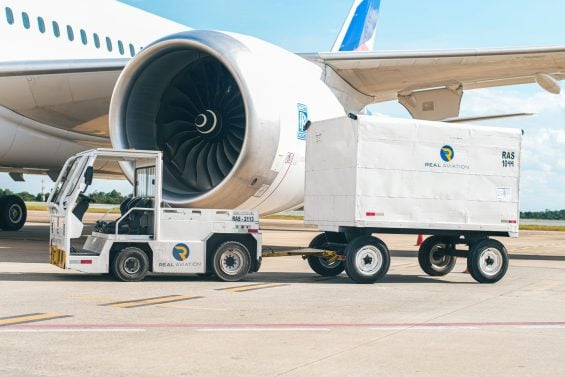
In addition to the strong environmental appeal, the change in energy matrix brings direct benefits to the airport’s routine. Electric vehicles ensure greater efficiency in the movement of aircraft, lower noise level and drastically reduce the need for corrective maintenance, extending the availability time of the machines.
For Fred Vilaronga, CEO of Real Aviation, the initiative transcends the ecological obligations stipulated by the sector. “The electrification of our fleet reinforces our commitment to innovation. We are showing that it is possible to combine high operational performance with a real and positive impact”, evaluates the executive.



