Senatran data show a jump to 1.7 million requests with new rules; Practical exam without mandatory marker also attracts candidates
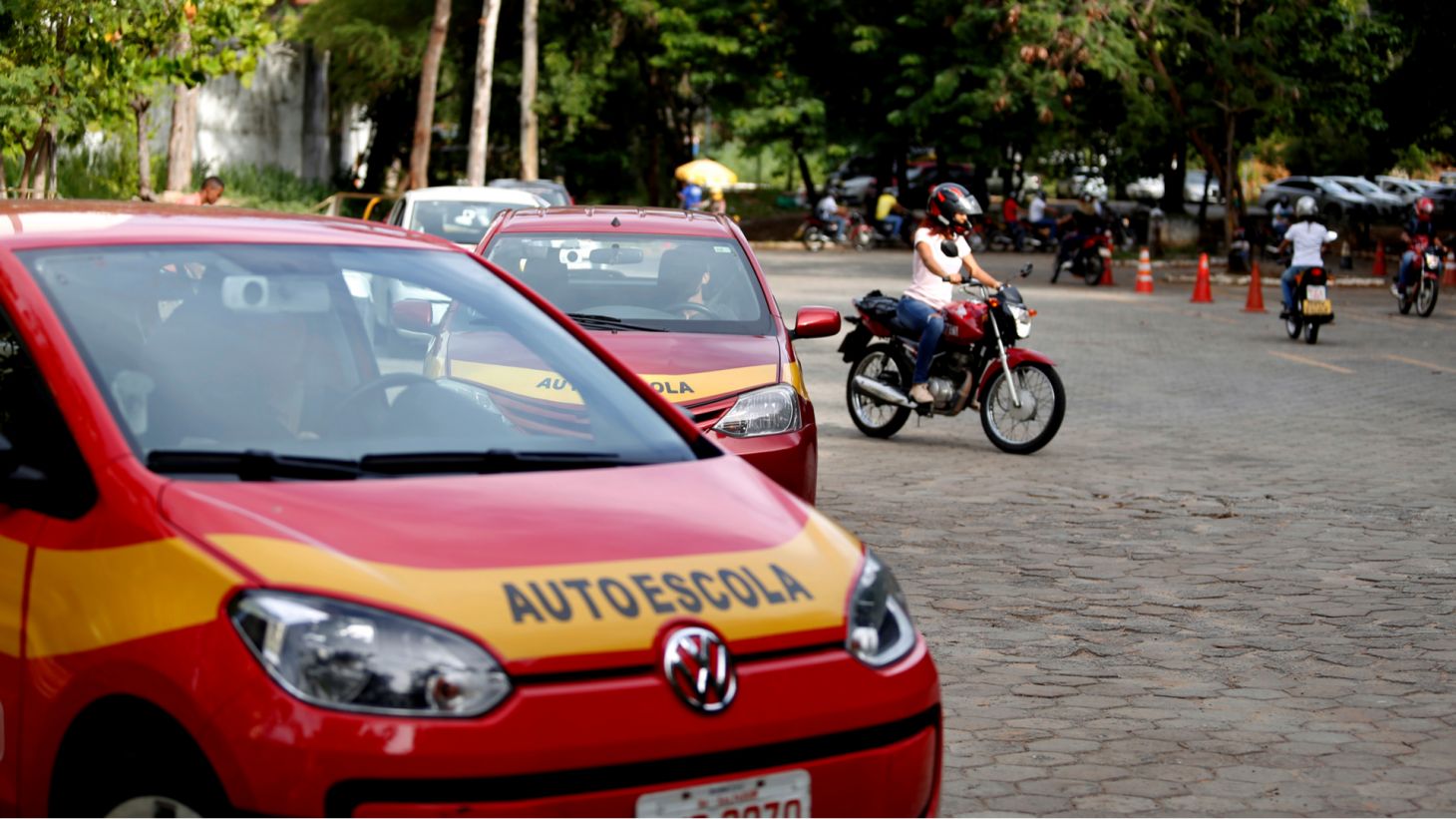
The entry into force of the new rules for obtaining the National Driver’s License (CNH) caused a rush to traffic agencies in early 2026. Driven by the “CNH do Brasil” program, which relaxed historical driver’s license requirements, the volume of requests skyrocketed: there were 1.7 million requests in January alone, compared to 369.2 thousand in the same month of the previous year. The data, released this Tuesday (3) by the National Traffic Secretariat (Senatran), confirm a pent-up demand that was waiting for the reduction of bureaucracy and costs.
The main driver of this growth was the breaking of the monopoly of driving schools (CFCs). Since December 2025, the candidate is no longer required to attend formal education at these institutions to take the exams, and can opt for accredited autonomous instructors — a category that has already accounted for almost 25 thousand practical courses in the period — or take theoretical and practical tests directly. The impact was immediate: the completion of theoretical courses more than quadrupled, registering an increase of 319%.
SEE ALSO:
In addition to the financial issue, the change in the format of the practical assessment, in force since February 1, attracted new candidates. The new Brazilian Manual of Vehicle Driving Tests extinguished the dreaded mandatory beacon and started to allow the use of vehicles with automatic transmission. The evaluation model has become more pragmatic: approval now depends on a negative score (a limit of 10 points based on the Brazilian Traffic Code), and no longer on a rigid checklist of maneuvers.
Under the new guideline, errors that previously caused immediate failure — such as letting the engine “die” — are no longer eliminatory, as long as they do not constitute a safety risk. However, the manual preserves the examiner’s autonomy to interrupt the test if he identifies a lack of control of the vehicle or serious emotional imbalance on the part of the driver.



