ZapCharge tries to reverse the region's structural backwardness by 2030; electrified fleet grows faster than the charging network and creates a bottleneck in Brazil
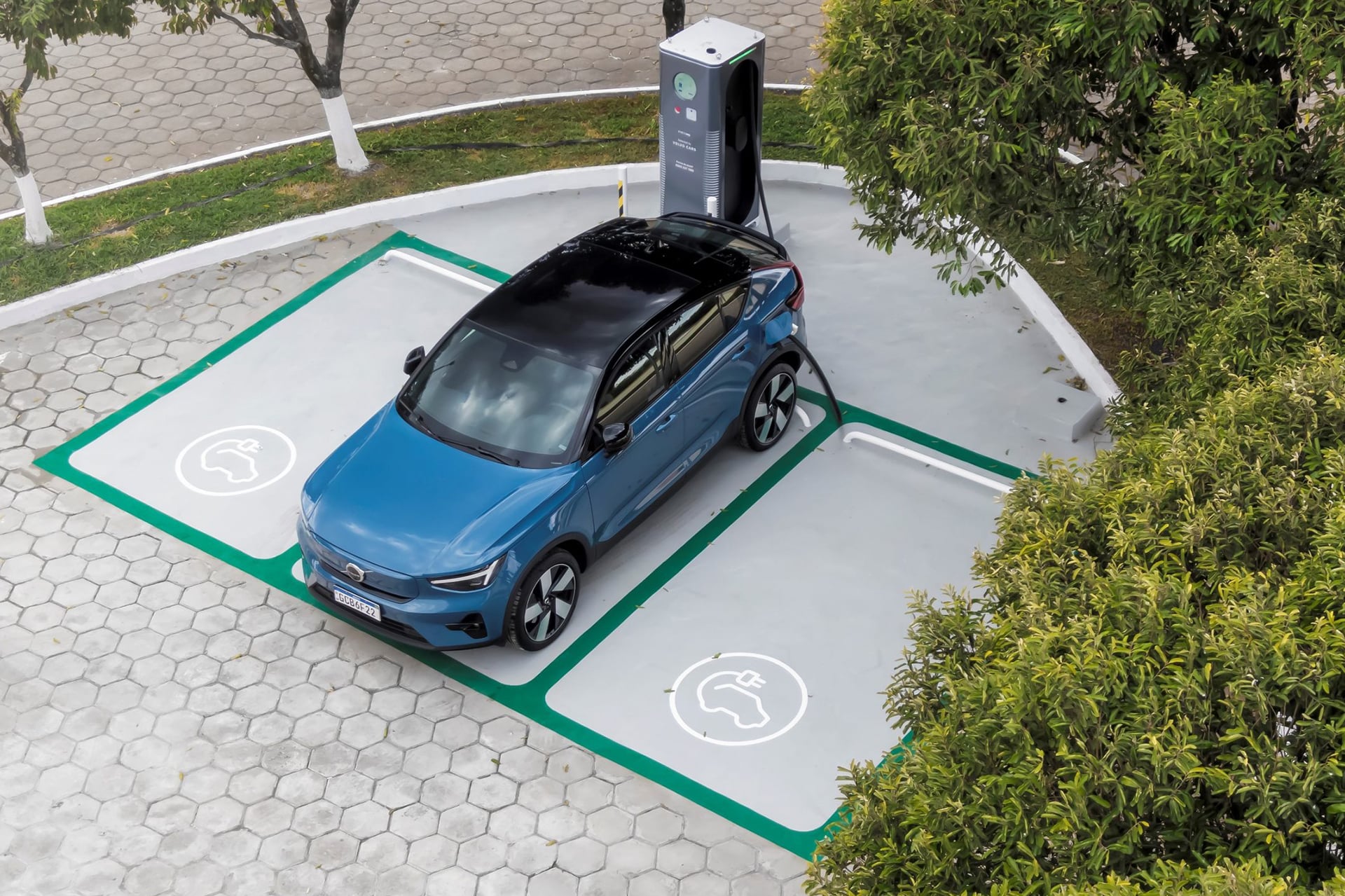
The infrastructure for electric vehicles in Latin America is expected to undergo a radical transformation by the end of the decade. ZapCharge, a subsidiary of the Chinese group Shaanxi Fast Charger, announced a billionaire plan to install 300 chargers in the region by 2030. The initiative seeks to remedy a structural bottleneck that threatens to slow down the expansion of the electrified fleet in Latin American countries, including Brazil.
The company’s schedule establishes an aggressive intermediate goal: to reach 50 thousand operational charging points by 2027. The movement requires investments in the billions of dollars and foresees the creation of dozens of regional bases. The urgency of the measure reflects the current mismatch in the sector: the adoption of electric cars advances faster than the installed charging capacity.
SEE ALSO:
The largest electromobility market in the region, Brazil illustrates this challenge well. The country currently has about 21 thousand public and semi-public points. Although the fast and ultra-fast charging network has grown by a significant 160% in the last year — jumping from 2,400 to 6,400 units and now representing 31% of the national total — the general infrastructure is already operating at its limit.
With electrified models accounting for almost 15% of new light vehicle sales in the Brazilian market, the current ratio is about 20 cars for each charger. In consolidated and more mature markets, the ideal recommended index is 10 vehicles per point.
Latin American expansion, although registering annual growth above 20%, is still very fragmented, concentrated in large centers and dependent on isolated private initiatives. If the current pace is maintained, Brazil should close 2026 with just over 25 thousand points, an insufficient volume to support the transition without generating long queues.



