Driven by luxury brands and hybrid models, the manufacturer surpasses rival by 80 thousand units in February; BYD faces a 36% drop in the period
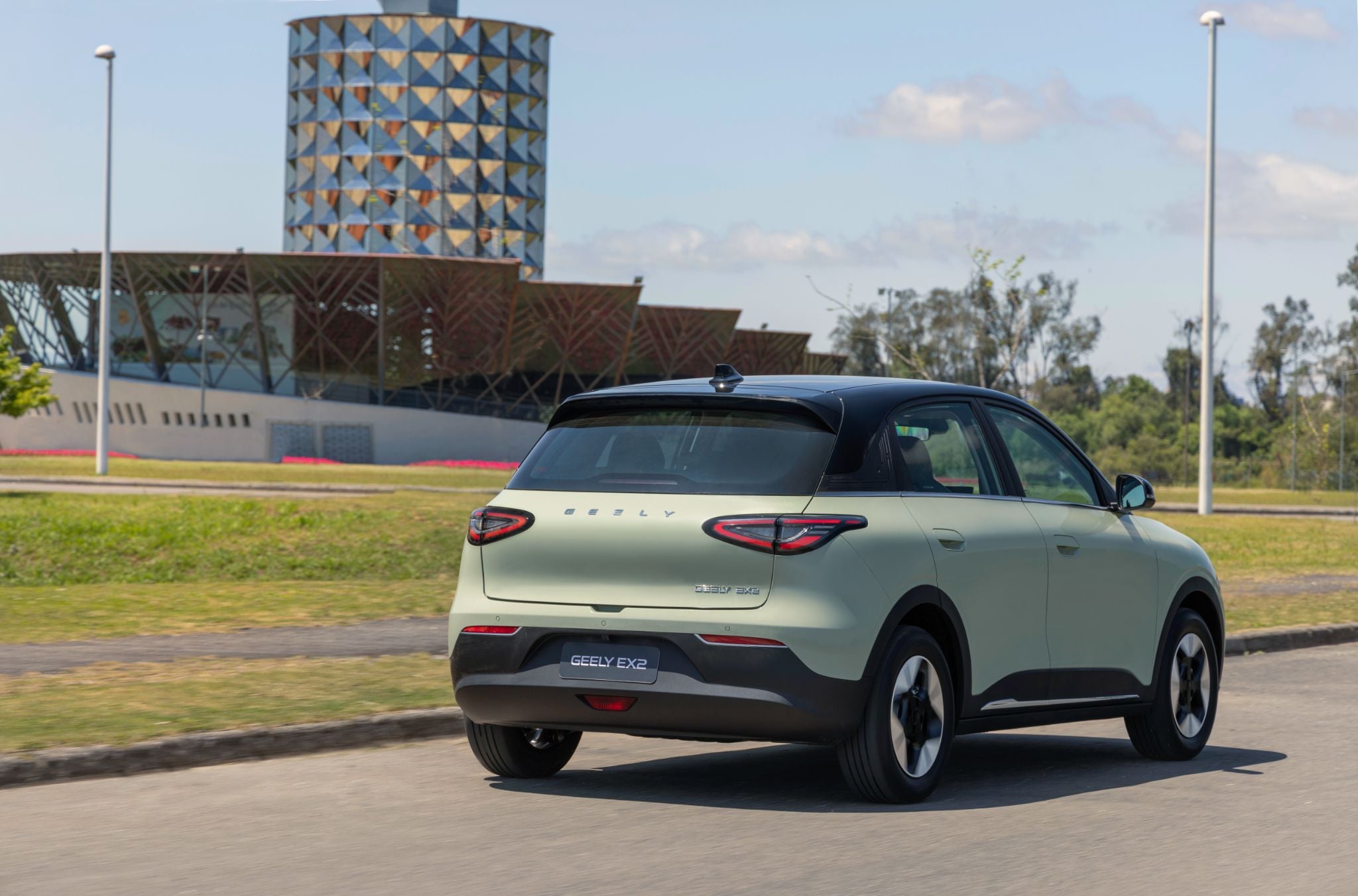
The Chinese market for electrified vehicles registered a change of momentum at the beginning of 2026. Geely consolidated a sales advantage over BYD that had not been seen in nearly four years. The move comes at a time of opposite trajectories: while Geely sustains solid growth supported by its new divisions, the main rival faces a sharp downturn, momentarily altering the correlation of forces in the largest automotive market on the planet.
SEE ALSO:
February’s balance sheets reveal that Geely sold 202,411 vehicles — an 18% jump year-on-year. In the opposite direction, BYD registered 122,311 units, which represents a severe decline of 36.8%. With this performance, the gap between the two manufacturers reached 80.1 thousand units — the largest gap in favor of Geely since the first half of 2022.
Geely’s advance has been anchored by the performance of its premium sub-brands, such as Zeekr, focused on luxury electrics, and the Galaxy line, aimed at new-generation hybrids. The manufacturer also benefited from a strong international presence, which helps mitigate seasonal fluctuations in domestic demand. In addition, the brand’s long-range plug-in hybrid (PHEV) technology has attracted consumers looking to gradually transition to full electrification.

BYD’s significant drop is attributed, in part, to the impact of the Chinese New Year holiday, which interrupted production and logistics lines. Although the company has started an aggressive offensive with the “Honor Edition” line — reducing prices to stifle combustion competitors — the effect on registration sheets is still timid in the short term.
Industry analysts note that the rapid expansion of BYD’s portfolio may be generating an overlap of models, causing internal competition. However, Geely’s leadership will be tested in the coming months. This is because BYD plans to retake the top with the launch of the fifth generation of its DM-i hybrid technology and the global arrival of new high-volume products.



