Cases of occupants trapped in electric vehicles lead government to require system that dispenses electricity to open doors
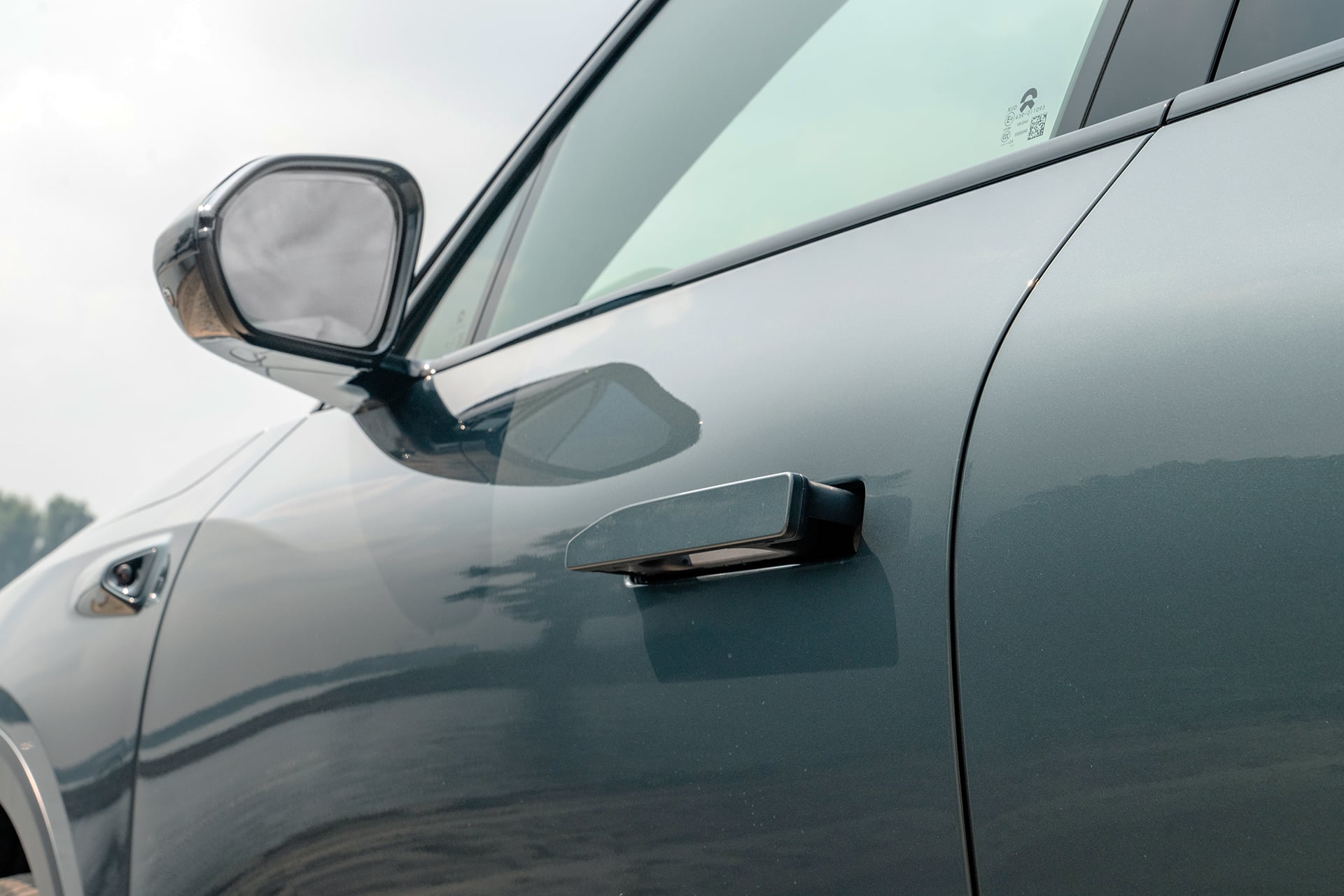
The Chinese government has opened a public consultation to tighten the safety standards applicable to retractable door handles, with a priority focus on electric vehicles. The technical review proposal, open until December 23, is a direct response to high-profile accidents — including cases with the Xiaomi SU7 sedan — in which the doors remained locked after collisions or electrical failures, making it difficult to rescue victims.
The draft text dictates that side doors (with the exception of specific trunk or rear door configurations) must be equipped with externally accessible mechanical release devices. The requirement aims to ensure that the vehicle can be opened manually, without relying on power supply or automatic unlocking systems, which often fail in scenarios of thermal incidents of the batteries.
SEE ALSO:
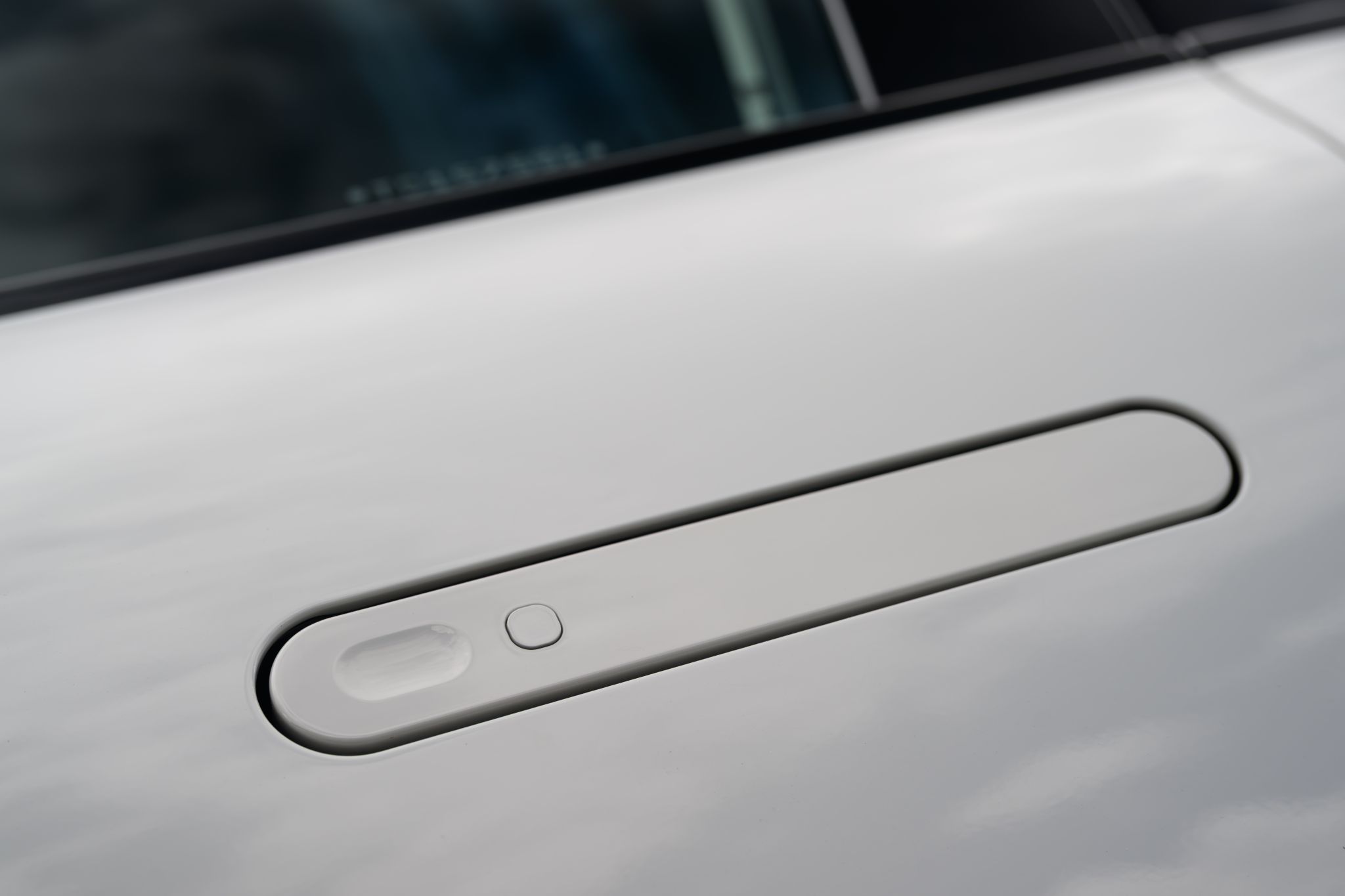
The move directly attacks the trend of flush handles, popular for their clean aesthetics and aerodynamic gain, but criticized for their complexity in emergencies. The design stipulates rigorous strength tests: the external door handles must withstand a tensile force of at least 500 N without breaking. The internal mechanisms will need to operate under a load of 200 N, ensuring functionality even after deformations in the bodywork.

The protocol also includes crash simulations followed by total power cut-off to verify the effectiveness of manual opening. If approved, the rule will have a gradual implementation schedule. For newly homologated vehicles, design requirements will come into effect 13 months after publication. For models that have current approval and are in production, automakers will have a transition period of up to 25 months to adapt their projects to the new safety guidelines.



