With the height of a 14-story building, the vessel breaks a global logistics record and can transport from electric cars to heavy trucks
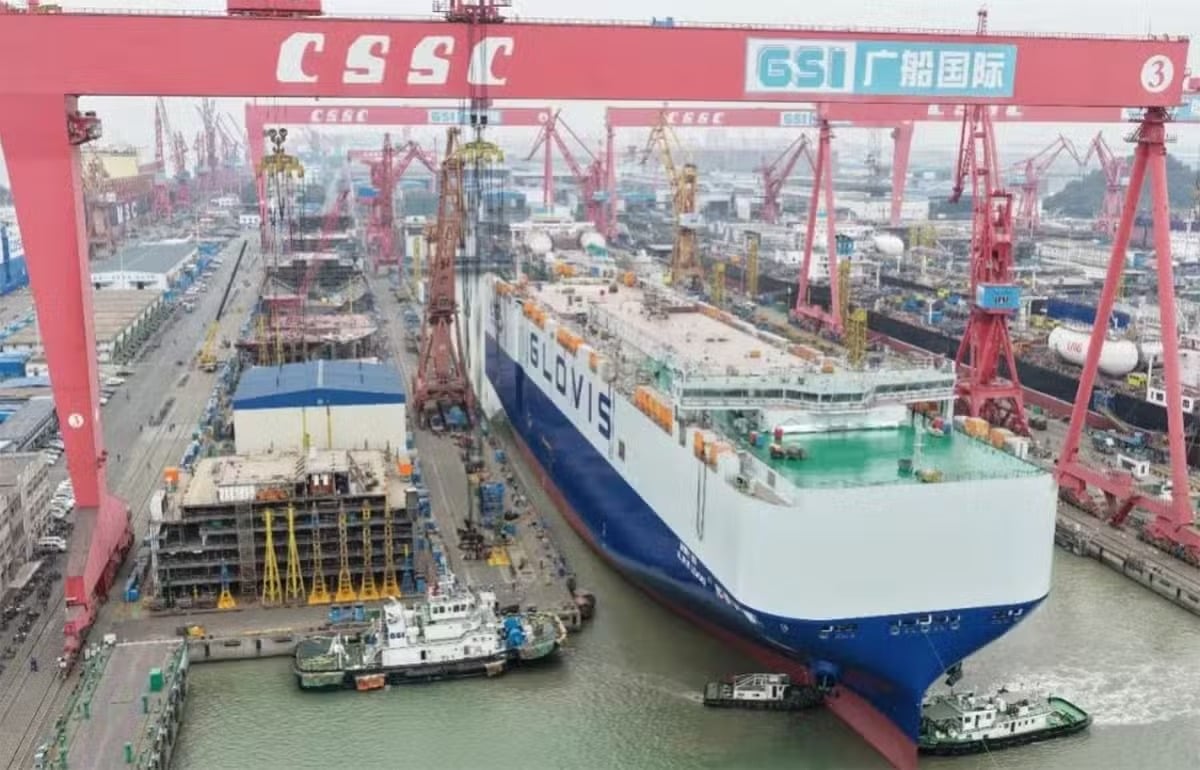
The Chinese shipping industry surpassed its own mark and set a new global record this week with the delivery of the world’s largest vehicle-carrying vessel (called ‘Ro-Ro’ ships). Named “HMM Mir”, the vessel was built by the Guangzhou Shipyard International (GSI) shipyard on behalf of the South Korean company HMM, and carries more than 10,000 cars in a single trip.
SEE ALSO:
With an exact capacity to carry 10,800 vehicles, the new freighter redefines the parameters of the sector, surpassing the 9,000-unit models operated by giants such as Anji Logistics (arm of SAIC Motor) and BYD. There are 14 floors distributed in 230 meters long and 40 meters wide, optimizing every centimeter available for the load.
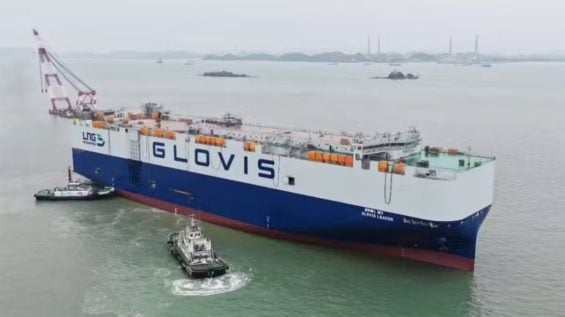
Versatility is the project’s strong point. Of the 14 decks, six are adjustable, allowing the transport of complex cargo, from compact hydrogen cars to heavy-duty trucks and buses. To move this colossus, engineering opted for sustainability: the propulsion system is bi-fuel, operating with Liquefied Natural Gas (LNG) or conventional fuel oil. This configuration ensures autonomy for trips to and from Europe without refueling, in addition to meeting the stringent Tier III emission standards of the International Maritime Organization.
The delivery of the HMM Mir is not an isolated fact, but a sign of China’s leading role in foreign trade. The country now holds more than 70% of global orders for car carriers. This move aims to sustain the aggressive expansion of local automakers: BYD, for example, already operates its own fleet of eight ships to ensure the flow of its electric cars.
To make ships of this size viable, the GSI shipyard had to overcome significant technical challenges, such as the control of deformation in large thin plates. The result reinforces China not only as the largest exporter of cars on the planet, but also as the supplier of the infrastructure necessary for these vehicles to reach Western markets.



