Supreme People's Court decision establishes national guidance and reinforces that assistance systems do not replace the driver
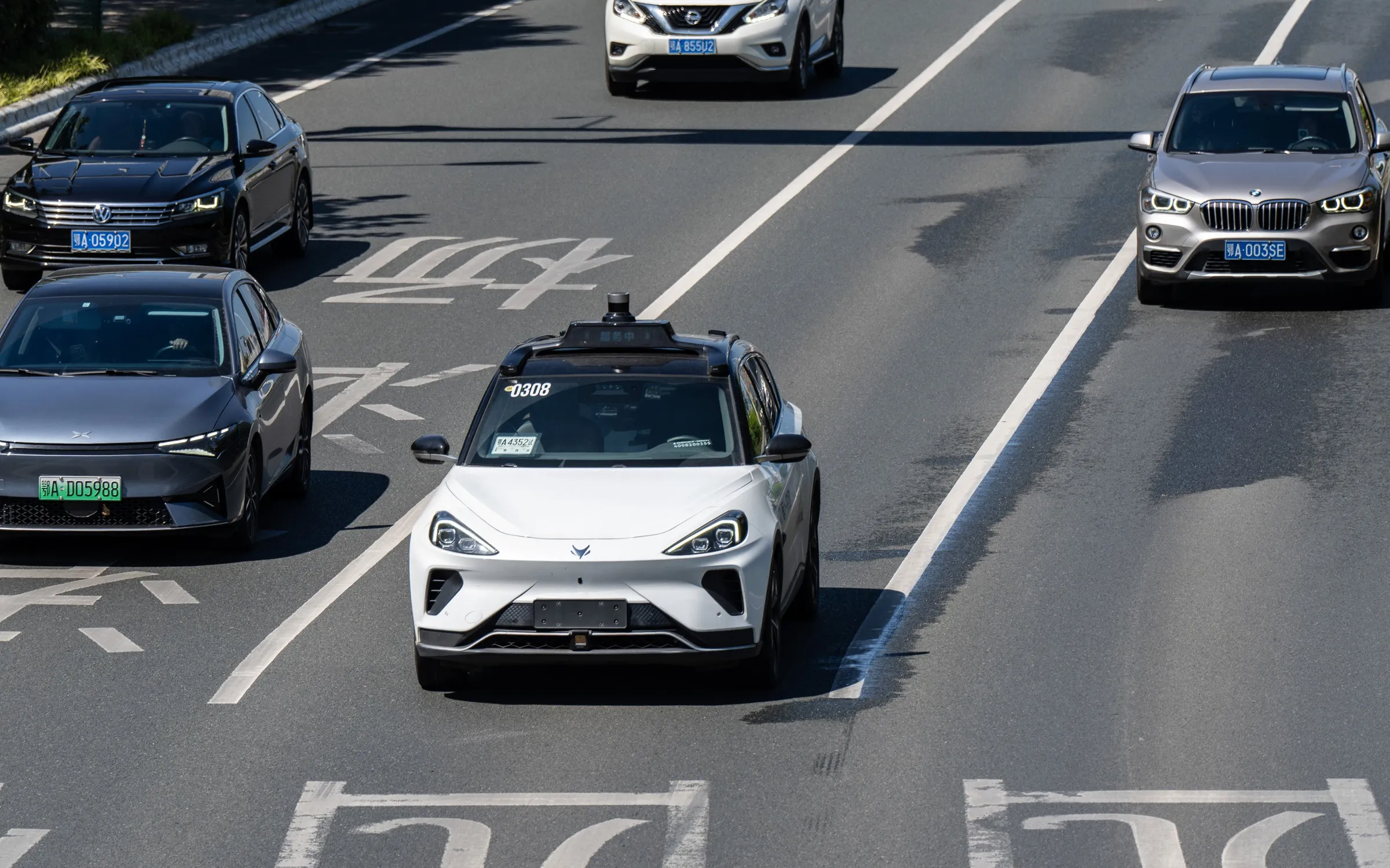
China’s Supreme People’s Court has established that whoever is in the driver’s seat is legally responsible for traffic accidents involving vehicles equipped with autonomous or assisted driving systems. The guideline, released last Friday (13), is valid nationwide and aims to standardize the legal interpretation of the lower courts of the Asian country in the face of the rapid popularization of these technologies.
According to the Supreme Court, electronic driving assistance packages are no substitute for the human factor. The understanding consolidates the view that the driver remains the executor of mobility tasks and has the non-negotiable duty to intervene to ensure road safety, even when the car operates under advanced cruise automation.
SEE ALSO:
The jurisprudence was established through a “standardizing case”, a local mechanism that guides future sentences without creating new formal laws. The base episode occurred in Zhejiang province: a drunk driver activated the autonomous system, transferred to the passenger seat and fell asleep. The vehicle was intercepted stopped in the middle of a public road, resulting in arrest and a fine for the owner.
At the same time, Beijing has tightened the regulatory noose against the automakers themselves. From next year, hidden door handles will be prohibited. The safety measure was precipitated by a tragedy in Chengdu last October, when three students died after rescuers were unable to open the doors of a burning tram due to a failure in the built-in drive.
The Chinese offensive contrasts with the global scenario. In the United States, the absence of a federal guideline causes liability to vary dramatically across state laws. In Europe, the framework differs from nation to nation, oscillating between models that share the blame or transfer it entirely to the manufacturers.



