'Cat Truck' is unveiled at machinery fair as an exclusive design project; concept brings integrated drone and tractor-inspired aesthetics
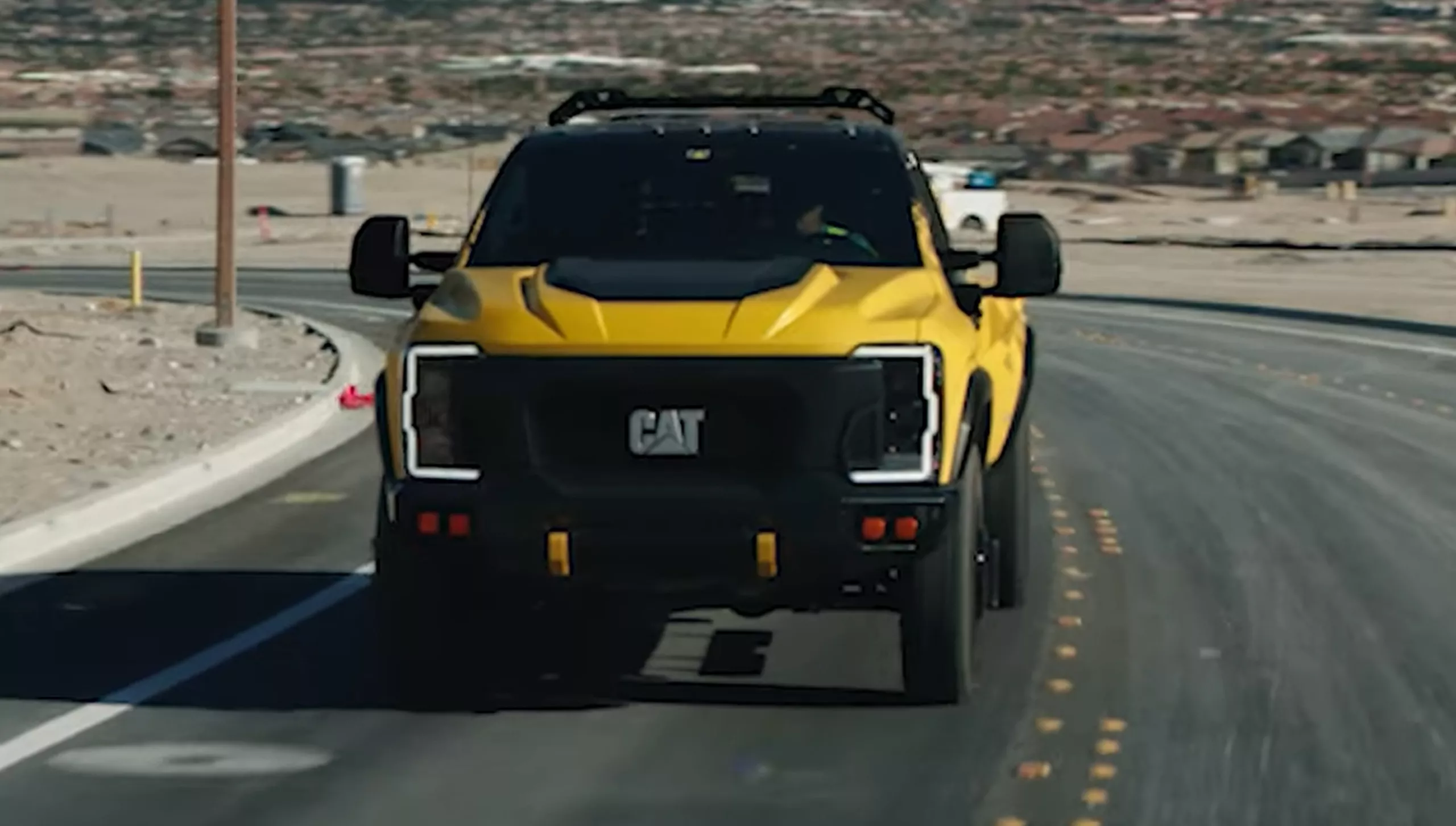
Caterpillar has turned an illusion generated by artificial intelligence into something apparently concrete. During the international fair Conexpo-Con/AGG 2026, focused on the construction and mining sectors, the heavy machinery giant surprised the public by unveiling the “Cat Truck”. It is a full-bodied concept pickup, developed on the acclaimed Ford Super Duty architecture. Despite the strong appeal, the model is a unique project and is not expected to reach the assembly lines.
The creation of the utility vehicle deviates from the traditional scripts of the automotive industry: at the end of 2024, AI-created images imagining what a pickup truck with the Caterpillar identity would look like went viral on social media. The repercussion of the digital design caught the attention of the company’s board, which decided to materialize the virtual game as a bold marketing exercise for this year’s event.
SEE ALSO:
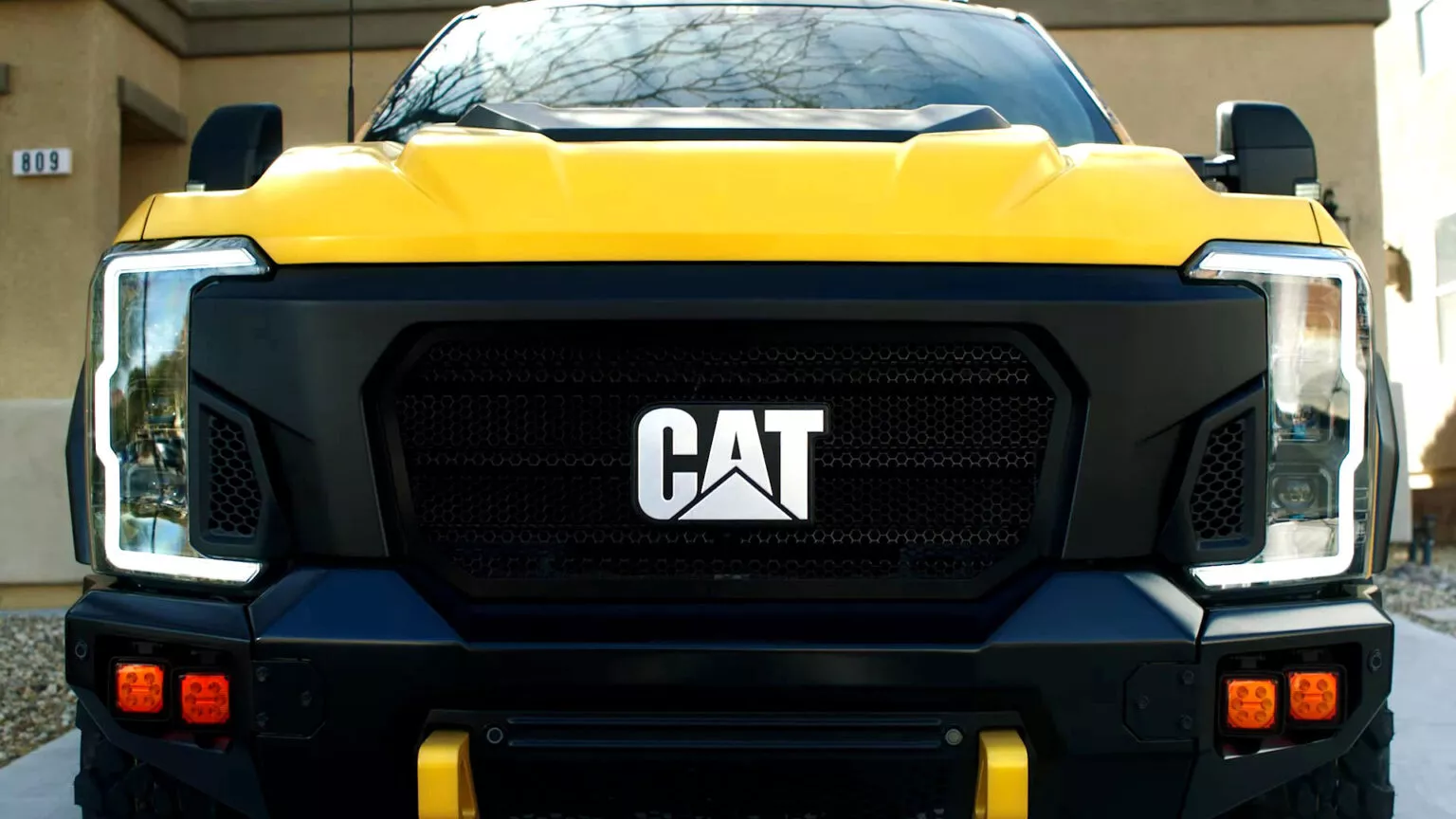
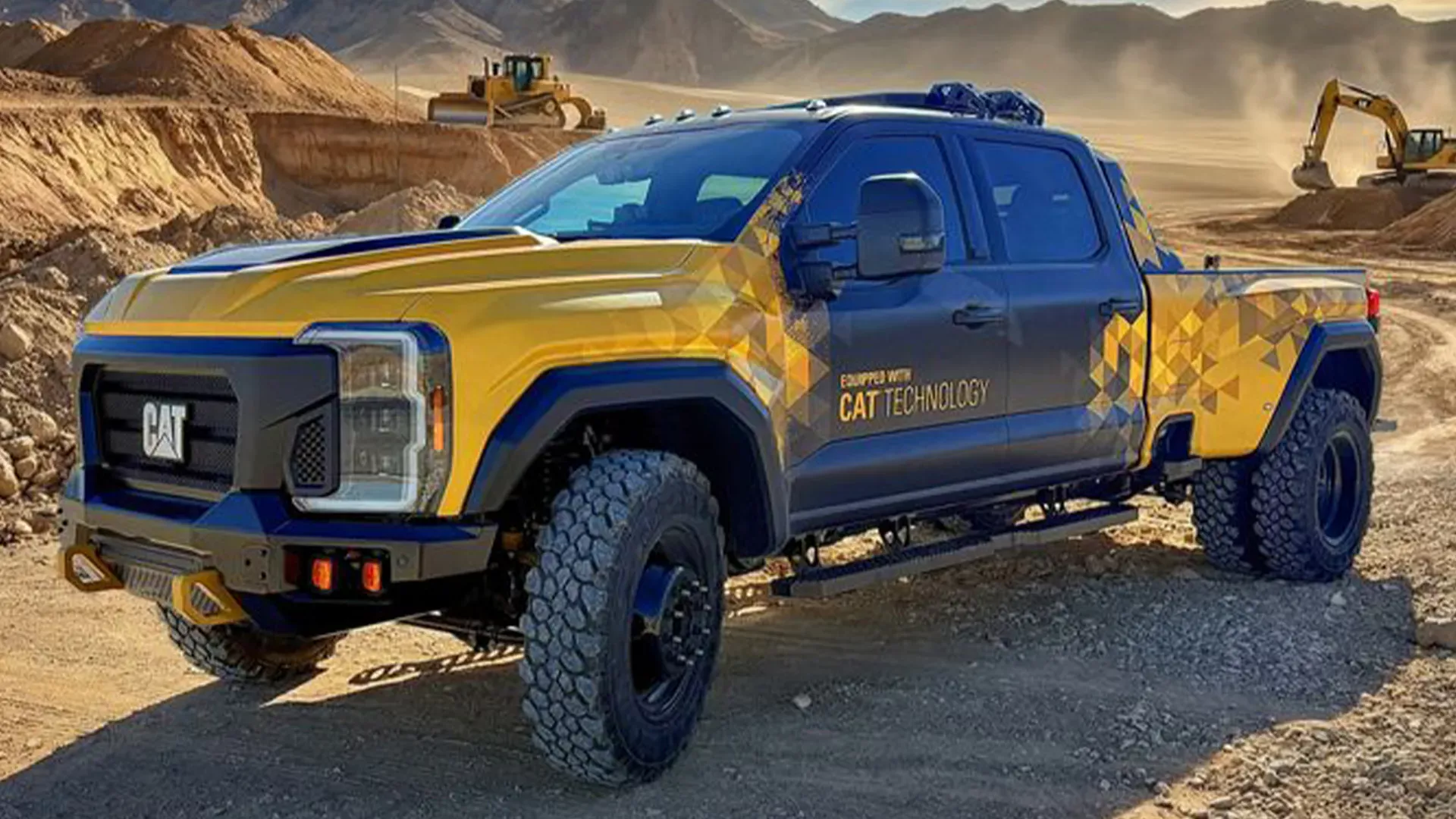
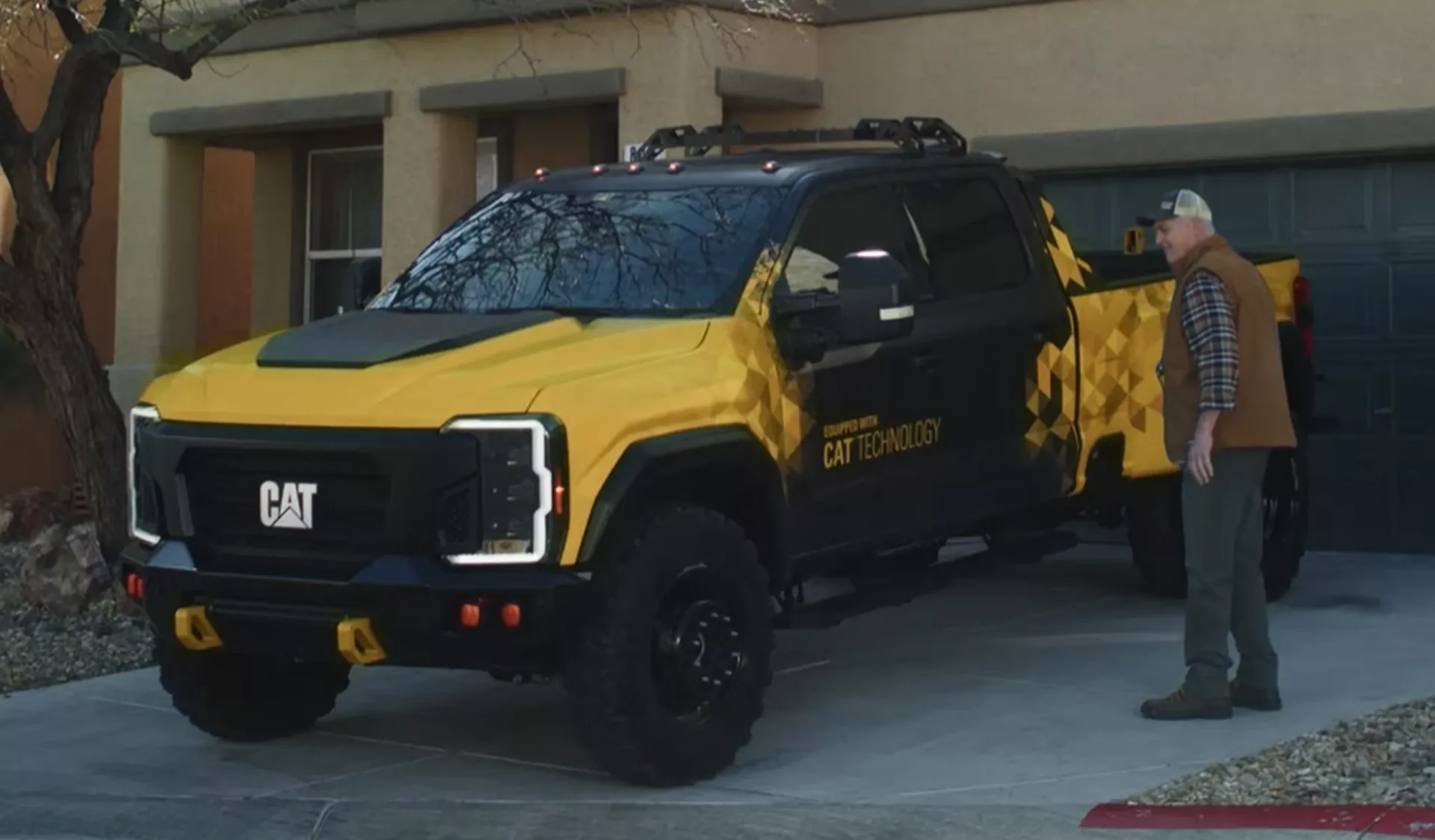
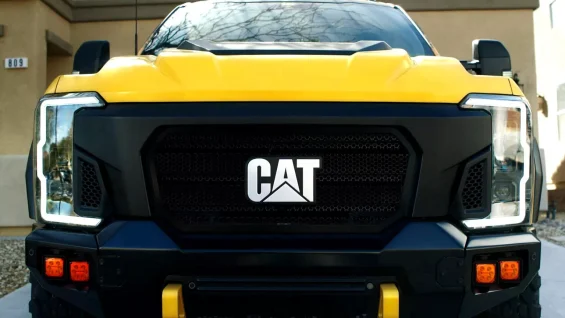
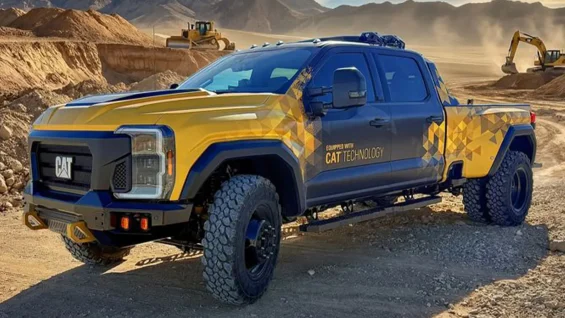
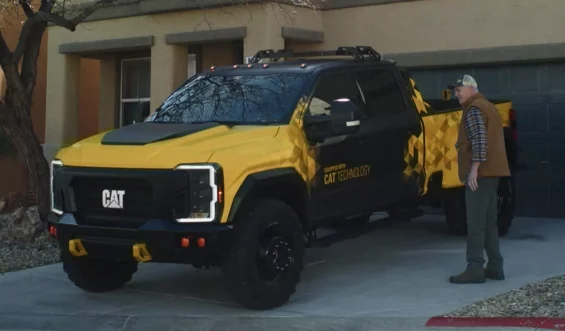
To bring the concept to life, the engineering team preserved the original Super Duty structure and headlights, but applied a look that immediately refers to the brand’s tractors. The front features an imposing new grille and black bumpers, which contrast with heavy yellow tow hitches. The hood has been entirely redesigned with muscular creases, while the wheel arches have adopted a square shape to accentuate the width.
The look aimed at extreme work is complemented by reinforced side steps, exclusive wheels shod with muddy tires and the unmistakable yellow and black paint. On the roof, a technological differential stands out: an integrated drone, designed to take off from the vehicle itself and perform aerial monitoring of construction sites.
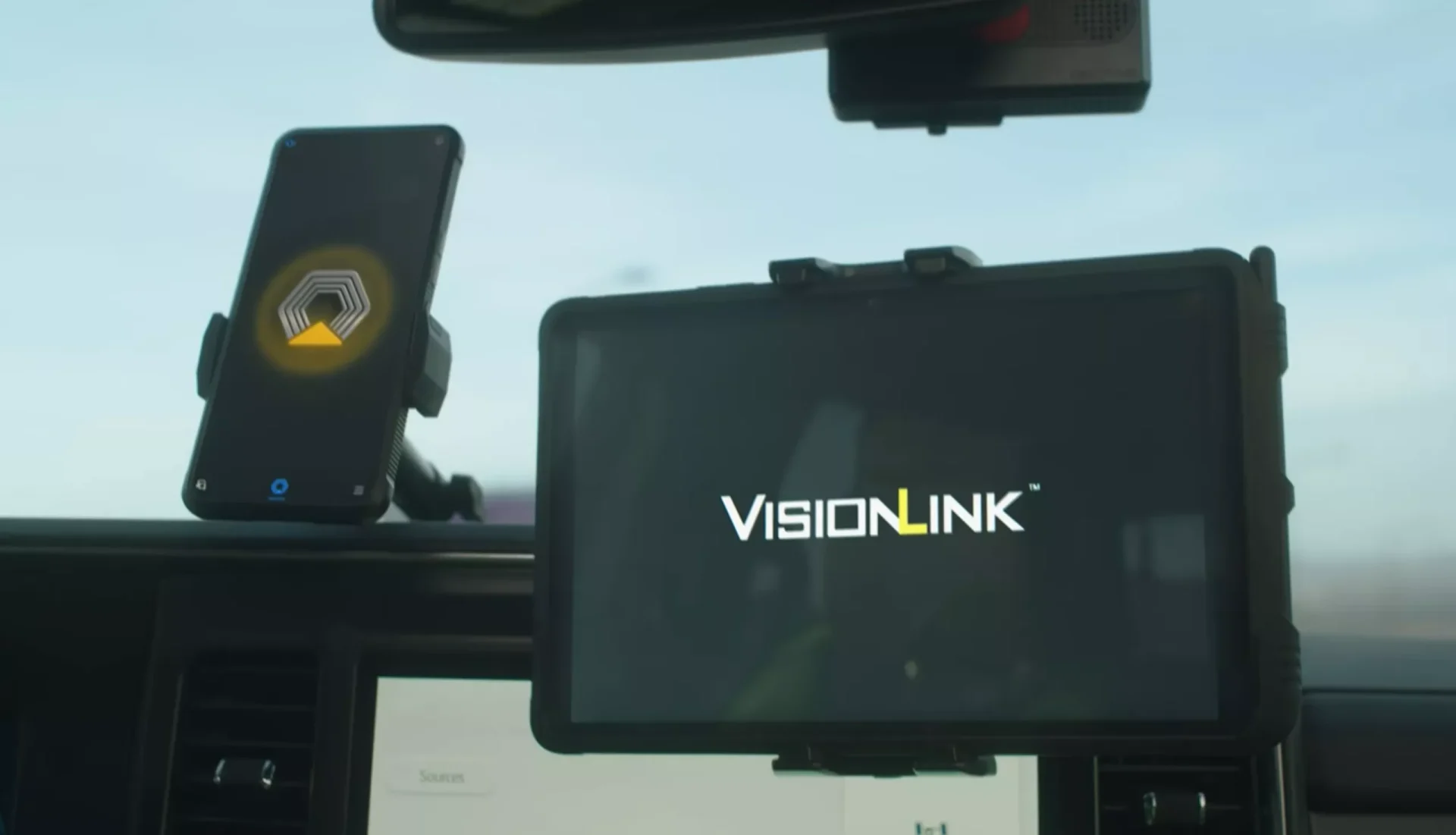
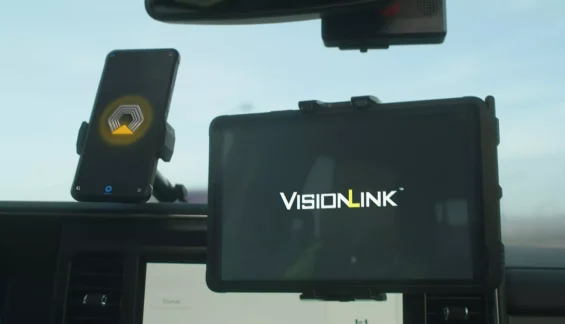
The cabin had few details revealed, but the manufacturer confirmed the presence of the VisionLink Productivity multimedia system, operated by a native CAT artificial intelligence assistant. The company reinforces that the vehicle was born only to demonstrate the strength of its visual identity applied to new formats.



