Government cuts taxes to attract Asian automakers, but imposes limit of 49,000 units per year to protect local industry
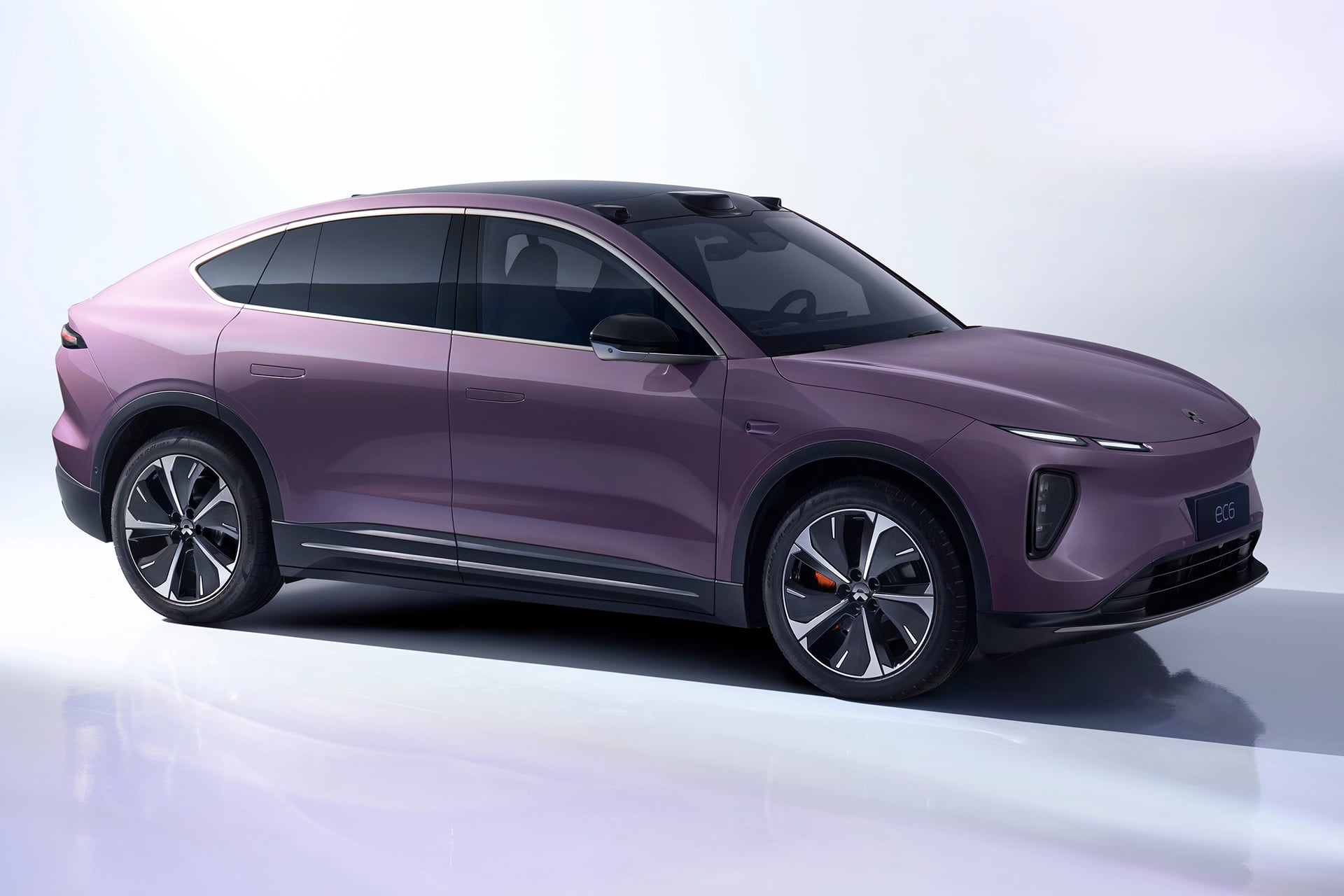
In a significant shift in its trade policy, Canada formalized the drastic reduction of tariffs on electric vehicles imported from China, cutting the rate from 100% to just 6.1%. The measure, announced by Prime Minister Mark Carney after meeting with Chinese President Xi Jinping in Beijing, aims to balance the pressure for more affordable cars with the protection of the local industry.
The agreement, however, is not a “blank check”. The Canadian government has established a strict quota system: the volume of imports will be limited to 49 thousand units per year — a level equivalent to that recorded in 2023 and which represents less than 3% of the total new vehicle market in the country. In addition, there is a price requirement: half of this contingent should arrive in stores costing less than 35 thousand Canadian dollars (about R$ 145 thousand).
SEE ALSO:
Carney’s strategy is to use gradual opening as bait to attract investments. According to the premier, the objective is to foster joint ventures, leading Chinese automakers to install production lines on Canadian soil, respecting local labor standards. “It’s a controlled opening to stimulate industrial partnerships,” Carney said.
Surprisingly, the initiative has received the endorsement of US President Donald Trump, who is usually hostile to trade with Beijing, which suggests a strategic alignment in North America. However, the internal repercussion is negative. Doug Ford, premier of the province of Ontario (the automotive heart of the country), and Lana Payne, president of the Unifor union, called the agreement a threat to Canadian manufacturing jobs and sovereignty.
The pact is initially valid for three years, when it will be submitted to a reassessment to measure the impact on the local production chain.



