Use of cell phones while driving is prohibited by the Traffic Code, but bill tries to adjust rule for transport professionals
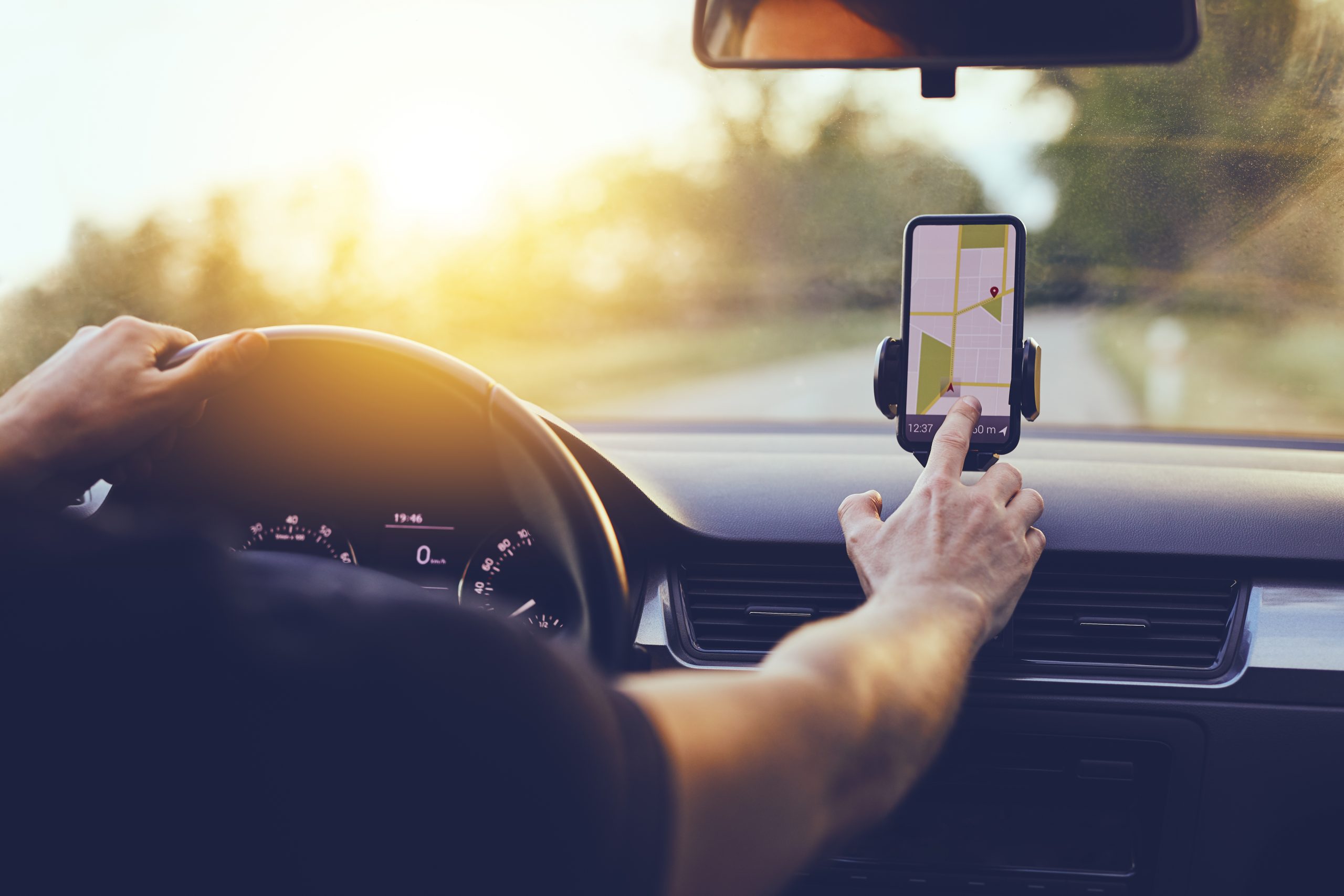
The vast majority, if not all drivers, know very well that using the smartphone while driving is an action that violates the Brazilian Traffic Code (CTB), even if it is ‘quick’ or only when the vehicle is stopped at the traffic light. But this raises a question: what about app drivers and transport professionals who need to use their cell phones during work?
This issue was raised in the Chamber of Deputies, which is analyzing Bill 6548/2025, presented by Deputy André Fernandes (PL/CE). The text proposes changes to the CTB to regulate the use of cell phones by app drivers, motorcycle taxi drivers, motorcycle delivery workers and other professionals who work in paid transport.
SEE ALSO:
The Traffic Code establishes very strict rules regarding the use of smartphones while driving and even punishes the act of not having both hands on the wheel:
Art. 252 – Driving the vehicle:V – with only one hand, except when making regulatory arm signals, changing the vehicle’s gear, or activating the vehicle’s equipment and accessories;
VI – using headphones in the ears connected to a sound system or cell phone;
Sole Paragraph. The hypothesis provided for in item V will be characterized as a very serious infraction in the event that the driver is holding or handling a cell phone. (Sole paragraph included by Law No. 13,281, of 2016)
That is, any action that involves using the cell phone, even if quick or while the vehicle is stopped in traffic, is punishable.
PL 6548/2025 includes precisely in article 252 of the CTB a punctual exception to the rule provided for in item VI, mentioned above. According to the text, it would no longer be an infraction to briefly touch a mobile device duly fixed to an appropriate support, as long as it is intended for quick adjustments related to the use of the platform, without continuous manual interaction or prolonged deviation of the driver’s attention.
The bill specifies the scope of this exception: it applies exclusively to paid transport professionals who are in the exercise of the activity and have a CNH compatible with the function performed. In other words, the flexibility does not include other drivers who do not work with transport.
The author of the bill argues that the current wording of the CTB does not distinguish between risky use and functional use of the cell phone. According to André Fernandes, for these workers, the device is an indispensable tool, used to:
According to the deputy, it is not a recreational use or one that is not linked to safe driving, but an activity inherent to work. The bill also criticizes the automatic fines made by video surveillance systems.
According to the parliamentarian, the absence of a clear legal provision has allowed the application of penalties even when the professional performs only quick taps on fixed devices, with a strictly operational purpose. According to the deputy, the amount of fines can correspond to several days of work, directly affecting the family income of these professionals.
Even with the eventual change, practices such as:
The proposed exception is limited to specific adjustments, directly related to the execution of the service, such as navigation or confirmation of rides and deliveries.
PL 6548/2025 will still be analyzed by the thematic committees of the Chamber before a possible vote in the plenary.



