Autonomous driving system features sharp turns and involuntary accelerations, exposing the immaturity of BYD's artificial intelligence
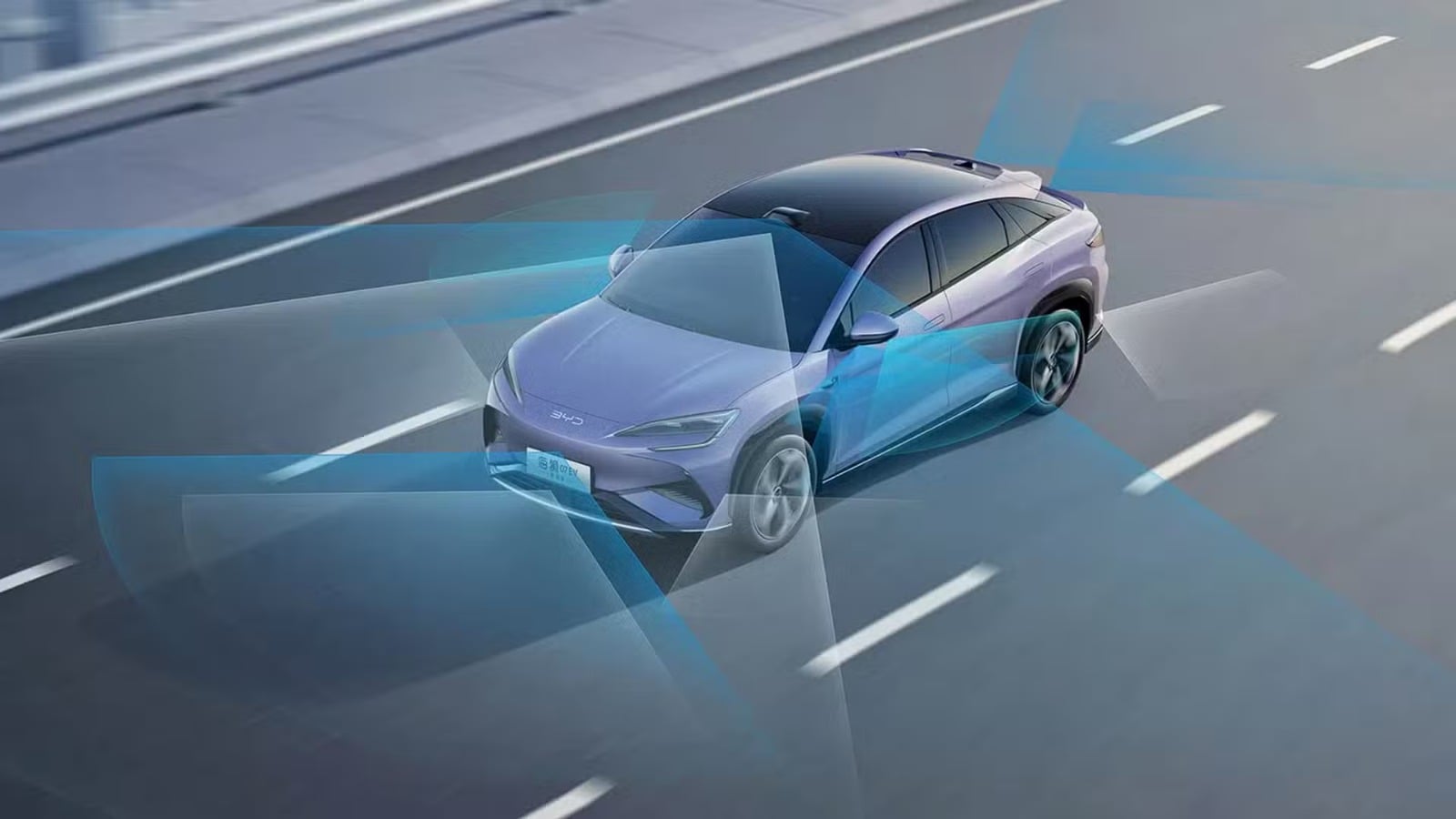
BYD is facing a crisis of confidence in its most advanced autonomous driving technology, the “God’s Eye” system. Owners of very high luxury vehicles, such as the Yangwang U8 utility vehicle — valued at around R$ 840 thousand — have reported real scares and serious software failures, such as phantom accelerations and sudden steering swerves, putting the safety of drivers in check.
On Asian social networks, the reports expose a worrying mismatch between the state-of-the-art hardware and the immaturity of the system’s artificial intelligence. Drivers describe chronic situations of loss of control, with vehicles suddenly jumping to 93 km/h on low-speed roads. There are also frequent records of operational breakdowns at toll plazas and complex highway exits, as well as sudden steering maneuvers that almost resulted in head-on collisions.
SEE ALSO:
Although the “God’s Eye” is already running on about 2.5 million cars, the manufacturer deals with a strong bottleneck in the training of its artificial intelligence. Market reports point out that BYD collects less than half of the critical data needed for machine learning compared to US competitors, significantly limiting the software’s accuracy in predicting and reacting to atypical traffic scenarios.
To try to democratize the technology, the automaker structured the assistance in three hardware divisions:



