Chinese automaker requests refund of tariffs paid under emergency decrees, claiming that the US government acted outside its legal authority
BYD has formally filed a lawsuit against the United States government to challenge the legality of customs tariffs implemented in 2025. The lawsuit, filed by four U.S. subsidiaries of the company, questions the use of the International Emergency Economic Powers Act to impose severe tariffs.
The company alleges that the government exceeded its legal authority by setting barriers that affect everything from commercial vehicles to solar power components and batteries.
SEE ALSO:
The BYD case is another in a wave of similar lawsuits driven by a ruling in favor of a wine importer in New York. At the time, courts concluded that the U.S. president does not have the authority to create tariffs through economic emergency decrees.
Currently, the issue awaits a final definition by the Supreme Court, scheduled for the first half of 2026. Until this decision occurs, the Chinese manufacturer’s lawsuit remains suspended, but with the potential to reverse millions of dollars in taxes. In the event of a BYD court victory and annulment of the decrees, the models produced by the brand in Brazil could enter the American market with reduced tariffs, less than 15%.
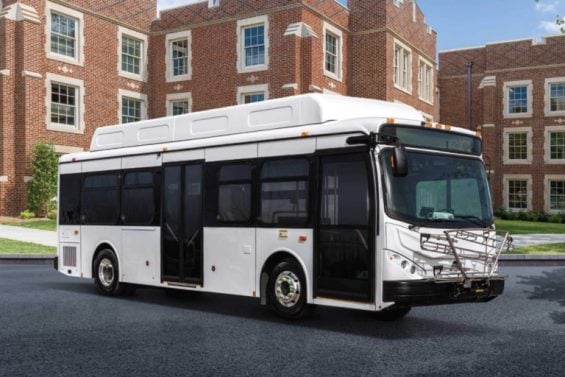
Even with the dispute, the Chinese automaker remains solid on US soil, with a focus on public transport. The company’s plant in Lancaster, California, produces about 1,500 electric buses a year and employs more than 750 local employees.
The North American operations generate billions of dollars in annual revenues. The legal fight can be a starting point to strengthen your brand expansion strategy.



