New Chinese electric SUV has 362 hp of power, floating screens and seat configuration ideal for travel and leisure
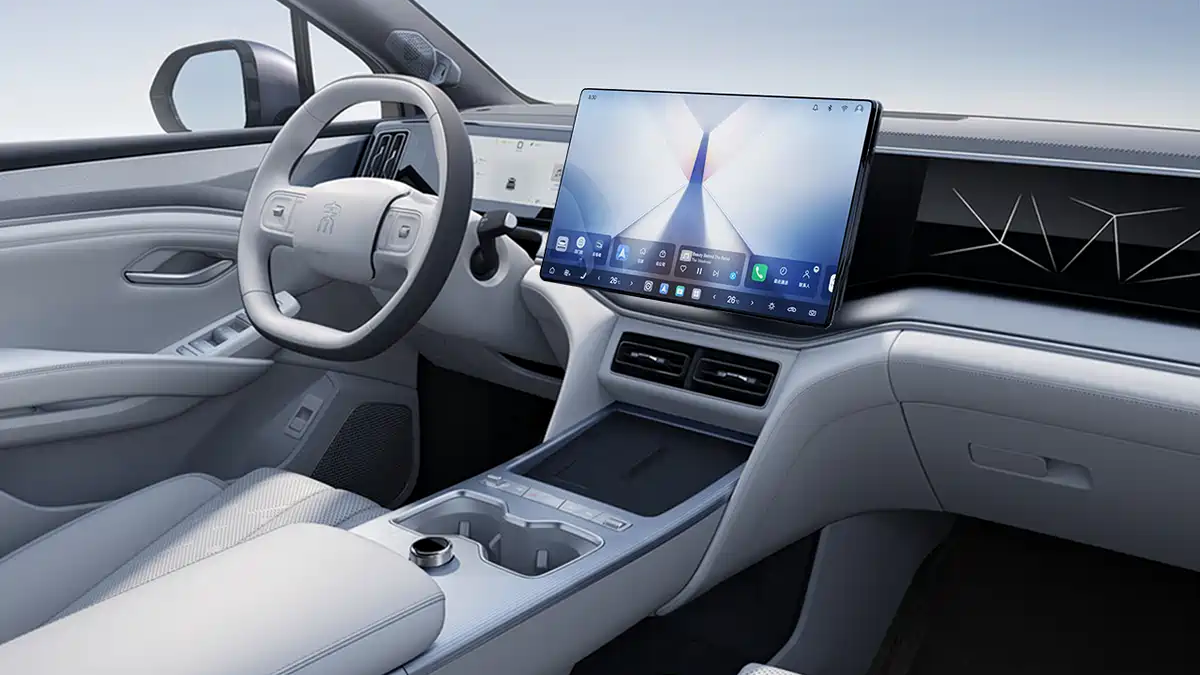
BYD has revealed the interior details of its new mid-size electric SUV, the Song Ultra EV. With the proposal of combining technology with unusual versatility, the model stands out for transforming the cabin into a ‘rest area’. The expectation of the Chinese market is that the vehicle will arrive at dealerships with a competitive starting price, in the range of 180 thousand yuan (about R$ 133 thousand in direct conversion).
The internal design of the utility bets on a minimalist design, marked by straight lines on the panel. The automaker has integrated a digital LCD instrument panel with a large floating multimedia central screen. The center console was designed to offer two niches for wireless charging of smartphones, dual cup holders and rotating physical controls for the entertainment system.
SEE ALSO:
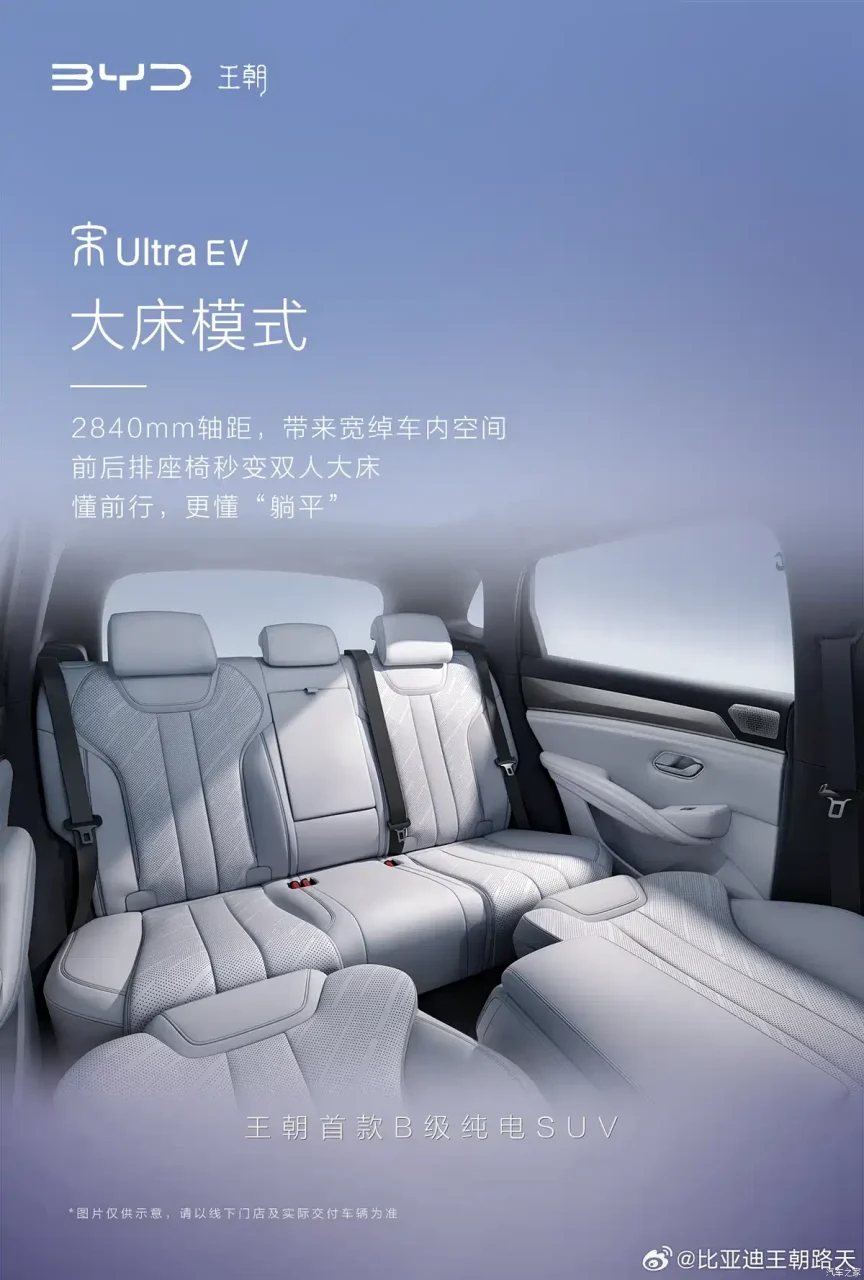
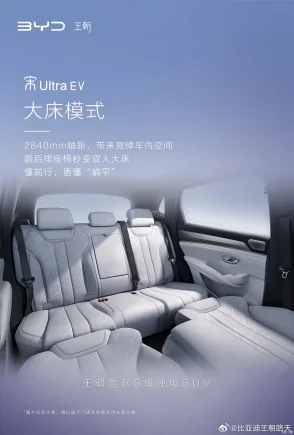
The great asset of the cabin, however, is the system called “bed mode”. Taking advantage of the generous space guaranteed by the wheelbase of 2,840 mm, the feature allows you to align and connect the front seats to the rear. The result is the creation of a flat and very spacious surface, ideal for long trips, camping trips or leisure time.
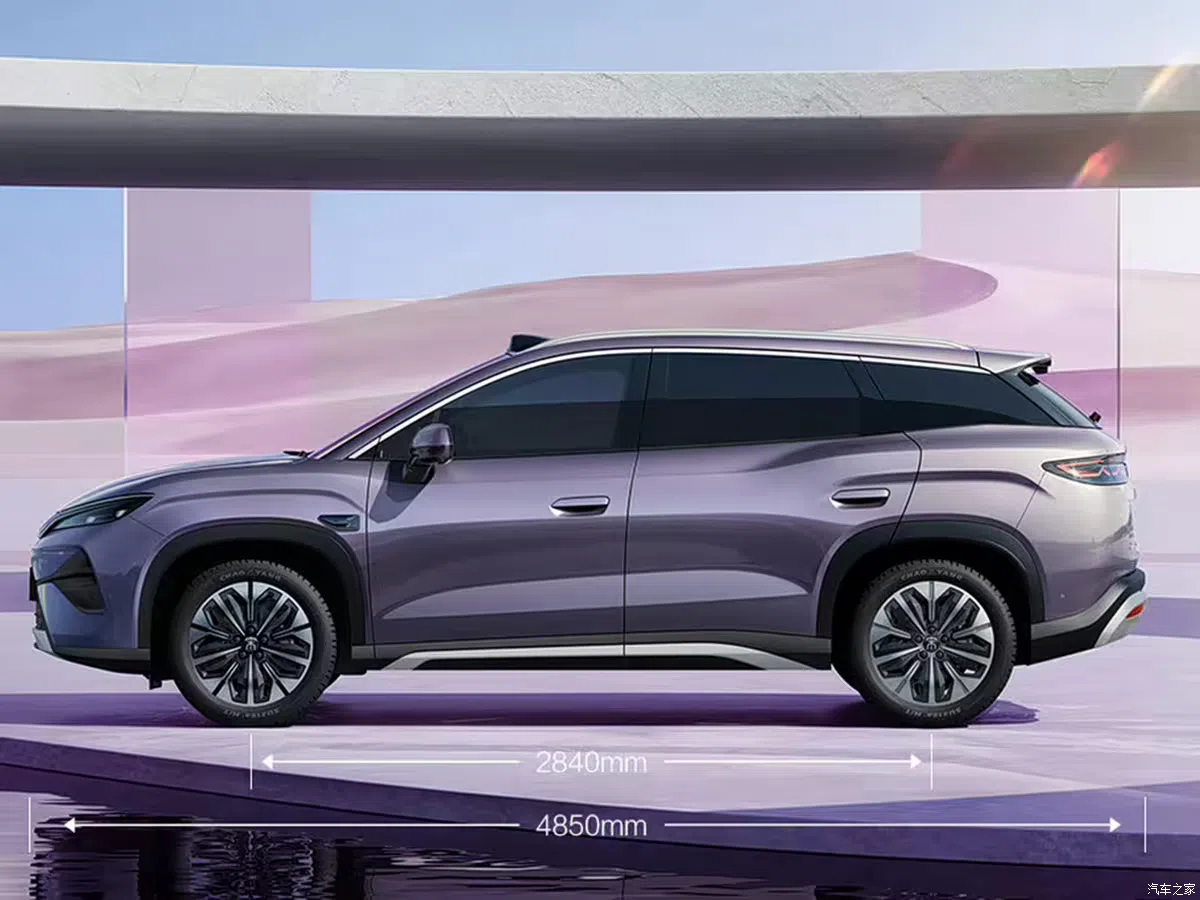
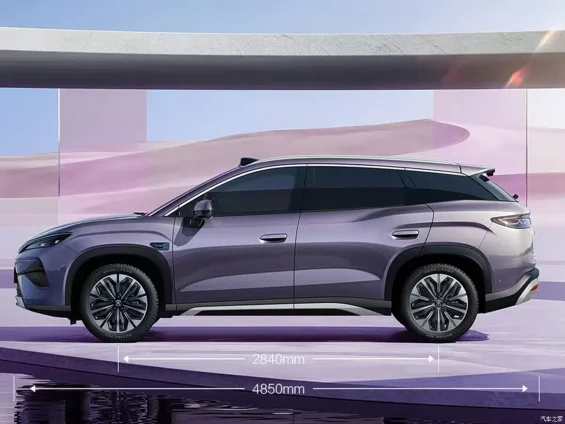
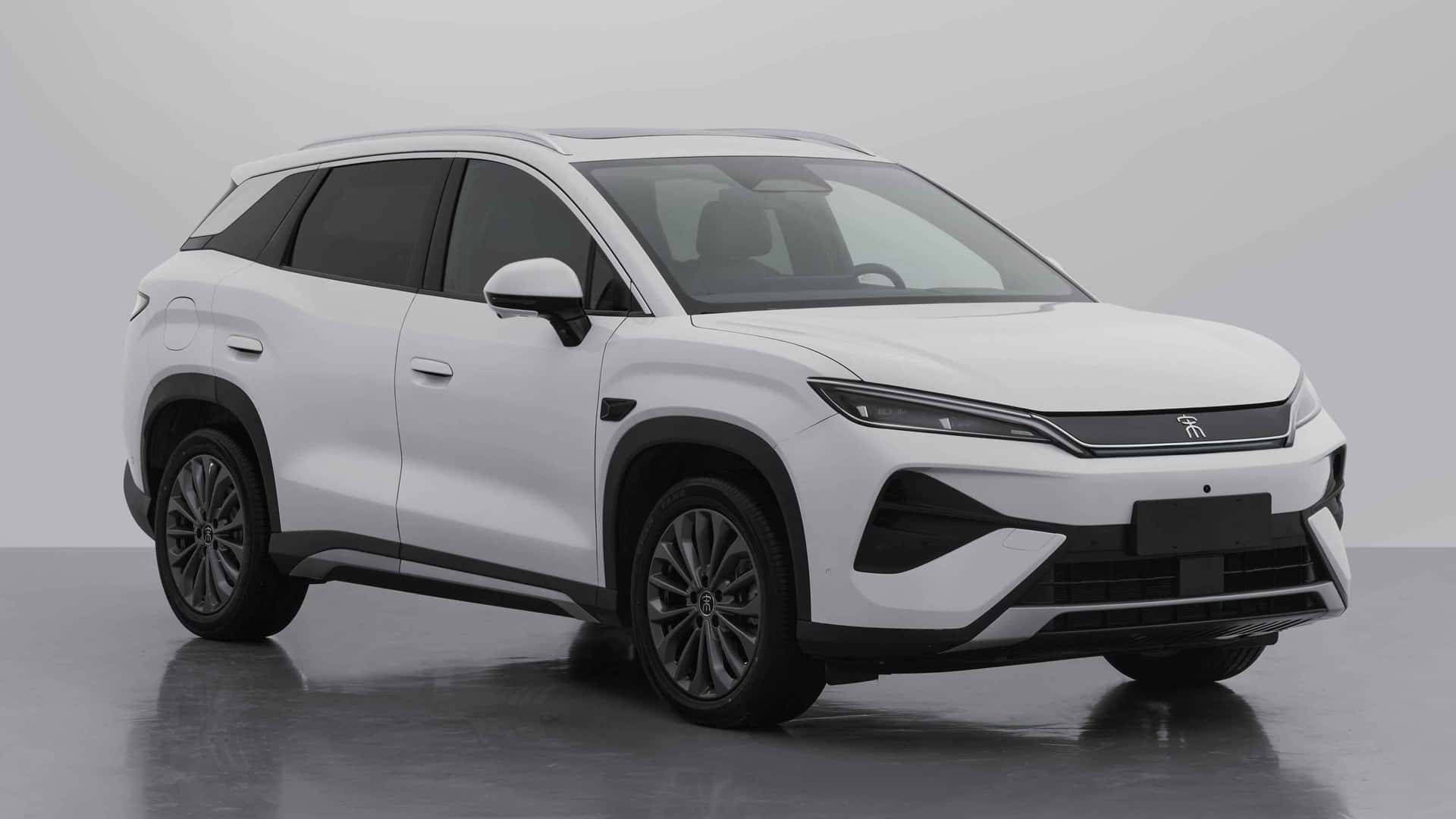
On the outside, the Song Ultra EV adopts the well-known design language of the brand’s “Dynasty” family. The front features a closed grille surrounded by a continuous light strip. At the rear, the interconnected taillights and a spoiler give it a sportier and more dynamic look. In terms of safety, the model can be equipped with an optional LiDAR sensor, which works in conjunction with the God’s Eye B assistance system to enable autonomous driving capabilities both in cities and on highways.
In technical specifications, the SUV measures 4.85 m in length, 1.91 m in width and 1.67 m in height. The engine consists of a 362 hp electric propulsion, capable of taking the vehicle to a maximum speed of 210 km/h. With 75.6 kWh or 82.7 kWh batteries, the model achieves a range of 620 km and 710 km, respectively, by the more permissive Chinese CLTC cycle.



