With an estimated price of R$ 85 thousand, the new Racco bets on physical buttons, synthetic leather and sliding doors to win over the demanding Japanese driver
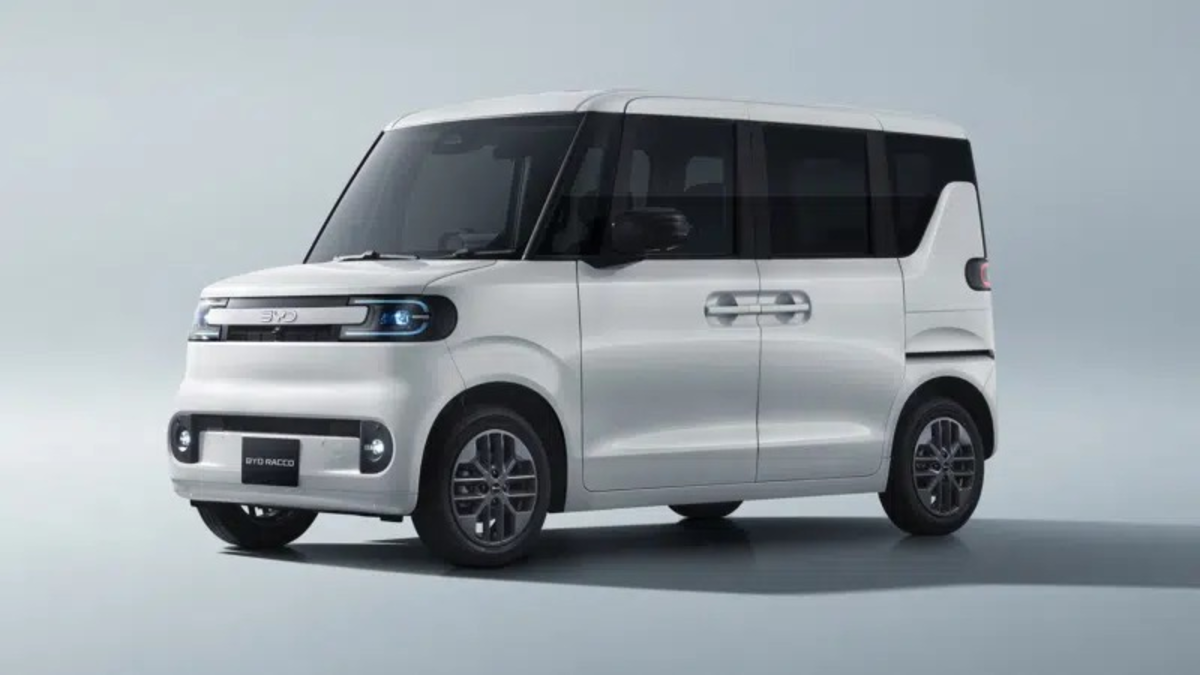
Chinese automaker BYD has revealed the first images of the interior of the Racco EV, its unprecedented electric kei car aimed at Japan. Scheduled for launch in the second half of 2026 and an estimated price in the range of 2.5 million yen (about R$ 85 thousand), the model aims at urban practicality to challenge the hegemony of local manufacturers in the minicar segment – which last year alone registered 1.6 million units sold in the country.
SEE ALSO:
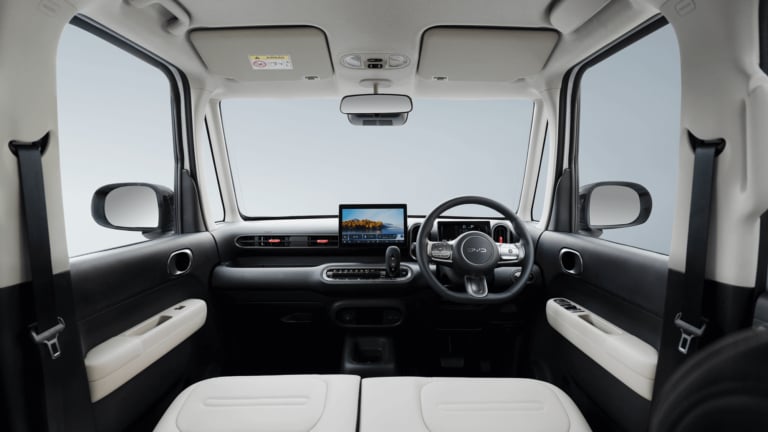
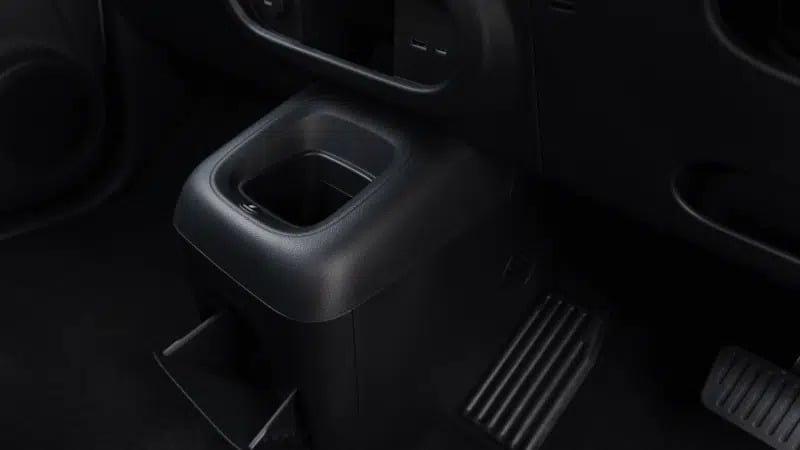
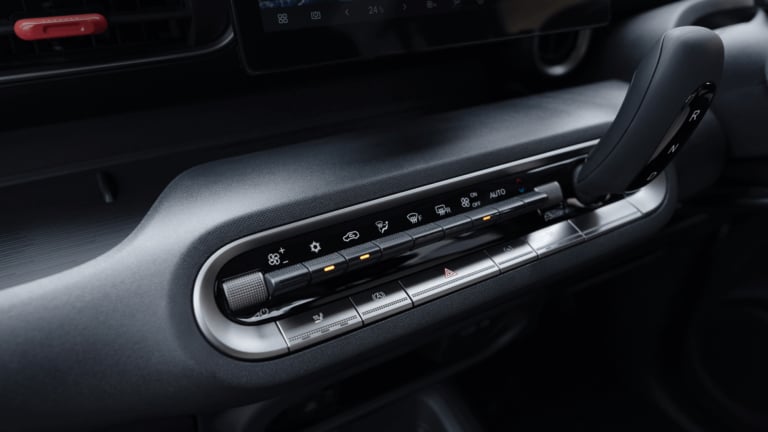
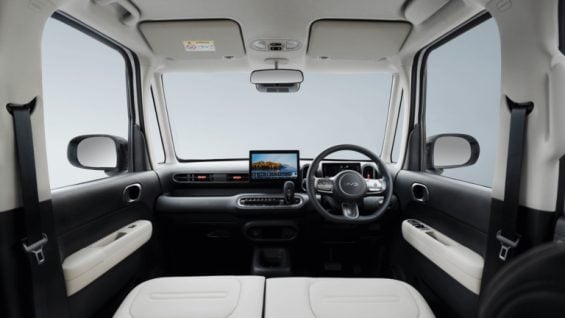
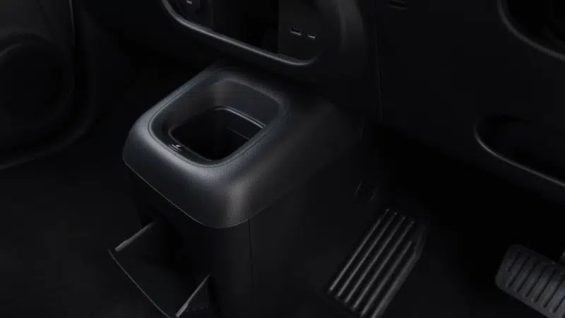
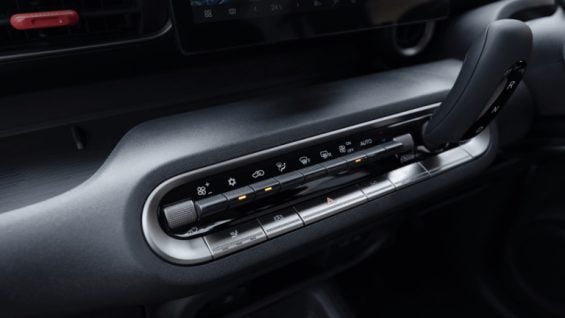
The Racco’s cabin adopts the classic architecture of Japanese microcars, with a gear lever integrated into a short center console to optimize the free area. The cabin has an LCD instrument panel and a multimedia center with a floating screen. Going against the recent trend of total digitalization, BYD chose to keep physical buttons for air conditioning control.
For the driver’s convenience, the model offers traditional USB and Type-C ports, storage niches in the console and a glasses holder. The comfort of the occupants is guaranteed by heated front seats covered in white synthetic leather, in addition to a wide windshield that greatly favors visibility in dense urban traffic.
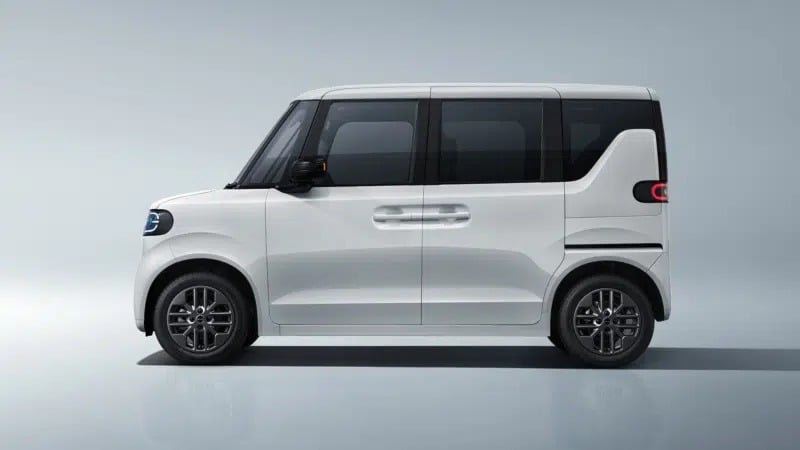
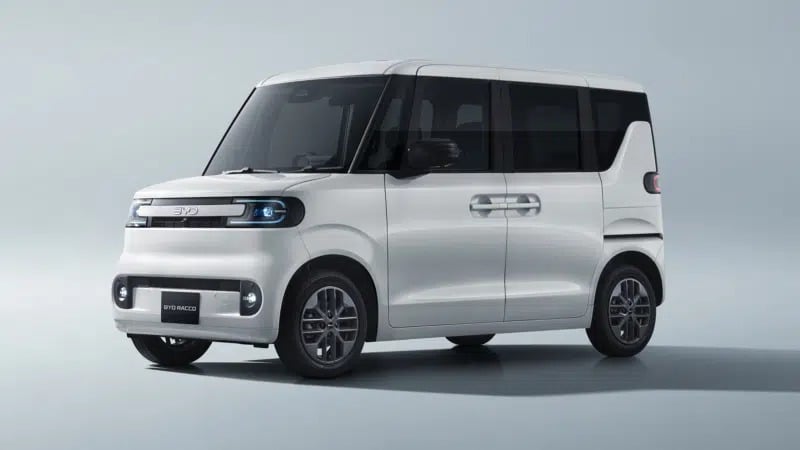
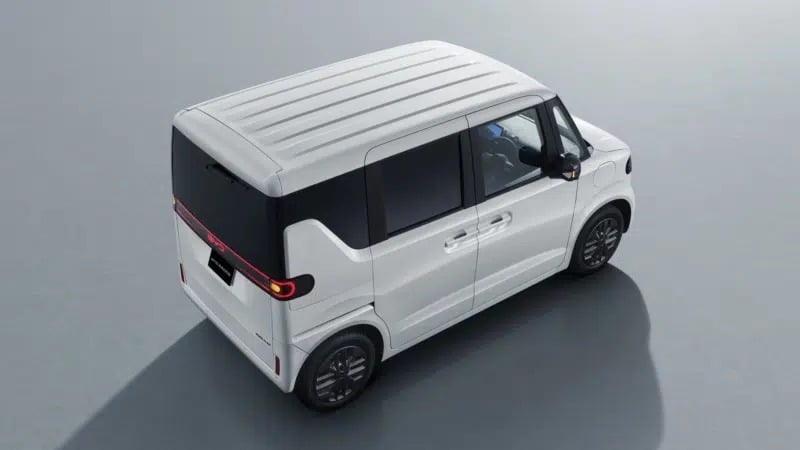
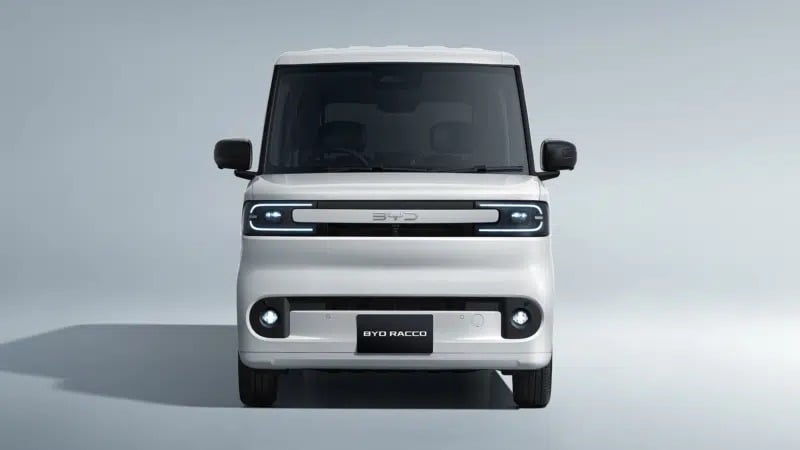
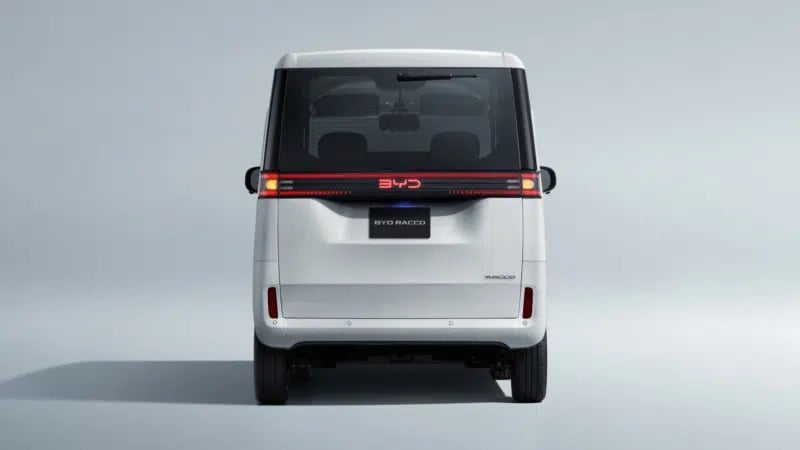
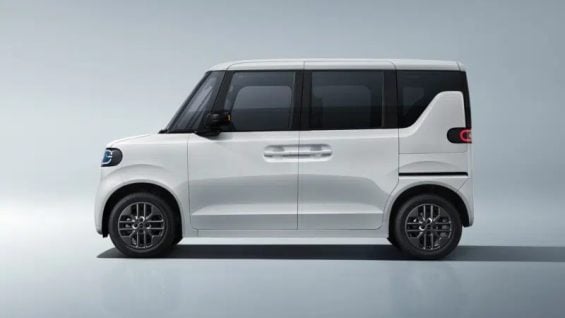
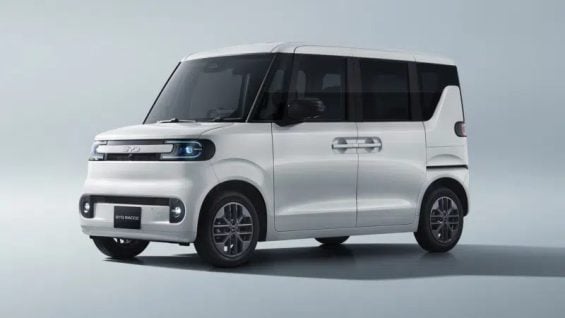
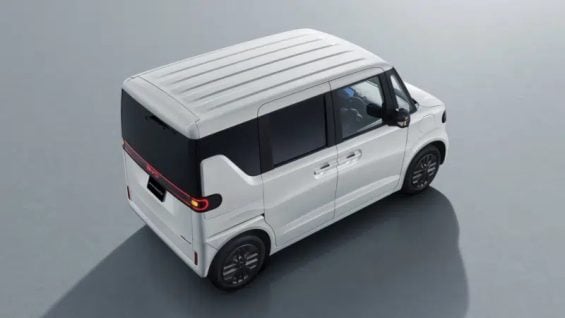
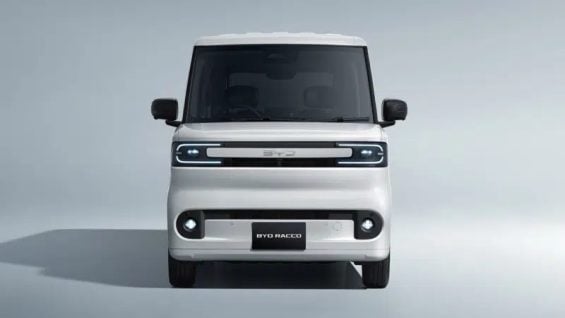
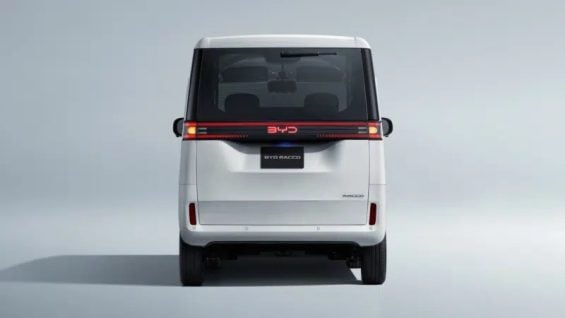
Under the hood, the Racco EV acts as a strictly urban vehicle. It is driven by an electric motor on the front axle that delivers (27 hp of power. Equipped with LFP batteries supplied by the FinDreams subsidiary, the model achieves a range of 180 km in the WLTC test cycle. A great asset, however, is the support for fast charging of up to 100 kW, allowing agile recharging at public stations.
With tiny dimensions — 3.39 meters long, 1.47 m wide and 1.80 m high — the tram has sliding rear doors on both sides, which makes it easy to board and disembark in extremely narrow spaces.
The BYD Racco’s biggest challenge, however, will be commercial: the model will need to prove that its electrified and affordable recipe is strong enough to displace consolidated sales leaders with combustion engines, such as the popular Honda N-Box. Among other factors, nationalism is a barrier: high resistance from local consumers is expected in relation to the Chinese brand.



