Measure that benefited brands such as BYD and GWM ended in January; Anfavea warns of risk to jobs, while newcomers criticize "corporatism"
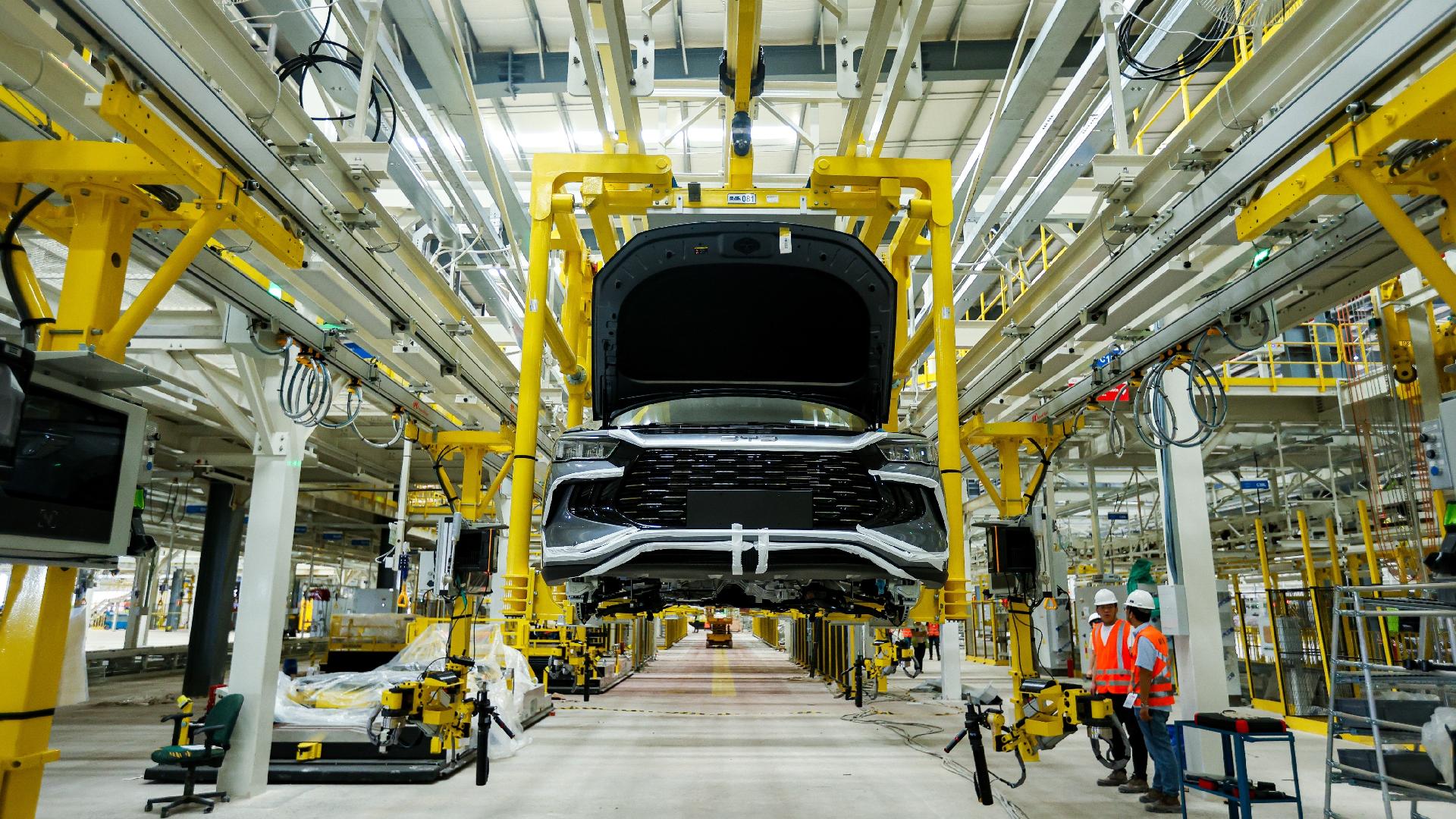
The end of the Import Tax exemption for electric and hybrid vehicles brought to Brazil under the SKD and CKD (disassembled or semi-disassembled) regimes, which took place on January 31, opened a new front in the national automobile industry. On the one hand, traditional automakers defend the protection of the local production chain; on the other, newcomer manufacturers, such as China’s BYD, criticize what they call barriers to investment outside the Southeast axis.
The decision, deliberated by Gecex-Camex (Executive Management Committee of the Chamber of Foreign Trade), establishes a schedule for gradual increase in rates. For the SKD regime, taxes now range between 25% and 30%, and are expected to reach 35% in July 2026. For CKD, the rate will jump from the current 14% to 35% in early 2027.
SEE ALSO:
Despite having enjoyed the tax benefit, BYD’s senior vice president, Alexandre Baldy, classified the pressure to end the benefit as a “corporatism of the Southeast industry”. According to Baldy, a press conference at the Bahian factory, the advantages given by the government did not even serve any benefit. “In fact, it is not that there was an exemption for SKD or CKD that served us to the point of giving us greater competitiveness,” he said.
Anfavea (association of automakers), in turn, maintains that the maintenance of incentives for the simple assembly of imported kits, without counterparts of nationalization of components, threatens the survival of the sector. A study by the entity points out that the replacement of complete production by kits could eliminate 69 thousand direct jobs and cause an economic loss of R$ 103 billion for auto parts manufacturers.
The Ministry of Development, Industry, Commerce and Services reported that, so far, there are no new claims from the sector to extend the benefit. The federal government maintains the strategy of encouraging integral manufacturing in the country, while Chinese automakers accelerate the approval of local suppliers to mitigate the tax impact.



