With trucks stopped and costs on the rise, the cargo sector faces a profitability crisis and projects a year of stagnation in 2026
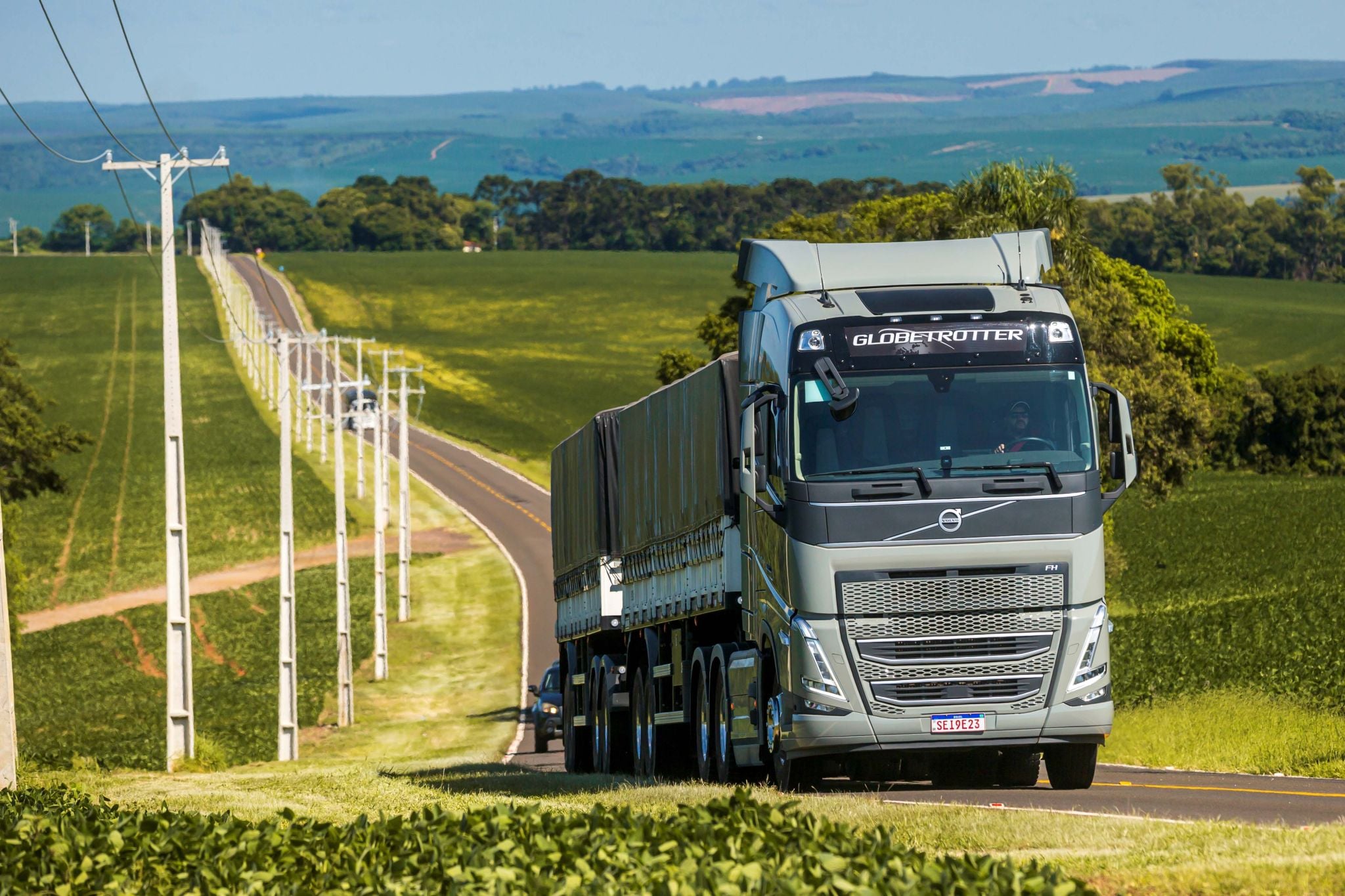
The shortage of qualified labor has consolidated itself as one of the main bottlenecks in road freight transport in Brazil. According to a national survey by NTC&Logística, 88% of companies in the sector report difficulties in hiring drivers and aggregates. The problem already translates into idle fleets: among the carriers that said they have stopped vehicles, the average is eight trucks stopped per company due to lack of drivers.
The study reveals that the “blackout” of professionals is today the second biggest limitation to the growth of the segment, pointed out by 28.1% of the interviewees. The obstacle is second only to the retraction of the domestic market (40.7%), but surpasses the difficulty of access to capital (17%).
SEE ALSO:
Financial pressure aggravates the scenario. In road freight transport, drivers represent 19.5% of operating costs, behind only fuel (43.2%) and vehicles (29.1%). In the last 24 months, the expenditure on labor accumulated an increase of 13.42%, surpassing the change in technical inputs. Despite the pressure, the transfer to freight is insufficient: the average gap between the calculated costs and the amounts actually received by the companies is 10.1%.
The sector is also dealing with the impact of new regulations, such as the insurance costs of Law 14,599/23 and court decisions (ADI 5322) on rest times, which have reduced fleet availability. For 2026, the scenario of uncertainty hinders investments: 61.5% of the companies do not intend to renew the fleet, although 92.6% plan to invest resources in training to mitigate the lack of professionals.
The entity also warns that the year begins under pressure from the payroll tax exemption and the high Selic. For most carriers (57%), the outlook is for stability, while almost 30% already project a worsening in the business environment in the coming months.



