Proposal amends civil aviation regulations and provides for an initial phase restricted to pilots already qualified to ensure operational safety.
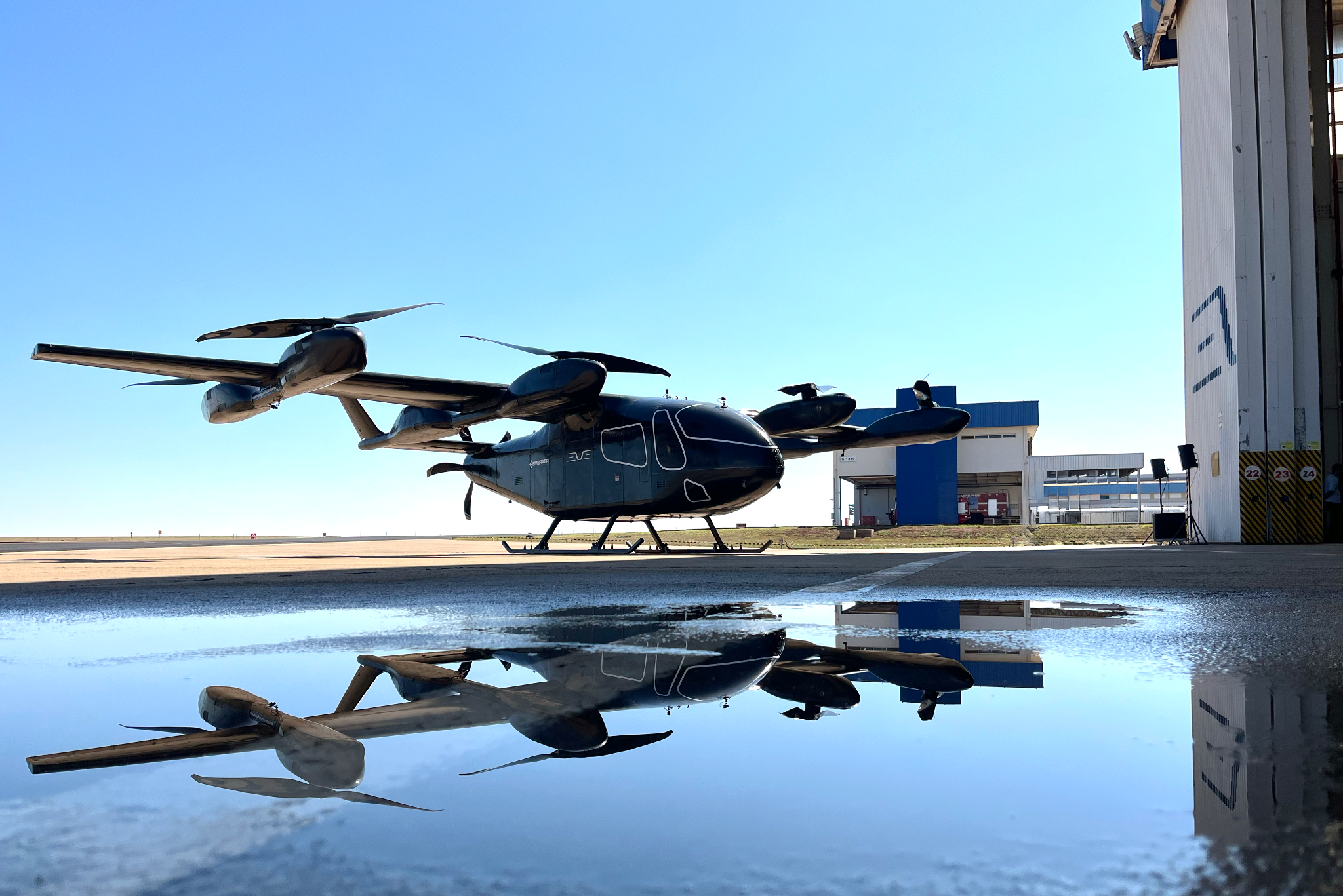
Anac (National Civil Aviation Agency) has started the public consultation to establish the regulatory framework for the profession of eVTOL pilot, the electric vertical takeoff and landing aircraft popularly called “flying cars”. Contributions from society and the airline industry can be sent until March 16 through the Participatory Brazil Portal.
The central proposal is to amend RBAC (Brazilian Civil Aviation Regulation) No. 61 to include a new category of aircraft: “power lift”. According to the agency, the measure aims to fill a legal gap and prepare the Brazilian ecosystem for the so-called advanced air mobility, differentiating these vehicles from traditional helicopters and planes.
SEE ALSO:
The text under discussion establishes a staggered implementation model. Initially, access to the new license will be restricted to pilots who already have a license for airplanes or helicopters. Anac assesses that this transition phase is crucial for the collection of operational data and the maturation of flight safety, before opening the market for the ab initio training (from scratch) of exclusive eVTOL pilots.
For Abrapac (Brazilian Association of Civil Aviation Pilots), the regulation is seen as the opening of a new work niche. Carlos Perin, director of the entity, says that there will be a need for theoretical and practical adaptation, but ponders on the future of the category: the long-term trend points to remote and autonomous operation, which can reduce the demand for crew members on board.
The regulation of professionals follows technical development. In 2024, Anac had already published the airworthiness criteria for the certification of equipment. On the industrial front, Embraer leads the national race through its subsidiary, Eve Air Mobility. The company, which made the maiden flight of its prototype in December, already has signed contracts, including the sale of units to Japan’s AirX, with deliveries scheduled for the end of the decade.



