Report points out that the manufacturer identified a defect in 2011, but ruled out a safety risk and did not require replacement of the component

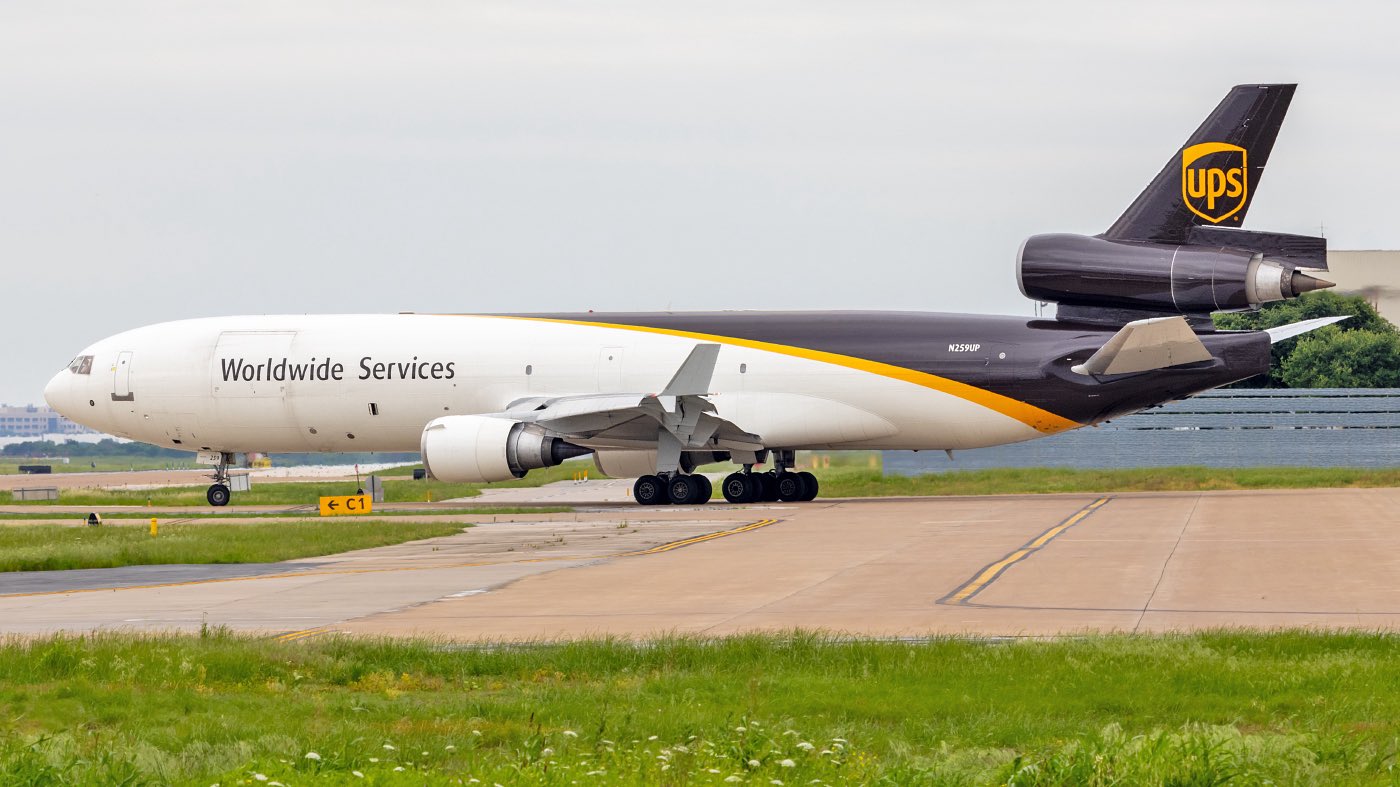
A preliminary report from the U.S. National Transportation Safety Administration (NTSB), released this week, reveals that Boeing had been aware of a critical structural defect in the MD-11 model for nearly 15 years. The document investigates the causes of the crash of UPS Flight 2976 in November in Louisville (USA), caused by the separation of one of the wing engines during takeoff.
According to the agency, Boeing — which took over support for the model after buying McDonnell Douglas — issued a service bulletin in February 2011 alerting operators to failures in the “spherical bearing” — the part responsible for attaching the engine to the wing pylon. At the time, the problem had already been recorded on four occasions.
However, the manufacturer concluded that the rupture of the component “would not result in a condition of risk to flight safety”. Based on this assessment, Boeing did not make it mandatory to replace the part with a safer version, already available on the market.
SEE ALSO:
The recommendation was limited to the inclusion of the item in routine visual inspections, carried out at long intervals, of approximately five years (60 months). The NTSB report points out that this visual inspection may have been insufficient to detect the material fatigue that led to the collapse of the structure in the November accident.
The disaster resulted in the death of the three crew members and twelve people on the ground. The seriousness of the revelations led Boeing to recommend, belatedly, the suspension of operations of the model. The move was followed by UPS and ratified by the Federal Aviation Administration (FAA), which banned flights from the freighter until rigorous inspections are completed.
The MD-11 that crashed was 34 years old. Before the tragedy, UPS planned to operate its fleet until 2032. The episode intensified scrutiny on Boeing, which faces recurring credibility crises. In addition, it also reignites the global debate about the risks of extending the useful life of old aircraft in a scenario of shortage of new freighters.



